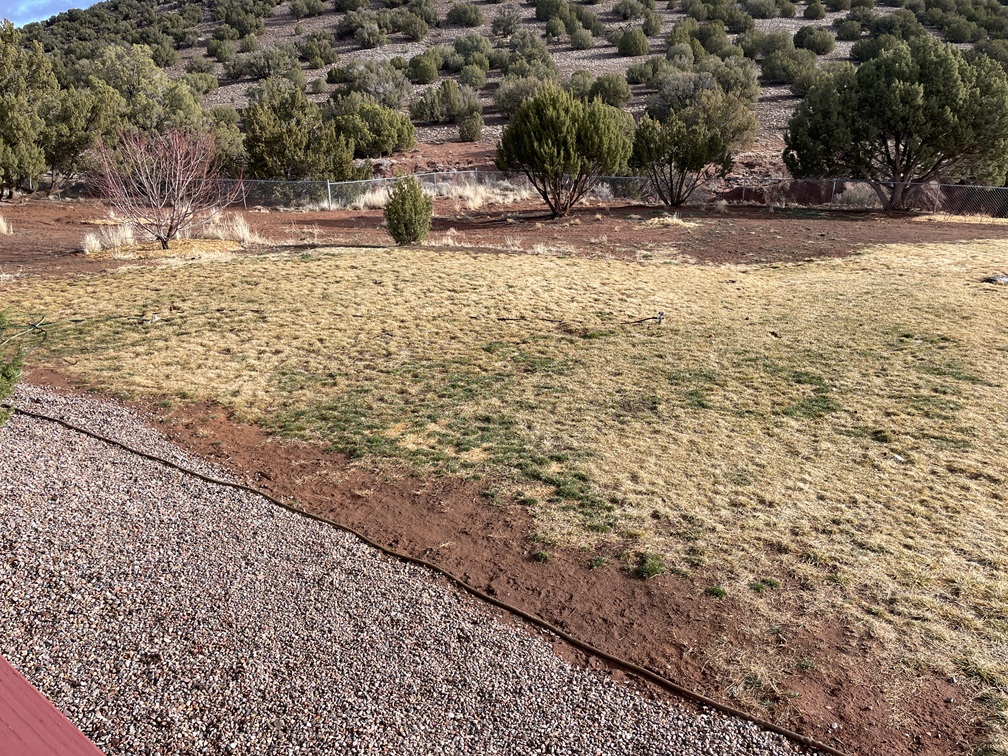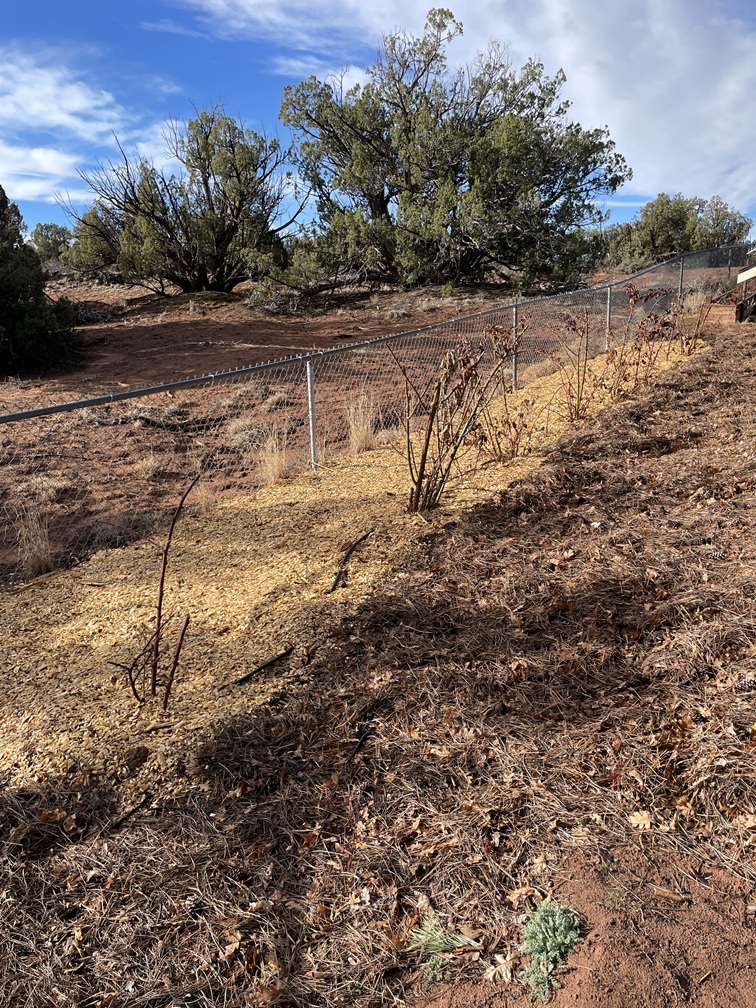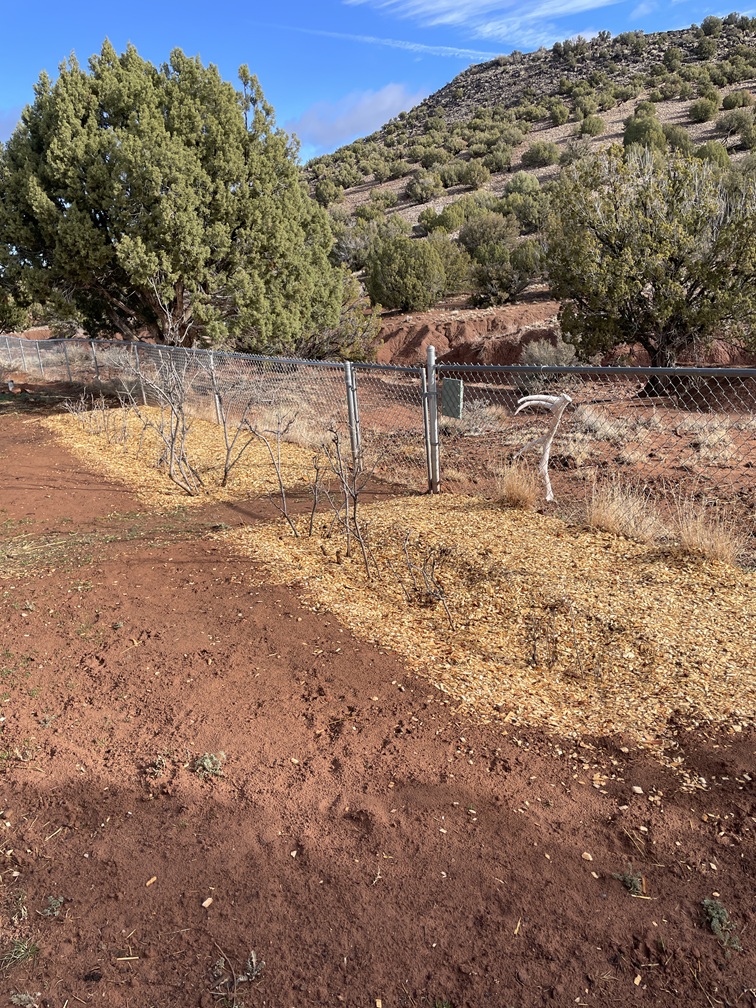
Strawberry Update…Success !

Okay, enough of the current events and political opinion stuff…how about some glamstead garden info?

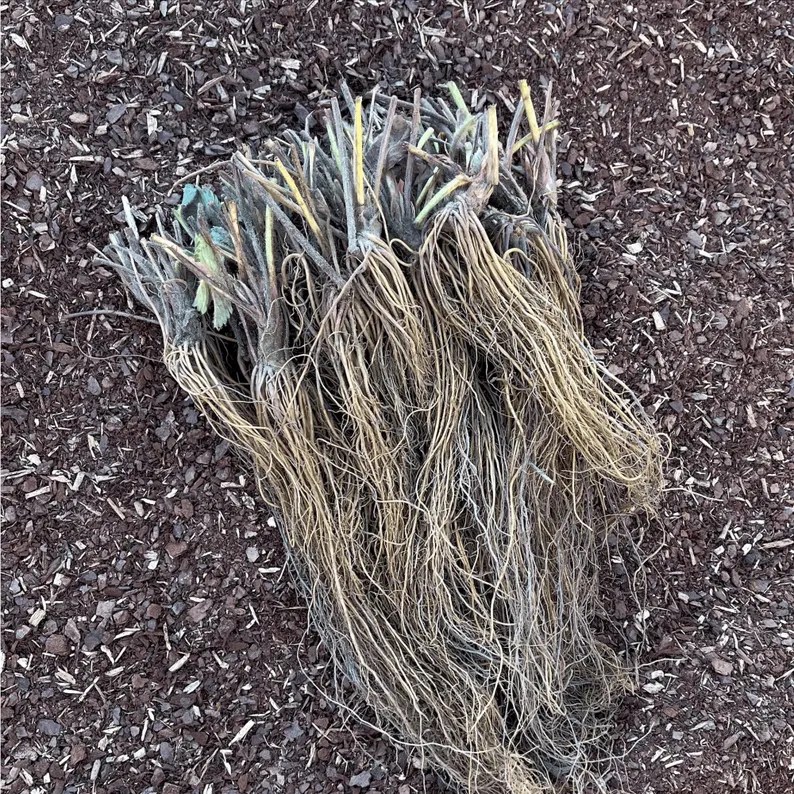
Several years ago I purchased some strawberry plants from a local big box DIY store, they were Sequoia variety. I didn’t know what variety to buy because I didn’t do my research and I figured that if the local store nursery was selling them then they must be the right kind for here. Ah, no.

Since 2021 I’ve been working on a strawberry patch. Well, in raised bed boxes actually. I put together amazing organic rich black soil. Winterized them religiously, watered them appropriately, fed them organic fertilizer, weeded them without fail…I babied these plants like precious children. Yes, I made some mistakes along the way. For instance in 2023 I fertilized them at the wrong time and lost every single green new berry and blossom. Another year I didn’t protect them from a hail storm and that beat em up pretty badly. Last year I learned about our sunshine and UV problems for strawberry plants…got the shade cloth up too late.

Now don’t get me wrong…the Sequoia plants did amazing…but only the plants. While that plants were rich lush green, grew like crazy, and sent out huge numbers of daughter plants…the berries were mostly non-existent, the size of marbles when we did get a few, and most of the time rather bland tasting. Yeah, not really worth the water we were putting on them…certainly not worth the work we were putting into them.

In June I realized once again we were not going to get a crop of berries. Then I did some real research; something I maybe, just maybe, should have done 4 years ago.

Come to find out…I have the wrong variety of strawberry plants…a REALLY wrong variety. The variety I had was for an area like the coast of California in temperate weather. And let me tell you…we ain’t nothing like the coast of California! Turns out I needed to plant either Eversweet or Albion, both are everbearing. And both varieties do well in our kind of climate.

On June 30th I ordered 2 plants of Eversweet strawberries and 2 plants of Albion strawberries through Etsy from a company called “GrowYourOwnFoodShop”. Oddly enough from Modesto, California. Picked up the plants the mailbox on July 5th, put them in the ground on July 6th.

So let’s talk about the ground/soil first. Pre&Post order I talked with the vendor explaining my situation and my choice of plants. They confirmed the choices were right for our area. Then we talked about soil quality. Ah, yeah…remember I mentioned rich in organic matter black soil? Well…WRONG! Strawberries really prefer sandy soil. Then I remembered a place in Florida called Plant City; they have a huge strawberry festival every year. Duh…very sandy soil…very little organic matter…major strawberry production area of the country. Before the plants arrived I bought a bunch of Quickcrete sand from Lowes and mixed it into the raised beds. So much so to the point I felt it was too sandy…but it still had a respectable amount of organic matter (i.e. compost & peat moss). And I did add a decent amount of organic fertilizer.

Why organic fertilizer? Look, I am not an “organic” fanatic, but there are some advantages to organic fertilizer. Mainly I wanted the nutrition in the ground for the plants to use over time. The organic fertilizer I use is well-balanced and breaks down over about 3 – 6 months…and it won’t burn the plant roots. And for the record…after 2 weeks in the ground I used a combination of liquid fertilizers for the plants to use immediately. The two are derived from fish meal; one is higher in nitrogen (5-1-1), the higher in phosphorus (0-10-10).

The plants arrived packaged extremely well, soil still moist, healthy looking. Included was the packing list and an instruction sheet about planting, including pictures of how deep to plant em. And that is important…get the crown at the right depth to begin with and they do much better.

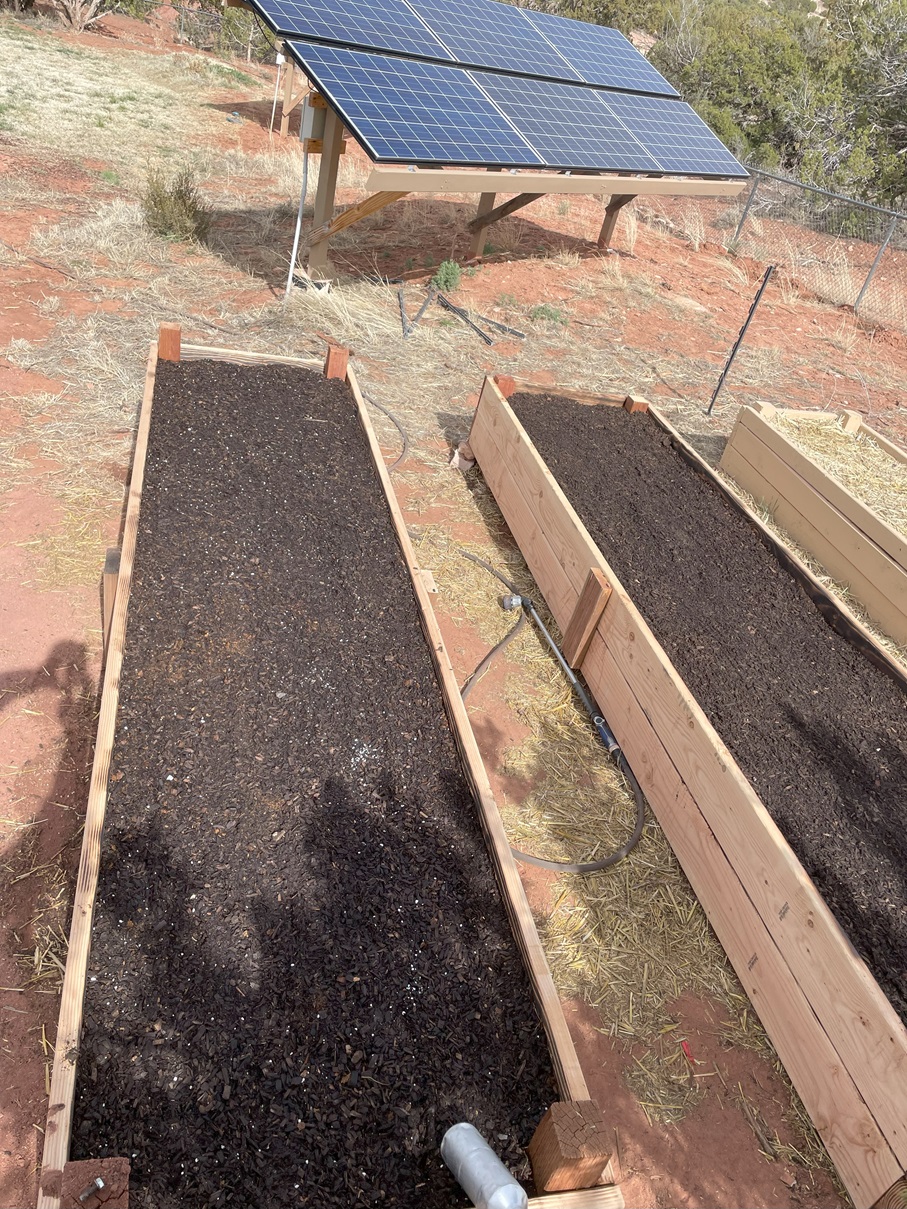
I don’t know if you caught it…I pulled out all the existing plants from two 3’x12’ beds…ouch! That hurt pulling all those plants out that I had spent so much time and effort caring for and nurturing. But it had to be done. Yes, I recycled the plant matter into compost for another project.

I planted the new berries according to instructions, watered them in, had a little prayer, and tried to be patient. Two weeks later I used the liquid fertilizer mentioned about. Kept them watered. By 3 weeks they were looking very healthy, well-established, and I was pleased to say the least.

About mid-August the first berries started to appear. Yeah, I should have pinched them off to keep energy going to the plants but I just couldn’t do it. By early September we were eating berries. Oh my gosh!!!

The berries were large, juicy, sweet as all get-out, and the best tasting berries I’ve ever had. Success!!!

On September 10th I ordered 4 more Eversweet plants to replace the old Sequoia plants still in the third bed. But…low and behold this company was amazing! I had given them a great review online, and expressed my appreciation in our messaging. Since I was a repeat customer, gave them a good review, and I guessed they liked me…they sent me 8 plants vs the 4 I ordered. Whoa, I was surprised and pleased.

So now I have two beds of Eversweet going great guns and one bed of Albion doing fantastic and I have already staked out a daughter plant from a runner. I will add 3 – 4 Albion plants to fill up that bed and I will be ready to enjoy the best strawberries I’ve ever had. And by the end of the season I will have 3 beds completely full of happy & healthy strawberry plants, specifically designed for this area, and they will last for years to come.

Does it get any better than this???? Great plants, great berries, and a great company to deal with!! I will be buying more garden plants this spring from them.

Here’s the company link on Etsy…I highly recommend them!!! < click here to go to their website on Etsy >

Note: I haven’t been paid or compensated in any way to endorse this company. They are just some great folks with great plants doing a great job for my strawberry patch.


2009 - 2022 Copyright © AHTrimble.com ~ All rights reserved
No reproduction or other use of this content 
without expressed written permission from AHTrimble.com
See Content Use Policy for more information.

How to make dirt…Part #4

This is the fourth in the making dirt series. If you haven’t already read Parts #1, #2 & #3 you might want to:

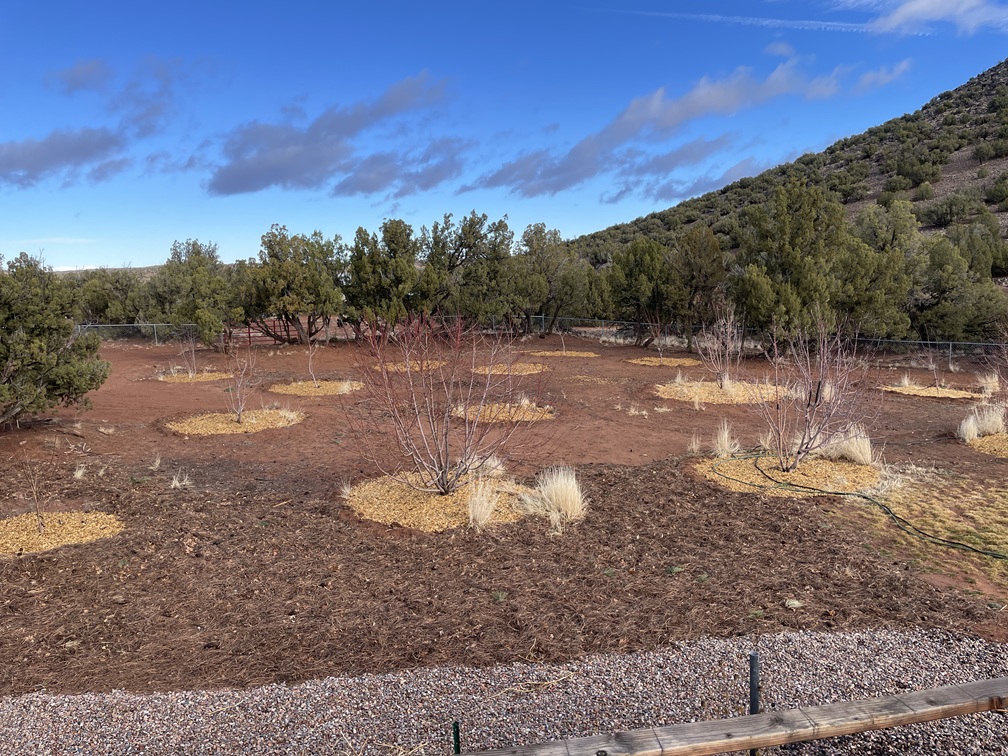
We are moving on from grass/yard soil to the soil I make for our woodlands…a pine meadow.


Woodland Soil –

This may sound like an odd category of soil to build, but here in my area, on my property there is a need for this category. Let me explain…the patch of soil I am referring to is roughly 1/4 – 1/3 of an acre. The soil is fine sand soil that is compacted tight, void of organic matter, dry as a bone and it sits on sandstone. There is some clay involved as well. The soil is basically baked dry. Yeah, not too conducive to growing anything other than sage brush along with the occasional cactus. Okay, truth-be-told, there are a few tufts of native grass and plenty of juniper trees.

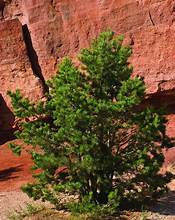
As mentioned earlier there are some old pinyon pine trees on the property hanging on for dear life…barely. So this general
Piñon (pinyon) Pine Tree

area can support pine trees…with some luck…and supplemental watering. But here again, all those pine trees from days-gone-by had good soil to get started in and they were able to establish a great root system. Remember some of those old pine trees were 16 – 18” in diameter according to the trunks I’ve been able to find on our property. So I am right back to the need of making good soil. But, it is a little different with ‘woodland soil’. Why? Coz I need some grass to protect the ground in between the trees…but I don’t need another yard to mow.

The healthy natural environment for woodlands is…trees, maybe 2 – 15 per acre (depending on the types of trees and specific ecosystem), with plenty of grass in between. The grass captures more of the rain preventing it from just running off and the grass roots keep the soil broken up to allow that rain to wick deep(er) into the soil. The grass also keeps the soil cooler in this higher altitude intense sun…basically keeps it from baking. The grass over time also add humus (organic matter) to the soil. In the wild the grass also burns when low-intensity natural fire takes place. Once the fire is out it leaves behind nutrients that are introduced into the soil increasing the soil’s fertility. And let’s not forget that the fire removes unwanted invasive plants and destroys unwanted new trees from sprouting up. That being said…hopefully we won’t have any fire on our property.

So my challenge is making soil for both grass and trees. For the most part I build a widespread lower quality “Grass Soil” and then build a lower quality “Orchard Soil” for the immediate area where I plant my trees. Why lower quality? Nothing complicated…the pine trees and Buffalo Grass don’t need the better quality soil as does orchard tress and yard grass.

Let me touch briefly on the types of pine trees I am planting:

  • Afghan Pine Trees – fast growing (1 – 2’ or more per year), very drought and heat tolerant. They tend to struggle and/or die at -5 degrees. Gorgeous tree! Grows to 30 – 60’ in height.
  • Southwest White Pine Trees – moderate growth rate (1’ per year), drought tolerant, adapted to SW heat & sun. Withstands sub-zero temps. Very pretty tree! Grows to 30 – 60’ in height.
  • Scotch Pine Trees – moderate rate of growth (1’ per year), drought tolerant once it is established. Very hardy in weather (native to Scotland). Very pretty tree! Grows to 20 – 100’ in height.
  • Piñon (Pinyon) Pine Trees – very slow rate of growth (<=2” per year +/-), very low water need (10 – 12” per year), perfectly adapted to the desert and our altitude (<7500’). Pretty tree if pruned. Grows to <=20’ when mature. Can live 600 years even in the most harsh conditions. Now comes the really good part…this pine tree produces piñón pine nuts. They can be added to meat, fish, salads, and vegetable dishes or baked into bread. When dried for eating, pine nuts are 2% water, 13% carbohydrates, 14% protein, and 68% fat (almost all unsaturated fat). Rich source (20% or more of the Daily Value, DV) of numerous micro-nutrients, particularly manganese (419% DV), phosphorus (82% DV), magnesium (71% DV), zinc (67% DV), copper (65% DV), vitamin E (62% DV), vitamin K (51% DV), and the B vitamins, thiamine and niacin (29–35% DV).

I purchased five 12” Afghan sapling trees to give the area an immediate pine tree presence that is beautiful and will show good progress in the short-term. However, should we get an abnormal weather system that pushes the temp below -5 for a couple of days we could lose those 5 trees. I planted them last January, they are now 15 – 30” tall. Yeah, the shortest one got eaten down by rabbits.

I purchased a combination of 1 & 2-year old Southwest White pine saplings because they were a fraction of the price of the Afghans. I planted them late in the summer so they are still just getting established. And yes, the jack rabbits got to some of those trees as well.

I purchased a couple 3-year old Scotch pine saplings to give some moderate height between the SW pines and the Afghans…and they were reasonably priced for the height and quality. And once again…the jack rabbits got to one of the trees and trimmed it for a late night snack.

I transplanted several 12” Pinyon pines from other areas of our property. I wanted to get them into better soil because they were growing in basically sandstone. They are my long term investment in a hardy tree that can provide a source of food down the line…maybe to my great-great-great-great grand kids 🙂

I also found a 2’ tall Pinyon already in place and simply added a growth ring to it, improved the soil immediately around the trunk and added wood chips. I removed an oak brush that was growing right next to it. I also found a 4’ Pinyon already in place and did the same. While it didn’t have an encroaching oak brush, it does have a juniper growing around about 2/3 of it. This winter I will will start cutting back the juniper…maybe about ½ of it. And then cut back the other half of the juniper next winter.

So what exactly is lower quality orchard soil? Well, for this situation it is very similar to orchard soil…but I am officially calling it “pine tree soil”. It is a combination of:
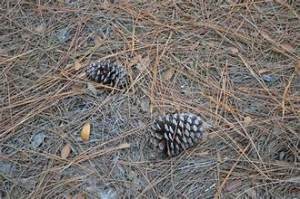
Pine Needle Straw and Pine Cones

  • 50% dirty compost
  • 20 – 30% native soil
  • 20 – 30% pine needle straw and pine cones

Why “pine needle straw and pine cones”? I learned the hard way that pine tree saplings (up to 3 years old) like a starter soil that the roots can grab onto and also drains really well. Young pine tree roots like a little room to grow, grab onto rough organic matter, and get enough water. But, the soil must drain well so the roots don’t stay wet and/or the soil doesn’t stay soggy. Enough water must stick around long enough to get absorbed by those new roots but that same soil needs to drain well. Pine needle straw and pine cones meet that challenge, and over time, they break down into a great soil that the trees love…mature trees, not saplings.

Now, in this particular case I have to add plenty of water to the soil prior to planting the tree. This will basically be the last time, only time, that I can get a really deep and widespread watering done. Once the hole is dug I water it repeatedly for at least 2 days. The scuff up the bottom of the hole, add the appropriate amount of fertilizer and mix it around. Then fill the hole about ¼ full to allow the fertilizer to leach into the ground around the hole.

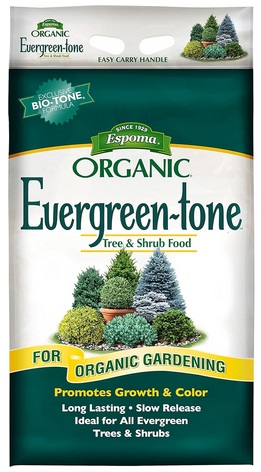
For fertilizer I use Espoma Organic Evergreen-Tone 4-3-4 Natural & Organic Fertilizer and Plant Food for Evergreen Trees & Shrubs or Osmocote Smart-Release Plant Food Plus (Outdoor & Indoor).

I don’t mix the soil mixture ahead of time, I mix it as I put the ingredients into the hole. I also am generous with water as I fill the hole with the soil mixture. Depending on the size of the tree I am planting I may or may not incorporate a watering ring. I always add 2 – 3” of wood chips on top of the soil after planting the tree. And after adding the chips I once again water it in until the chips float.
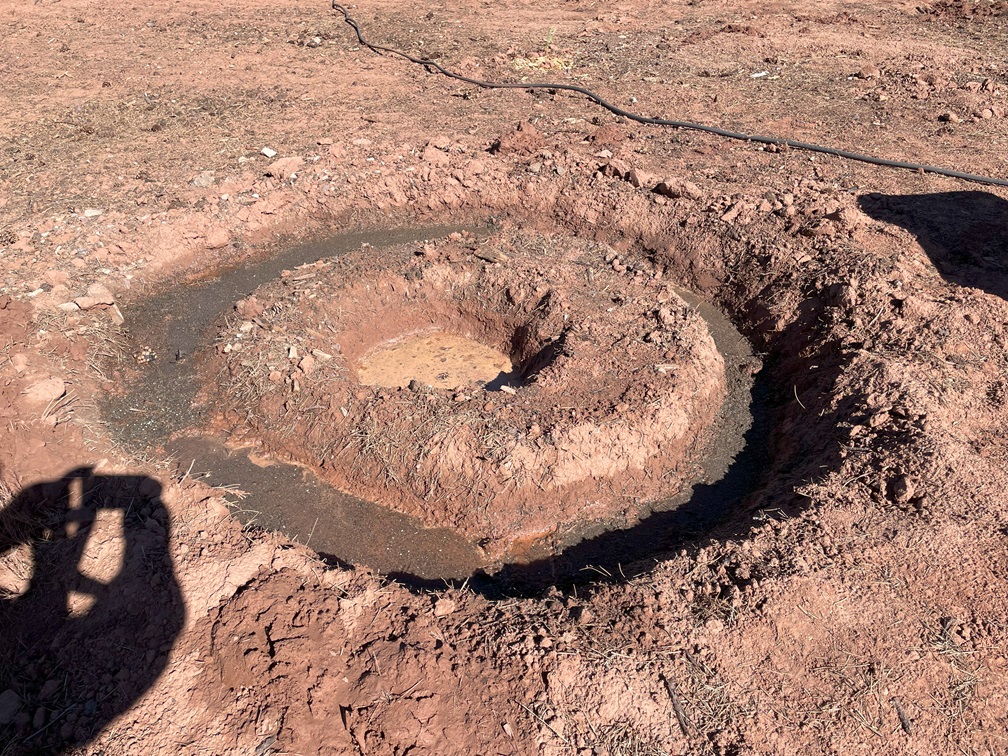
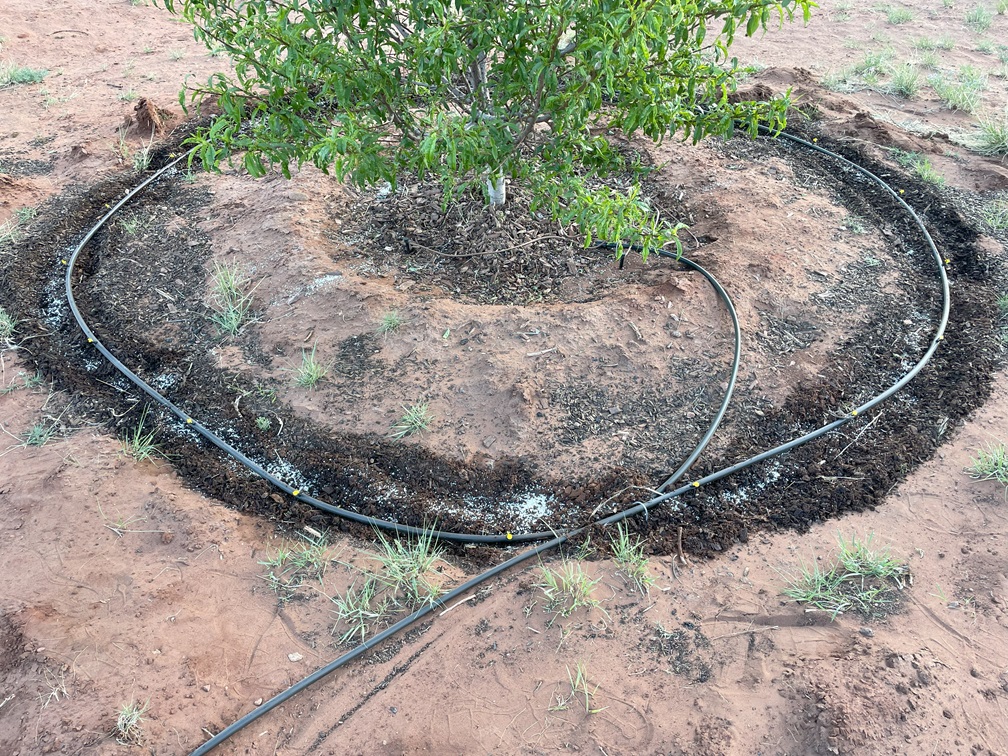
The center hole (planting hole) still has water in it that I want to leach into the soil, this is Day #2. I’ve also been watering the drip line ring. The drip line ring has rough compost in it. You can’t see it but the hole is more than 2′ deep.
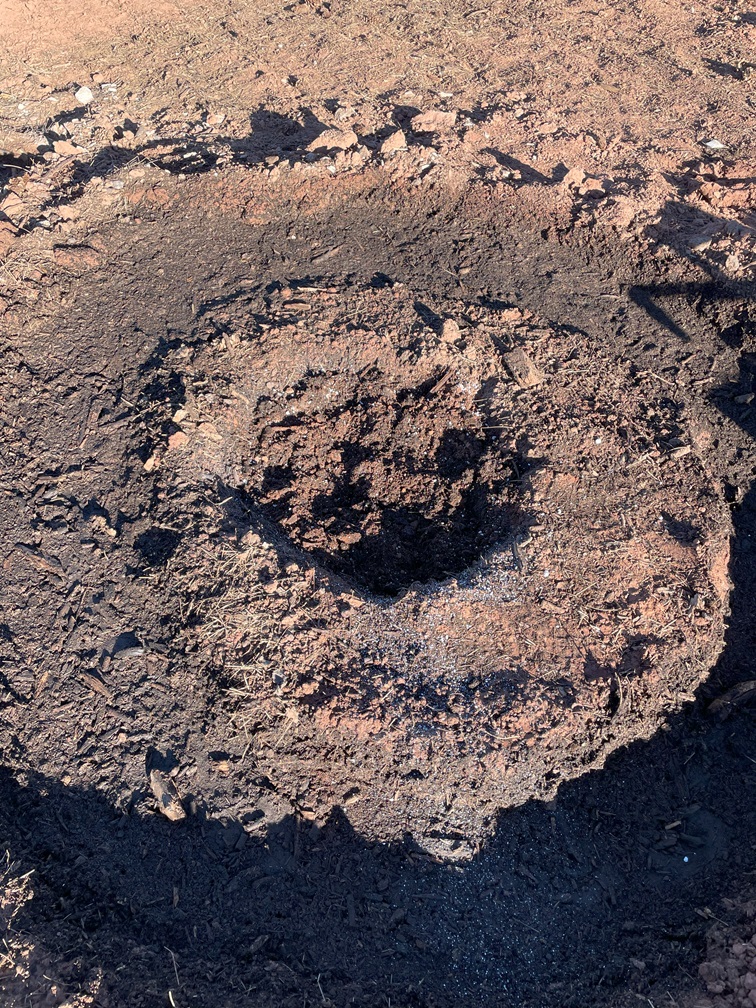
Here is what it all looks like just prior to planting the pine tree. It’s all been very well watered in and the soil was mixed as I went. In case you were wondering…yes, I threw in some perlite with the soil as well. Not much, just wanted to try it. I placed fertilizer in the planting hole and in the drip ring. The nutrients, along with the water, will leach into the soil to motivate and stimulate root growth.

Here we are with the tree planted. Notice that the hole is about 3 times the drip line of the pine tree. And there is standing water in the planting hole and the drip ring. Again, I want to get as much moisture in the soil as possible. Yup, gives the tree’s roots plenty of motivation to spread out to suck up that water and the nutrients from the fertilizer.

Now here is where it gets interesting…the woodlands grass soil. Remember this is not yard grass soil…this is wildland grass. A note at this point…I don’t broadcast spread grass seed here in the pine meadow. It would take WAY too much water, too much fertilizer, too much attention, and cost way to much for seed. That is why I am using Buffalo Grass.

So, that means there is two different kinds of soil I am building; 1) the immediate plug hole where the Buffalo Grass plug is planted, 2) all of the rest of the area that isn’t a plug hole or a pine tree hole.

The plug hole soil is basically raised bed soil…maybe a touch less quality. The rest of the soil area, the wide open spaces, has to be improved…but within reason and budget. So here is how I did it:

  • Step #1 – I used the tractor with the rippers, ripping the entire area down 12”.
  • Step #2 – I spread a generous amount of pine needle straw and pine cones over the entire area.
  • Step #3 – I used the tractor and disc to work that material into the soil. It also helped break up some of the clods of hard soil left over from ripping the ground originally.
  • Step #4 – I spread a decent amount of rough compost over the entire area.
  • Step #5 – I used the tractor and disc to work that material into the soil. It also helped work the soil down to a pretty decent consistency. Not perfect but pretty dang nice.

The soil in this area now was pretty dang decent. I did a trial and watered it generously over a wide area. The water was absorbed really well to a very respectable depth.

As the Buffalo Grass is a stolon grass. These are grasses whose stems produce nodes from which new plants form and set down roots. In essence, the grass plant sends out runners across the turf, and when these runners come into contact with soil, roots will grow and a new plant will develop and fill in that area. That being the case the entire area’s soil has to be good enough to sustain new Buffalo Grass roots. Also, Buffalo Grass is a very hardy, drought tolerant, cold tolerant, heat tolerant grass that is suitable for this area. Theoretically, the grass can survive, even thrive, with just normal annual rain fall for the area.
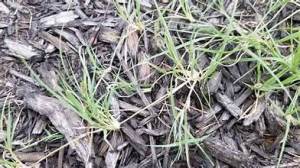
By planting Buffalo Grass plugs in high-quality starter holes it give the main plant a really healthy start. Then as the runners (stolons) spread they have a really healthy plant to draw nutrients and water from until the new roots can get properly started and a new plant grows. I planted the plugs about 10 – 15′ apart. I would have done them closer had I enough plugs, but I didn’t. However, this spring, once the weather turns decent, I will plant additional plugs that I have already started…plus new starts that I will begin in January.
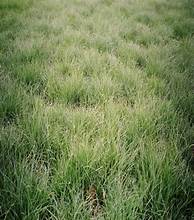
Why Buffalo Grass? If you remember back when I was writing about the regular lawn type grass in the yard, the roots penetrate 2 – 12” for most common yard grasses. Buffalo Grass on the other hand puts down 9 – 15’ of roots. Why? Because that grass has evolved to be one of the most drought tolerant grasses in North America. FWIW…the reason it is called Buffalo Grass is due to the fact that it was found throughout the western United States…even before it was the USA. It supported the huge numbers of buffalo (millions) found in North America. That grass could survive, even thrive, in virtually all conditions, including the heavy grazing of buffalo.

What do the deep roots do? Obviously the first thing is water. By putting down really deep roots it can reach moisture far below the surface. However, on our property there just isn’t any water there…at this point. So why choose that kind of grass if there isn’t a water component to consider?

As those roots make their way into the depths of our soil they add organic matter but more importantly, they break up the compaction of the soil. The benefit to that? When it does rain, or I irrigate, that water has a path to migrate into the soil much deeper than it would have without the roots to wick it.

That brings me all the back to my building of the dirt/soil for the Buffalo Grass. I need to add organic matter and nutrients to the top 12” or so of the soil. Additionally, I need to make sure that soil is loose enough to absorb any water that falls on it whether it be rain or irrigation. And the soil has to be receptive enough to allow the grass runners to be able to root in it.

The benefits to the surface covered in Buffalo Grass are numerous:

  • The soil won’t bake in the sun since it has a covering of grass to shield the surface from the sun’s direct rays.
  • The soil becomes less compacted since it isn’t baked and the roots allows improved water penetration.
  • When it rains the grass prevents immediate runoff that baked soil would guarantee. Thus allowing the water to penetrate the soil vs ending up in the dry wash a mile away.
  • It will also provide high-quality feed to the local deer…and if I am lucky, maybe an occasional elk as well.
  • And finally it reestablishes an environment, along with the pine trees, that is far more conducive to, and aesthetically pleasing to, our family…along with improving the value of the property.

After Step #5 mentioned above, I then did the following:

  • Step #6 – So I planted all the grass plugs and kept them well-watered for more than a month.
  • Step #7 – Once a week I would do a deep irrigation over the entire area.
  • Step #8 – Next came a thorough rototilling down to about 10″ or so over the entire area; careful not to till under the grass plugs.
  • Step #9 – This week I will spread a mulch material over the area again and till it in to the top couple of inches.

The purpose of the rototilling is to keep the soil from getting hard and packed. It allows the water and air to penetrate the surface. The last application of mulch and tilling to get as much organic matter into the soil as possible and realistic. That will help ensure that any moisture (rain or irrigation) continues to get absorbed into the soil. And that will help the new grass plants to get established.

Come this spring I plan on putting in enough plugs to have them spaced no more than 5′ apart, hopefully less. Prior to doing that I will apply a generous amount of Sta-Green Slow Release 16-0-10 Natural All-purpose Fertilizer. About a month later I will apply a standard application of a 10-10-10 fertilizer.

Depending on how the soil looks, I might do another tilling session to keep the surface nice and agreeable to both moisture and new grass starts. Once the grass runners are out I won’t do any more tilling.

One thing I did that I wasn’t expecting to was flowers. Yeah, you heard that right. You know those mini-sunflowers you see on the side of highways out west? They grow in abundance with only what rain falls and runs off the roadway. Well, we had one come up in our yard where it got a single drop of water other than the regular rainfall. I harvested a whole bunch…and I mean a bunch of those seeds. I planted them throughout the pine meadow early in the fall and watered them in really well. We’ll see what happens.
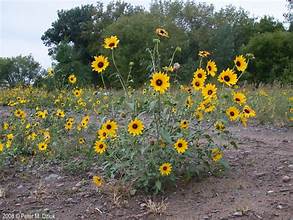
Two reasons for the flower planting; 1) my wife loves them, 2) if them come up and bloom they will add a bright splash of color to the pine meadow. Bonus…if they come up, i can mow them down once they die out and it will make great mulch/humus for the surface. It’s wait and see now.


Articles in this Series –


 2009 - 2024 Copyright © AHTrimble.com ~ All rights reserved
No reproduction or other use of this content 
without expressed written permission from AHTrimble.com
No legal, economic, or financial advice is given, no expertise to be assumed.
See Content Use Policy for more information.

How to make dirt…Part #3

This is the third in the making dirt series. If you haven’t already read Parts #1 & #2 you might want to:

We are moving on from fruit tree soil to soil I make for our yard.


Grass Soil –

This yet another challenge for us here…being able to grow grass. Remember our soil is baked dry, lacking water, lacking nutrients, and lacking the ability for water to penetrate/wick below the surface. Wind and soil erosion have removed most of the top soil and vegetative cover. The lack of water and the baking effect have also effectively killed any life in the soil…and most rain that does fall simply runs off into dry washes that become raging streams or rivers when heavy rains hit. Yeah, not a great situation.

This is a picture of the back yard before I started working on it to replant.

First thing we had to do was figure out what kind of grass(es) could grow here…and there are not many. My first attempt a couple of years ago was a ‘dry pasture’ grass…fail! Then I tried a mixer of common lawn grass…fail! The final solution depended on the mission/usage.

For our yard I went with a local nursery’s own mix of yard/lawn grasses specifically identified for this area. And along with identifying the proper kinds I had to yield to watering as needed. But that was just the start. Along with regular watering I also had to accept that I would have to amend the soil where the grass would be planted, amend it a lot. But I wasn’t done yet. I also had to accept that I would be caring for the grass with fertilizers, nutrients, and other vital healthy soil components on an on-going basis. Building soil for my grass yard was going to be a major project…but it was worth it to have a decent yard vs blowing dirt or sticky mud.

Here was my dirt building process:

  • Step #1 – Using my neighbor’s tractor to rip the existing soil with 12” deep rippers.
  • Step #2 – Using my tractor with a disc to break up the clumps of soil and to break the soil down a bit.
  • Step #3 – Spread native soil on low areas to even out the ground.
  • Step #4 – Using my tractor with a disc to mix the soil and do some leveling.
  • Step #5 – Using my ATV with a drag harrow I leveled the area to smooth it out.
  • Step #6 – Spread 8 yards of screened compost over roughly an 8,000sq’ (+/-) area; About ¼” of compost.
  • Step #7 – Using my tractor with a disc to mix the soil and do some more leveling.
  • Step #8 – Using my ATV with a drag harrow I leveled the area to smooth it out and turn it into a seedbed.

View of grass in the back yard before starting work.

This is what the dirt looked like after I tore it up but before any amendments.

This is what the dirt looked like after adding the amendments.

right click to enlarge

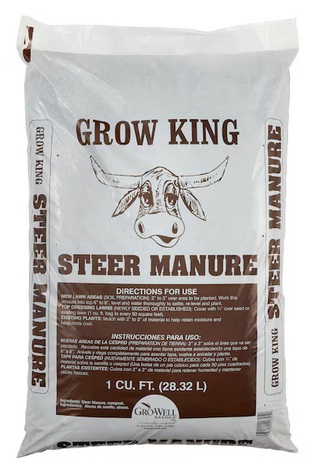
Once the amendment addition was complete and I leveled it, I put down Sta-Green Slow Release 16-0-10 Natural All-purpose Fertilizer. Then the grass seed went on. Finally, I put down a very light covering of a mix of peat moss and Grow King Steer Manure. Yeah…then plenty of water 3 times a day for a month, then watered 2 times a day till October.

This what the back yard looked like after all the work…just waiting for the grass to sprout.

Was it successful? Yeah, kinda, mostly, not quite completely. Lessons learned:

  1. I should have at least tripled the compost or used pine needle straw as my first load, then 2 loads of compost. There simply wasn’t enough organic matter the way I did it. But, it did work…it just could have been done way better.
  2. Some of the native soil I brought in to do leveling contained too much clay. I thought I had all sand but I didn’t see that I had tapped into a clay seam. This has caused two areas of the yard to hold water longer than the rest resulting in poor drainage. The areas are prone to turning yellow as a result. I will fix that this winter.
  3. I should have applied a slow-release 10-10-10 fertilizer after Step #1.
  4. I should have applied water after Steps #1, #2, & #5.
  5. Instead of using Sta-Green Fertilizer plus Soil Conditioner after planting the grass I should have applied a ½ application after Step #7. Then a full application after planting.

Lessons Learned Narrative: The soil was lacking organic matter at all levels, I simply didn’t add enough compost. LL #1 would have solved that. When I had completed the soil building/preparation there simply wasn’t enough water or nutrients in the deeper soil. LL #’s 3 & 4 would have solved that. Adding the Sta-Green Fertilizer plus Soil Conditioner to the upper layer would have made a far superior seed bed for the grass seed. Bottom line…I could of, should of, done a much better job of preparing the soil. In my defense…I was somewhat limited on my budget and had to conserve funds. And I had never built a grass soil in these conditions before.

Here is a final thought on building soil for grass…roots average depth for some popular grasses:

  • Rye grass – 5” (+/-)
  • Bermuda grass – 6” (+/- for 80% of the roots)
  • Zoysia grass – 2-6”
  • St. Augustine grass – 6-12”
  • Kentucky bluegrass – 6-12”

As you can see the top 12” of soil is vital for most grass to do well. I all but (mostly) ignored the lower 11” of the soil when it came to organic matter, nutrients, and water. Had I put more of all three in the full 12″ as I went, the soil would have been much higher in quality for the grass to thrive. As it was I had to apply double the amount of fertilizer/nutrients to the surface throughout the growing season along with watering twice a day.

Note #1: For the soil in our yard to do well the roots have to go deep. The custom grass seed mix we bought has a variety of seed, some of which will put down deeper roots. But, most the grass will be the more shallow root types which means plenty of watering…and that is OK. We have our own well so there won’t be a large monthly water bill. Over time, probably beyond my lifetime, the roots will find their way deep and that will significantly improve the quality of the soil.

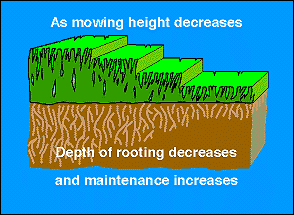
Note #2: Once I started mowing the grass I never regularly mowed it shorter than 2” and mowed only once per week. And I caught the cuttings in a grass catcher bag, not mulching it as thatch. Leaving it a little taller at 2” also allows the roots to grow deeper. In retrospect I could have gone to mowing every 10 days to 2 weeks and allowing the grass to grow taller. That could have also assisted in root growth. I did wait initially until the grass was about 3” before cutting for the first time. Yes, taller grass means deeper roots.

Note #3: After the grass was well-established I mowed the grass down to

right click to enlarge

1-1/2”, aerated the soil, applied a full application of Sta-Green Fertilizer plus Soil Conditioner, along with some peat moss, to the lawn, and watered it in well. Aerating the yard allowed oxygen, water, and nutrients to get deeper into the soil…and that drastically helps roots to grow stronger and deeper. Going forward I will probably try and aerate 2 – 3 times a year if needed.

Note #4: Sta-Green Fertilizer plus Soil Conditioner…This product is a 16-0-10 natural all-purpose slow-release fertilizer. In contains blood meal, bone meal, and feather meal and sea kelp, humic acid, potash, sulfur urea, calcium, gypsum, along with other nutrients. This product goes well beyond simple fertilizer, it contains ingredients that actually improve the condition of the soil.

Note #5: Speaking of gypsum…gypsum is a soft white or gray mineral consisting of hydrated calcium sulfate. It allows for deeper water and roots penetration. The calcium composition in gypsum also aids in roots development and the absorption of other vital nutrients. I should have put a ton of it on the ground after having “ripped it” but before putting the disc to it. It would have made the soil far, far more conducive to a growing deeper roots and encouraging water penetration. Live and learn.

While I may not have done everything perfectly, I did a lot of the right things. Besides…my wife loves the lush green yard and that is really all that matters 😉

Here is a short video of the back yard the first week of October. I kinda like it 🙂


Articles in this Series –
Related Articles –


 2009 - 2024 Copyright © AHTrimble.com ~ All rights reserved
No reproduction or other use of this content 
without expressed written permission from AHTrimble.com
No legal, economic, or financial advice is given, no expertise to be assumed.
See Content Use Policy for more information.

How to make dirt…Part #2

This is the second in the making dirt series. If you haven’t already read Part #1 you might want to <click here to read Part #1>

We are moving on from raised bed soil to soil I make for our fruit trees.


Orchard Soil –

Soil for fruit trees is extremely important…maybe even more important than for vegetable raised beds. Why?

  1. You only get one shot at the proper soil mix for fruit trees. Once that tree is planted it is over…you got what you got.
  2. You have to have plenty of moisture for the fruit tree to flourish so the soil has to have the ability retain sufficient moisture for the right length of time for the tree to absorb enough of the water.
  3. You can’t have the soil retain so much water that it is soggy and the tree’s roots stay abnormally wet. So the soil has to be able to drain properly.
  4. You have to be able to spread out the water and nutrients far enough away from the tree trunk to encourage roots to spread out…and deepen.

In my particular area…at least on my property…I’ve already mentioned that I have a fine sand soil that is compacted tight, void of organic matter, and it sits on sandstone. There is some clay involved as well but that it normally 1’ – 2’ below the surface. Yeah, great conditions, eh? So the size of the hole that contains the ‘built soil’ is actually just as important as the soil itself. There has to be enough room for support roots, water retention, and drainage…not to mention available nutrients.

Normally I see fruit tree planting instructions talk about the hole should be twice the size of the root ball. Ah, no. Here, for me, I use a completely different guideline. I go for a hole that is a minimum of three times the drip line of the new tree, or a hole is 3’ across at a minimum, and a minimum of 3’ deep…my “3/3 rule”.


  • Note #1: Notice the inner circle…that’s the original 3′ hole for the new bare root peach tree.
  • Note #2: Notice the new drip line circle. It extends past the drip line by 18″ (+/-).

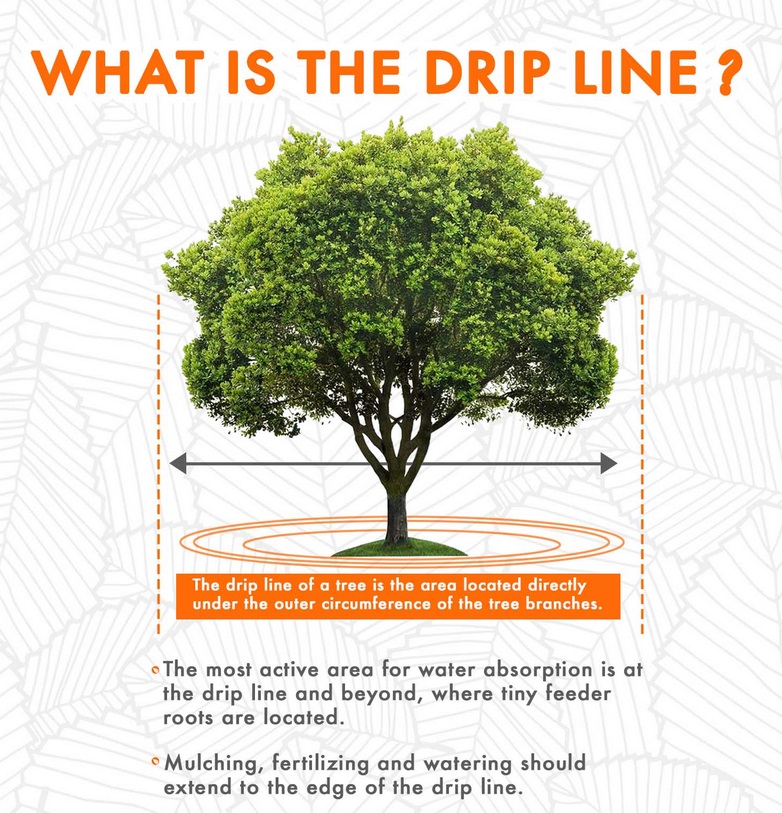
The tree’s “drip line” is the area located directly under the outer circumference of the tree’s branches. So, if the new tree’s

right click to enlarge

branches spread out 6” from the trunk then the drip line is 1’ and the hole will be at least 3’ across. I do this to encourage the support roots to spread out rapidly becoming feeder roots. How/why do those roots spread out? They are seeking the added water and nutrients.

There are times when I actually dig a doughnut for new trees if the new tree is large enough…usually 2′ or more of a drip line. I dig the basic planting hole as described above. Then I dig a trench around that hole. A minimum of 1’ outside of the planting hole, usually 3’. The trench is normally 1 spade wide and 1 spade deep…at a minimum. What’s the purpose of the doughnut trench? Encouragement.

In our dirt here there are two main ingredients missing; 1) water, 2) nutrients. Support roots as well as feeder roots will attempt to migrate where there are both of those ingredients. I explain/show more in the pictures below.

Now, what does the orchard soil consist of? It is a combination of:

  • 60 – 70% dirty/unscreened or quality compost
  • 20 – 30% native soil
  • 5% perlite
  • 5% peat moss

I don’t mix it ahead of time, I mix it as I put it in the ground. To ensure that I give the tree the best start possible I thoroughly soak the hole with water. That means before I add the dirt/soil I fill up the hole to ground level at least once (usually 2 – 3 times) and let it leach into the ground. Before I start putting in the soil mix I also dig up the bottom of the hole a bit, place fertilizer at the bottom of the hole, I then put some straight compost on top and then mix it in with my spade. Once that is done I proceed with putting the soil mix in.

What kind of fertilizer?

I add water to the soil mix about every 6” – 12” of added soil and allow it to soak in. This gives the soil a chance to work out all of the air bubbles and it also adds valuable moisture to the soil in the hole to encourage the tree’s roots to grow/migrate to that moisture.

And yes, I add fertilizer as I go to the hole as well, mixing it in as I go. I am not a fanatic about organic fertilizer for fruit trees. I normally use Arizona’s Best Fruit and Nut Tree

right click to enlarge

synthetic fertilizer for the most part. It is a 13-7-3 mix and contains sulfur, iron and zinc for healthier trees. It is a relatively fast release fertilizer, but it does feed over a 3 month period. Now look, of course during the first year the tree’s roots probably can’t reach the synthetic fertilizer that I just placed in the ground at the 3’ depth or below. But that fertilizer doesn’t go to waste.

As an option I did a test run with Osmocote Smart-Release Plant Food Plus Outdoor & Indoor (15-9-12) fertilizer. It was recommended to me by a tree nursery.

right click to enlarge

Difference between Arizona’s Best and Osmocote? Arizona’s Best = $1per pound vs Osmocote = $4.38 per pound. Arizona’s Best is also a fast release fertilizer vs Osmocote which is a slow release. And Osmocote has additional nutrients in it as well. It’s your choice but I have had no issues with Arizona’s Best.

Synthetic N (nitrogen) fertilizers in addition to helping the tree grow, it also increases microbial biomass and microbes that produce enzymes that allow access to energy (chemicals) in the ground. The phosphorus (P), and potassium (K), simply leach into the surrounding soil and become available as needed when the roots reach it. Sulfur, iron and zinc also stabilize in the soil (yes, some leaches away) but eventually will be available to the tree.

As a thought…depending on the fertility of your soil, you might benefit from a combination of both fertilizers. The “fast release” for immediate access of the tree right after planting…then the “slow release” for the next six months. But it will depend entirely on your specific situation.

In another post I will talk about fertilizers and how I use them for my fruit trees. Once again, this post is only about building the soil…for the most part.

Mixing the fertilizer throughout the soil depths ensures that there are nutrients for the tree’s roots to access as the roots expand…and that provides energy for the tree to grow over time.

I don’t want to make this a conversation about fertilizer, organic or synthetic, that will be another post. For this post I just want to add that compost does contain fertilizer, about 1-1-1 or so (probably less than 1-1-1) depending on the ingredients used to make the compost and the length it has been ‘cooking’. Compost also increases the number and variety of beneficial bacteria and fungi in the soil, which helps plants to grow. Compost, in my soil, will also increase the soil’s ability to retain water which reduces the need for irrigation. Lastly, compost improves/reduces the compaction of the soil to allow the support roots to grow/spread rapidly…far more so than native soil.

The perlite in the mix does what perlite does…improves water absorption/retention, releases water slowly, and reduces soil compaction. The peat moss introduces fine organic matter into the mix to encourage fine root hair growth and spread.

I will do a more complete post on how I plant fruit trees, hopefully in the next month or so. This post was just about the soil I build for planting the fruit trees in.


Articles in this Series –
Related Articles –


 2009 - 2024 Copyright © AHTrimble.com ~ All rights reserved
No reproduction or other use of this content 
without expressed written permission from AHTrimble.com
No legal, economic, or financial advice is given, no expertise to be assumed.
See Content Use Policy for more information.

How to make dirt…Part #1

Administrative note: I broke this super, super long article into 5 shorter ones. I didn’t want to bore folks to death or overload Internet servers from folks reading it. The “parts” will be:

  1. Introduction & raised bed soil
  2. Orchard soil – fruit trees
  3. Grass soil – yards
  4. Woodland soil – pine trees for the most part
  5. Extreme dirt build

Okay, maybe this article series should have been titled “How to Make Soil” but I thought the whole “dirt” thing was a little catchier. My bad. The whole point is how to make soil that will grow stuff…stuff like trees, vegetables, grass, etc. Now, if you live in many parts of the country you’ll think I am crazy because you have soil…some of you have nice rich black soil (chernozem). Sweet! Not us…our soil is mostly dead and dry as a bone, nearly hard as a rock, so we have to build our soil for it to be useful.

Why useful?

Two reasons; 1) I am a prepper and want to make sure I can grow food when needed, 2) I am a homestead person (technically, ‘glamstead’) so I want to pass along the info I have found along the way. And yes, that makes my dirt useful…meaning…you might learn what to do or what not to do from my experience.

Most soil is made up of minerals (a.k.a. chemicals), water, air, and organic matter. The percentages of each varies depending on your local conditions. Our soil here is almost all minerals…mostly a fine red sand. For the most part there is no water, air, or organic matter. And to make matters worse…the minerals are packed very, very tightly. And that makes it tough for any water or air to be present. The organics…well, virtually gone over time. Yes, time…the weather & environment have been changing over the last 1,000 – 1,200 years. So no, you can relax, it’s not man-made climate change.

On our property there use to be vast grass pastures along with large towering pine trees, commonly referred to as pine woodlands…with plenty of meadows. However, here the water table dropped starting about 1000 – 1200 years ago due to ever lowering annual rainfall. Then the grass started to dry up and blow away or wash away with erosion. As more and more grass disappeared more and more soil eroded due to not just rain but also due to wind. As the area got drier the weather patterns changed and winds increased dramatically, especially in the spring (April – June).

As the water table continued to drop the large pine trees lost the ability to draw sufficient water to sustain their life. They died out in droves. As they died out, juniper trees moved in…and further decimated the environment since they suck up huge amounts, inordinate amounts, of water.

Here in our area we get about 12” – 14″ of rain per year, most of it (about 50%) in a 30 – 60 day period called the monsoon season. An average juniper stand will absorb virtually all 13” of rain per year and deny grass, shrubs and other trees (such as pine trees) from utilizing any notable amount of the rainfall. And reduced rainfall moisture availability means less grass which means more erosion. The end result is a highly compacted surface and top layer void of humus (organic matter), water, or air. And since it is highly compacted less water can infiltrate the surface…and you get more erosion. An endless destructive cycle.

This all happened over the course of about 1,200 years or so. Yes, climate change at work. Sorry, not man-made for all you environmentalist crazies out there.

Amazingly, we actually have a couple of pine tree trunks and logs that are almost 18” in diameter! And based on the artifacts in the area, we know this general area was occupied by a decent sized village as late as 800 – 1100 years ago.

As we continue to develop the land as our “place of safety” (i.e. glamstead) we had to figure out how to make the land suitable for growing vegetables, fruit, and grass. Our attempts at gardening for the first 3 years all ended up in failure. All original attempts were “in ground” attempts; some conventional, some not. But all failed. The surrounding native soil just leached out all the water and nutrients from the planted area denying the plants what they needed to produce.

Last year we proved the “raised bed” concept of gardening…this year we proved it could be phenomenal! Fortunately, I had some experience with fruit trees so even our first attempt at it in 2021 has worked out just fine. We had fruit in 2023 and a bumper crop of both apples and especially peaches this year (2024). Being thrilled would be an understatement!

What I have learned over the last 4 years is this:

  • Our soil sucks. It lacks water, organic matter, most nutrients, and air.
  • I had to amend our soil with plenty of organic matter.
  • I had to design a method to provide significant amounts of water during the dry season, and sufficient amounts of water at other times.
  • The whole “methodology” is intensive and unforgiving.

And that brings me to this…how to build soil.

Just so it doesn’t sound too boring, there are four basic types of soil I have built that may be of interest to you. A primary important point to this task was cost. We simply don’t have enough money to pour into the soil no matter what the need may be. I had to do it on a budget in each case…and I did so successfully. Along with the cost, it also takes time…and some equipment/machinery helps as well.

Raised Bed Soil –

Let’s start here…raised bed soil. I’ve written about it before in a couple different articles but let me do so again with a couple of years of success behind me. As a reminder, we ended up going with raised bed gardening due to the soil being so poor; actually parasitic, in that the native soil would steal all of the water and nutrients from any attempt to garden in the soil itself (in-ground). And that was regardless of how much we amended the soil where the plants were put into the ground.

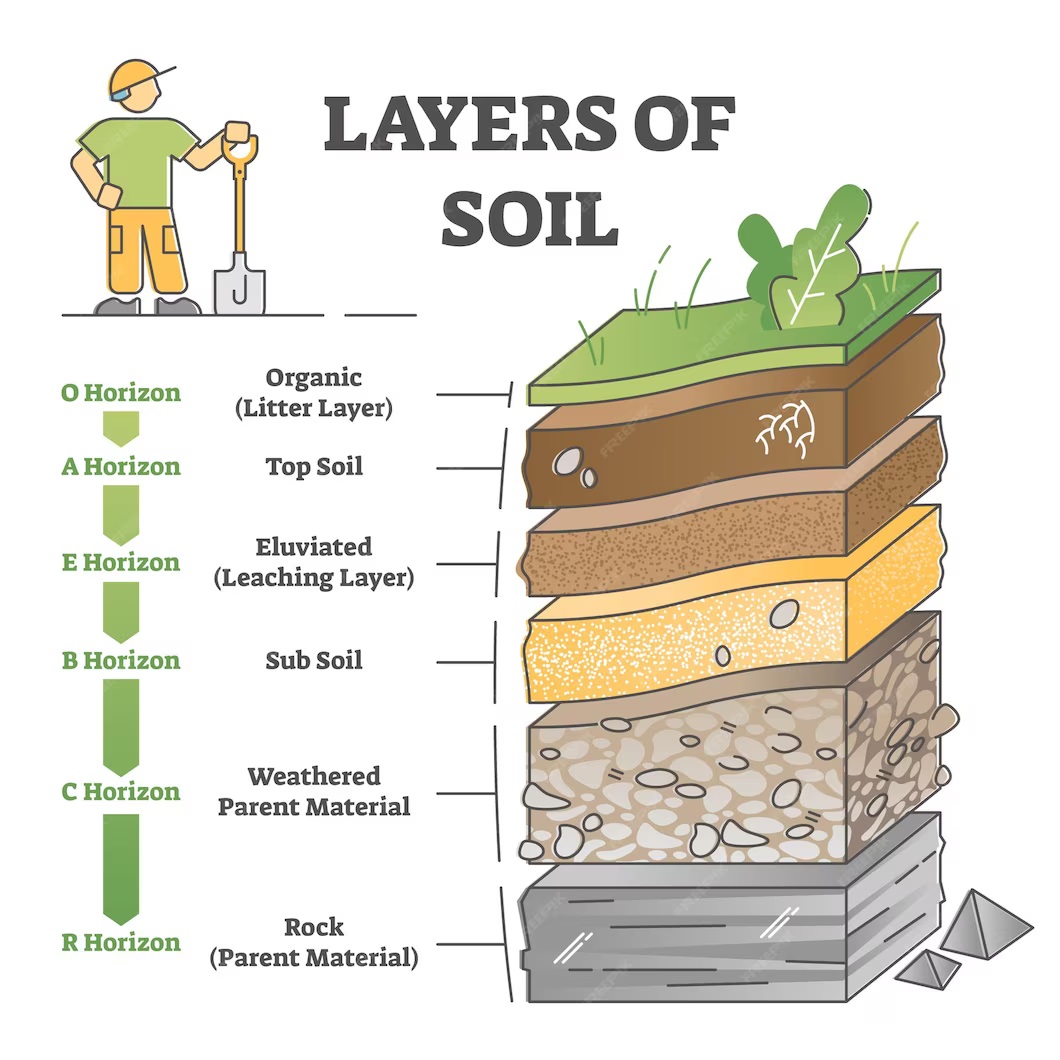
Most plant life in a garden exists in the humus, topsoil, and to a much lesser degree the eluviation layers. The humus and

right click image to enlarge

topsoil layers consist mainly of organic matter, giving it a dark color. Almost all of a plant’s root activity is in the topsoil layer which is rich in organic matter. And it is this nutrient and organic matter rich layer that you want to reproduce.

As for the eluviation layer, well, that is mainly the ground that the raised bed will sit on. I clear any vegetative matter from the spot before building my raised bed box. I do not use any weed barrier on top of the bare ground…personal preference and it hasn’t proven to be a problem for me. At least not yet. Some folks like to put down cardboard or landscape cloth that the raised bed sits on to prevent weed impingement.

When building the soil for the bed there needs to be a moisture balance…water retention vs well-drained. The soil must retain enough water for the plants to absorb through their roots but not so much that the roots are continually soaked. To achieve this balance I found it pretty easy…mimic a healthy environment that you find in nature.

If you look at the composition of a lot of good soil types you will find the top is fairly fine, then the soil get progressively coarse as it deepens. Each layer is approximately 1/3 of the bed depth. No, I don’t use a tape measure to ensure precision in each layer’s depth. So here is how I build my soil for raised beds:

  1. The first/bottom layer consists of –

    right click to enlarge

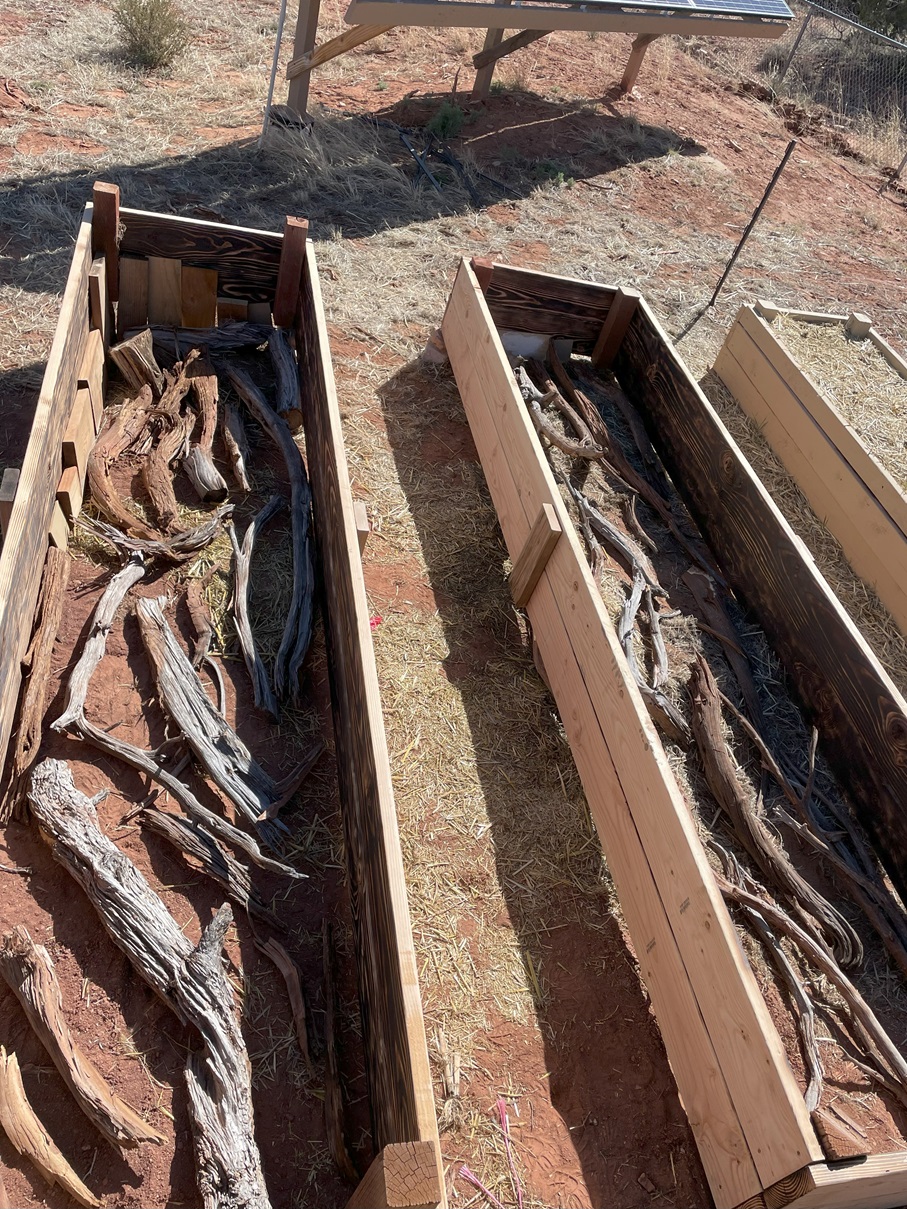
    • Large diameter branches that have some rot to them, or at least some decomposition taking place.
    • Medium diameter sticks.
    • Small diameter sticks.
    • You can also include some leaves and pine needles if you want to.
    • That makes up the bottom layer. On top of that I put a thin layer of some native soil (i.e. sand in our case) mixed with some perlite. The perlite allows for a natural balancing of water drainage/retention. The added native soil mixes with the organic matter over time to create a decent-quality soil for deep rooting.
    • This combination allows for additional organic matter as the sticks and branches decompose over the years while ensuring space for proper drainage.
    • You can use straw as part of the bottom layer but only straw. NEVER use

      right click to enlarge

      hay. Hay contains seeds which will overrun your vegetable plants. And a lot of hay is treated in the field with GrazOn or GrazeOn Next. Those products are designed to kill about 100 varieties of weeds. But it will kill your garden!! If there is any of those two products in the hay you use, it will kill your garden for ever! Yes, I mean the soil will be unusable for gardening FOREVER!

  1. The next layer consists of –
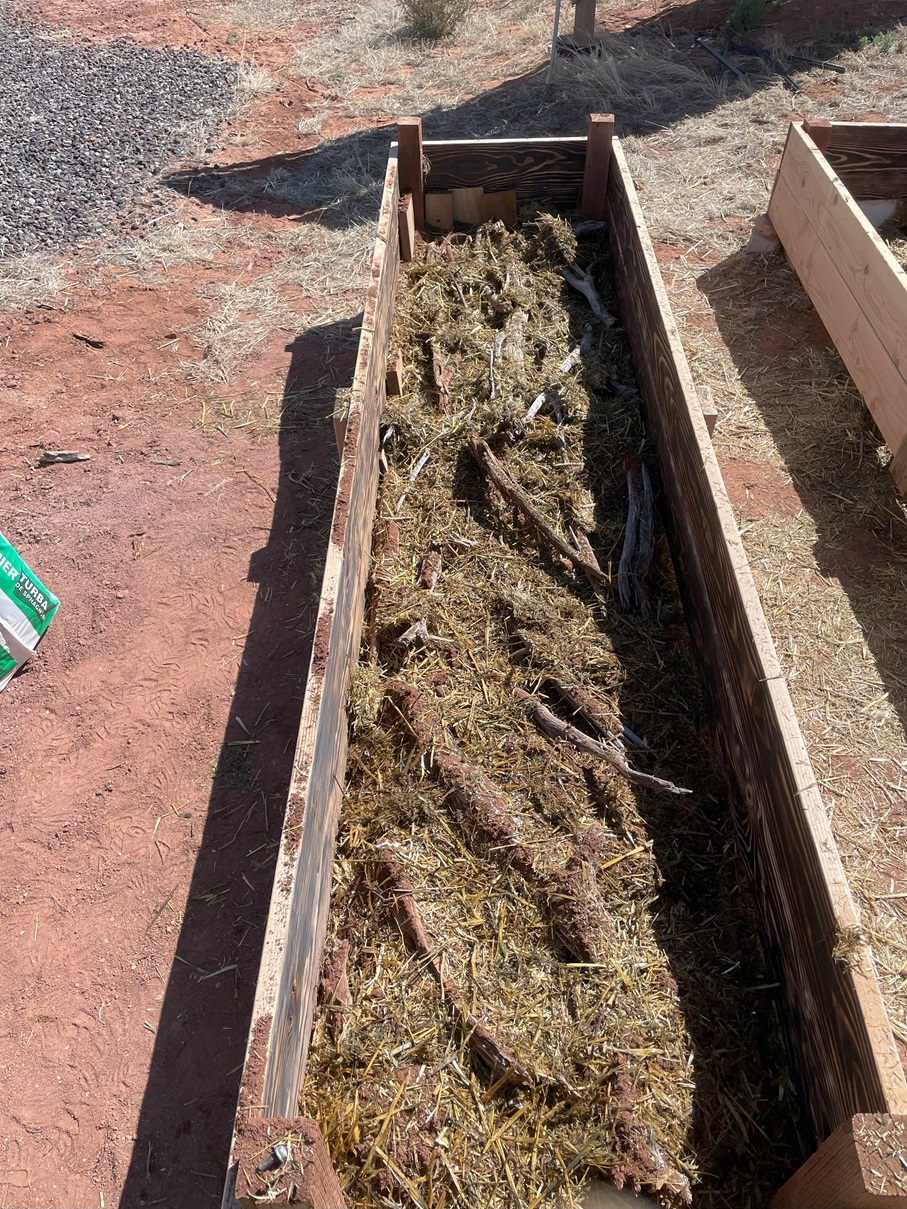
    • Coarse compost (70%), perlite

      right click to enlarge

      (20%), native soil (10%).

    • The coarse compost will break down over time into a rich fine soil. “Coarse” simply means it is a little chunky. As an opposing example: peat moss would be “fine”.
    • The perlite gives a little bulk to the soil as well as allowing for a natural balancing of water drainage/retention.
    • The native soil gives some mineral content that will eventually mix with the compost to form a high-quality soil.
  1. The top layer consists of –
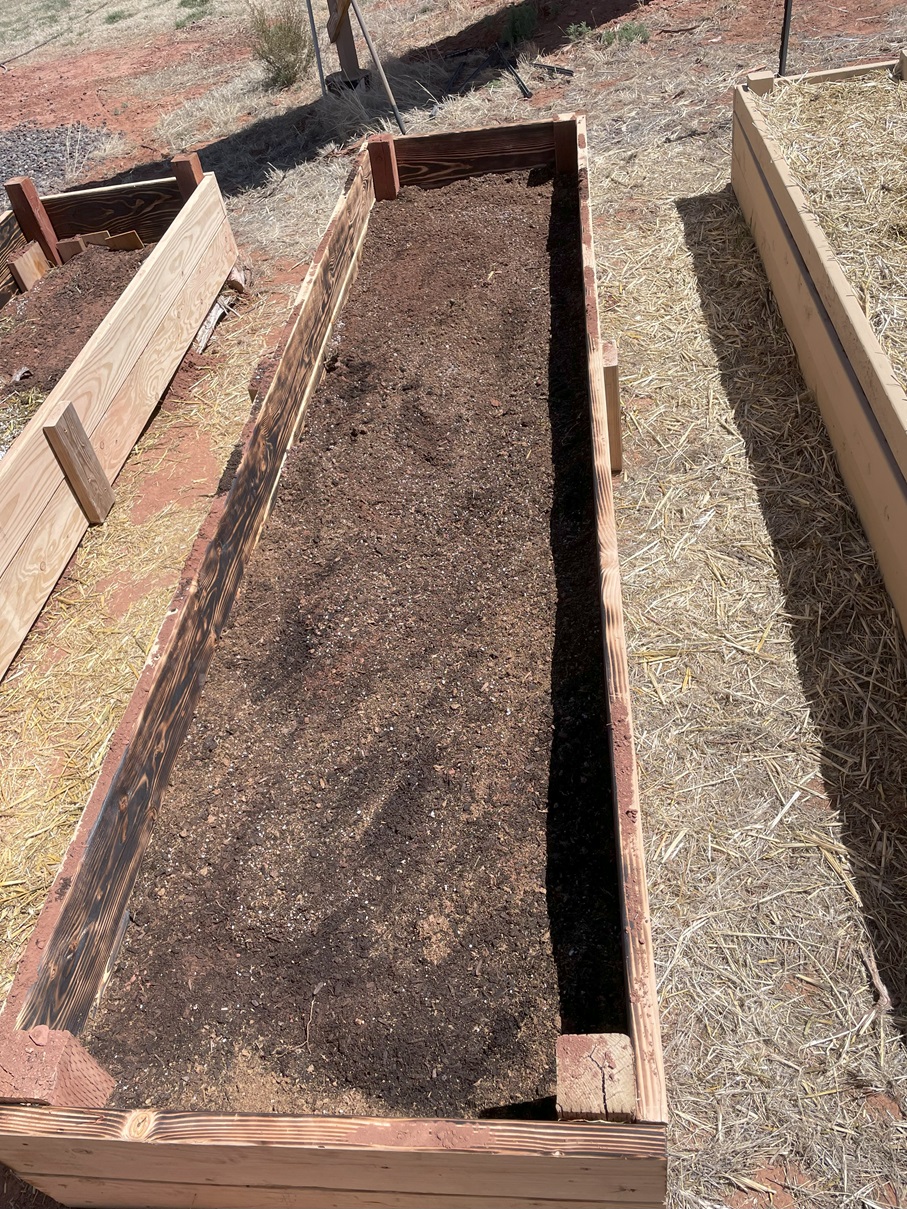
    • Peat moss (20%), coarse compost (50%), perlite (20%), native soil (10%).
    • The peat moss gives a fine, rich, water retention organic material for a good bed for seedlings to start. It also provides a great layer for early

      right click to enlarge

      rooting and fertilizer retention and availability.

    • The coarse compost will break down over time into a rich fine soil. In the mean time it provides space for air, water, and nutrients movement.
    • The perlite gives a little bulk to the soil as well as allowing for a natural balancing of water drainage/retention.
    • The native soil give some mineral content that will eventually mix with the compost to help form a high-quality soil.

BIG Note: Why all the different layers and components? Basically it is the cost. If you have the money you can go buy bags and bags of raised bed soil that is already made for you. But for us, it was way too expensive…I mean REALLY way too expensive. And honestly, our soil that we made did just fine…we had our beds produce an amazing amount of food. How much? Well, in addition to all the fresh fruit and vegetables that we ate and preserved…we gave away about 400lbs to other families was well. So how is that for good dirt???

Note #1: I do add fertilizer to each layer. For raised bed vegetable soil I mostly only use organic fertilizers. When making the beds originally I use a product that contains a little more nitrogen to aid in establishing the soil and breaking down the organic material. When I plant I use a more balanced product to ensure the roots are properly stimulated to grow. I mostly use slow release organic fertilizers to ensure I don’t ‘burn’ the roots and also to make the nutrients are available for a longer period of time.

Note #2: When I’m done building the bed I try to ensure that I have at least 12” of soil for sufficient rooting of the plants. Over time, as in each year, I add more topsoil/humus to each box. This is needed as the soil settles in the box, especially around the sticks and branches; and the branches and sticks breakdown into soil vs bulky material. For this addition I simply use a top layer mix. My goal is to eventually have 15 – 18” of soil depth for plants to grow in.

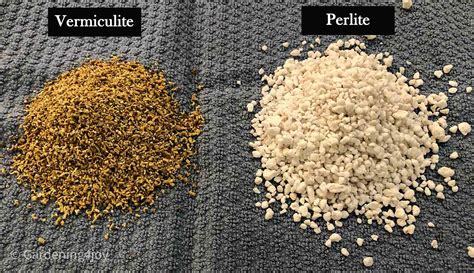
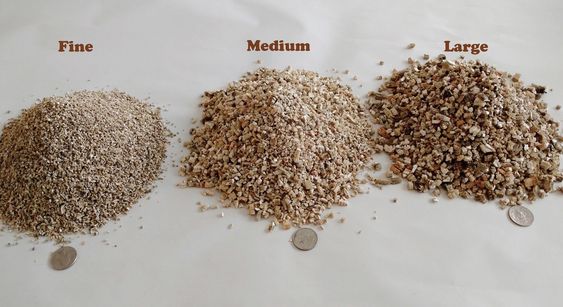
Note #3: I use perlite vs vermiculite due to cost. Vermiculite is notably more expensive but is also a better product in my opinion.

Note #4: I use the bulkier sticks and branches in the bottom of my boxes to save money. I have not experienced any problems with the bottom 1/3rd of the box composing of these materials.

Note #5: I have used Grow King’s “Steer Manure” as my coarse compost before. I have no issues with it. Ironically, driving into town one day I noticed a small sign on the side of the road next to a dirt road. It said “Grow Well” green waste site. To shorten the story, it is a collection site of yard waste for Grow Well…who then turns it into…you guessed it…Grow King compost. Why is that important? Buying 1 yard of compost in the bags costs $84 when you add in tax. I bought the unbagged compost direct from Grow Well for $30. Yeah, I like to be budget friendly. And yes, a yard of compost sits just fine dumped into my truck bed.

Note #6: Also, as I build each layer I water generously. It helps settle the soil for sure. But, it also makes the soil ready for planting. Heavy watering after planting it not as good as having the soil already moist.

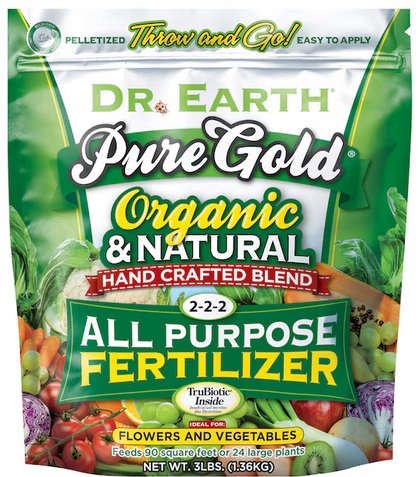
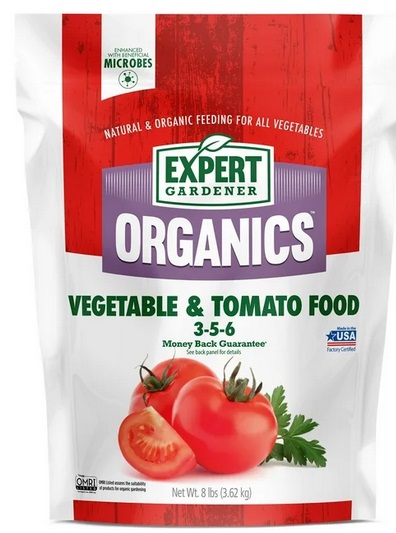
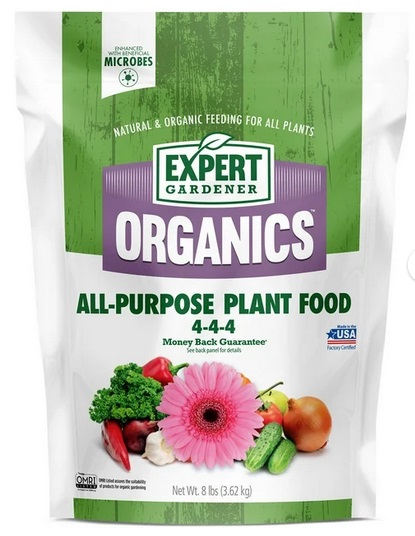
Note #7: For the organic fertilizer I like to use Dr. Earth Pure Gold 3-lb 2-2-2 Organic Natural Granules All-purpose Food from Lowes. I also use Expert Gardener Organics Vegetable & Tomato Food, 8 lb Fertilizer from Walmart, or Expert Gardener Organics All-Purpose Plant Food, 8 lb Fertilizer from Walmart. Normally I will buy a bag of Dr. Earth Pure Gold and mix it with a bag of Expert Gardener Organics. Why? Mostly cost. Dr. Earth Pure Gold is $4 per pound, Expert Gardener Organics is $1.62 – $1.67 per pound. I like the ingredients in the Dr. Earth Pure Gold, so I think it is worth the added cost mixed in with the Expert stuff. If you can afford it…I would go with Dr. Earth Pure Gold exclusively.


Articles in this Series –
Related Articles –


 2009 - 2024 Copyright © AHTrimble.com ~ All rights reserved
No reproduction or other use of this content 
without expressed written permission from AHTrimble.com
No legal, economic, or financial advice is given, no expertise to be assumed.
See Content Use Policy for more information.

GARDEN: Strawberry Patch 2024 Fall Work (video)

Here we go!!!!  Yup, trying my hand at another video. This one is a ‘glamstead’ and ‘garden’ subject. I hop you enjoy it…or at least get some good information from it 🙂


Related Articles –


 2009 - 2024 Copyright © AHTrimble.com ~ All rights reserved
No reproduction or other use of this content 
without expressed written permission from AHTrimble.com
No legal, economic, or financial advice is given, no expertise to be assumed.
See Content Use Policy for more information.

Garden: Q & A – Why in the he$$ are you preparing a 6k square foot garden?

  • Why in the he$$ are you preparing a 6k square foot garden?

First off…the total area I worked on was 10,000sq’, only about 6,000sq’ is going to be usable for a potential garden area. I hauled in about 15 or so yards of dirt. Then I put on about 8 yards of really good compost. Then added a good application of an organic soil conditioner. Once that was all done I put down 40lbs of grass seed, then ¼ (or so) of peat moss.

Why the dirt? To level off the area that I wanted for a potential garden area.

Why the compost? The dirt here is mostly a fine sand kinda soil that is lacking when it comes to nutrients. And the soil just doesn’t hold water worth a dang. The compost will help with both of those issues.

Why the soil conditioner? It adds in a bunch of micro nutrients and other good stuff in addition to a good application of balanced organic fertilizer.

Why peat moss? To sit on top of the grass seed and aid in germination by retaining moisture for the seed to use.

So why 6,000sq’ of potential garden? Well, if it hits the fan in any way that disrupts the food supply chain I have some extra garden space that can be put into production for crops like; potatoes, corn, wheat, lentils, and other crops that take lots of space beyond what “square-foot” gardening can do in my current raised bed garden boxes totaling 350sq’.

Preparing now will give this area a chance to get healthy and productive. My plan is to aerate and add additional compost plus soil conditioner 3 – 4 times a year to keep improving the soil’s nutrient capability plus water retention ability. Then should I need the garden space it will be ready to be worked into a healthy and productive garden.

Does that work for you? Your thoughts, opinions, suggestions???


Related Articles –

Q & A Time…Ask me a question or send me a message…

Go back

Your message has been sent


Warning

Warning

Warning

Warning.


 2009 - 2024 Copyright © AHTrimble.com ~ All rights reserved
No reproduction or other use of this content 
without expressed written permission from AHTrimble.com
No legal, economic, or financial advice is given, no expertise to be assumed.
See Content Use Policy for more information.

Garden: Losses and Lessons Learned

OK, so here is the after action report on the big freeze-out that occurred on May 8th that I wrote about on May 9th (Garden: Big Mistake).

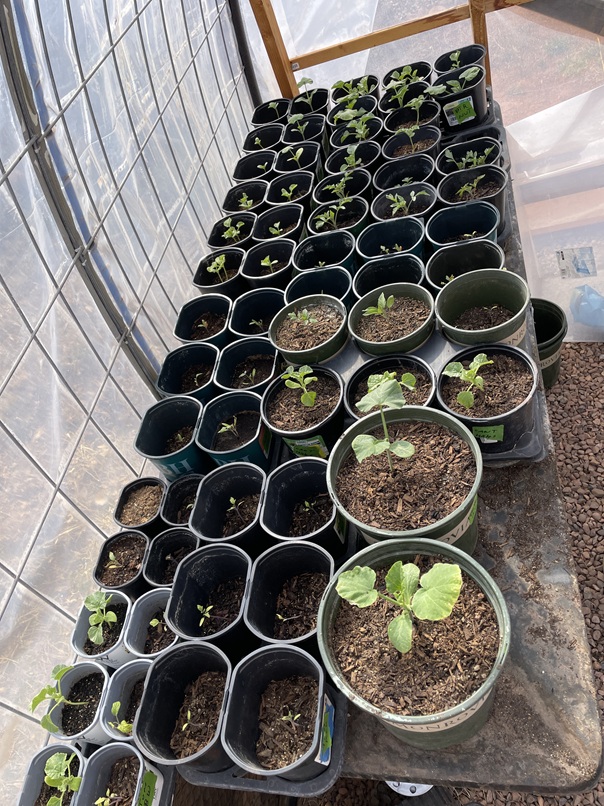
Here is the first thing that I found interesting…nothing I had in the ground received any freeze damage at all. All of the freeze damage was in the green house.


PLANTS                           # BEFORE THE FREEZE             # LOST or QUESTIONABLE

  • Tomatoes                                     35                                                     7
  • Cantaloupe                                    6                                                     3
  • Watermelon                                   2                                                     0
  • Cucumbers                                  10                                                     7
  • Peppers                                       38                                                     8
  • Squash, Butternut                          1                                                     1
  • Squash, Zucchini                           2                                                      2
  • Flowers                                        14                                                      1

Vegetables lost – 23%

Flowers Lost – 6%

Bottom line…it could have been way worse!

Here are the lessons learned from this event:

  • Have routines for all important chores…and be faithful to that routine. Write it down if needed.
  • Pay close attention to weather reports and don’t trust them 100%. Error on the side of caution.
  • Just because the plants are in a green house doesn’t mean they are protected from cold weather.

Now here is something to think about…If we were dependent on the garden for survival we would now be short of food by ¼. That could be really devastating in a survival situation. Therefore, I learned that I should overestimate plants needs by 1/3rd at the least. If I have too many when it comes time to plant…then give the extras to those in need.


Related Articles –


 2009 - 2024 Copyright © AHTrimble.com ~ All rights reserved
No reproduction or other use of this content 
without expressed written permission from AHTrimble.com
No legal, economic, or financial advice is given, no expertise to be assumed.
See Content Use Policy for more information.

Garden: Big Mistake!

I’ve been really working hard at expanding our garden this year. Our goal is to try and eat out of the garden as much as possible. A secondary goal was to become independent of buying plants from a store to go in the garden. And we also wanted to gain the last of sufficient knowledge to be able to grow as much food as possible in the event of a food chain disruption or grid-down.

So what is the big mistake? I was blindsided last night.

Two years in a row we’ve been hit with a hail storm in roughly mid-September. Both years it destroyed our garden with the exception of the strawberry plants. We now have a plan in-place to deal with that this year…more on that in a later post. Last night was different.

Background: We monitor two different nearby locations for our weather forecasts, there is not one for our immediate area…we live in the sticks. Both nearby locations are within 5 miles. For the most part the forecasts are pretty spot on. Last night was different.

I’ve been working really long and hard hours for several weeks lately…this morning I decided to sleep in way late…I got up about 5:45. I slept so well last night it was amazing! Cool night air coming in through the windows and just a perfect night for sleeping. Then I woke up.

Problem: One of the first things I check when I get up each morning during the growing season is the outside temperature. And yes, the inside temp as well in case I have to turn on the electric baseboard heaters for my wife. I was stunned when I saw the outside temp was 32o outside!

Besides my berries I have my potatoes in the ground and coming up beautifully. I am also experimenting with planting some plants early and prepared to protect them if a freeze will hit. Last night it was supposed to be 37o – 40o…no lower…so no protection steps taken.

I have no idea what the damage will be yet. I know the berries can handle it and the potatoes should be fine as well. My experimental plants…who knows? But, I can afford to lose those since I have nearly 80 plants in my greenhouse that are my primary stock. And therein lies another problem.

I have a routine in the evening…that includes closing the greenhouse door and window. Yesterday was kinda cool so I left the door closed all day but had the window open for air circulation.

Remember I mentioned the long and hard hours I’ve been working? Last night I was exhausted and kinda took a little time to just veg…and I neglected some of my evening routine. And one item of that “some” was neglecting to close the greenhouse window. BIG MISTAKE !

I don’t know yet what the damage may, or may not, be. I think the damage won’t manifest it self clearly until tomorrow at the earliest. I am hoping for the best…a tender mercy. There were almost 80 plants in the greenhouse last night, if we lose those we are hurting big time when it comes to our garden this year. Actually we will be mostly wiped out for this year.

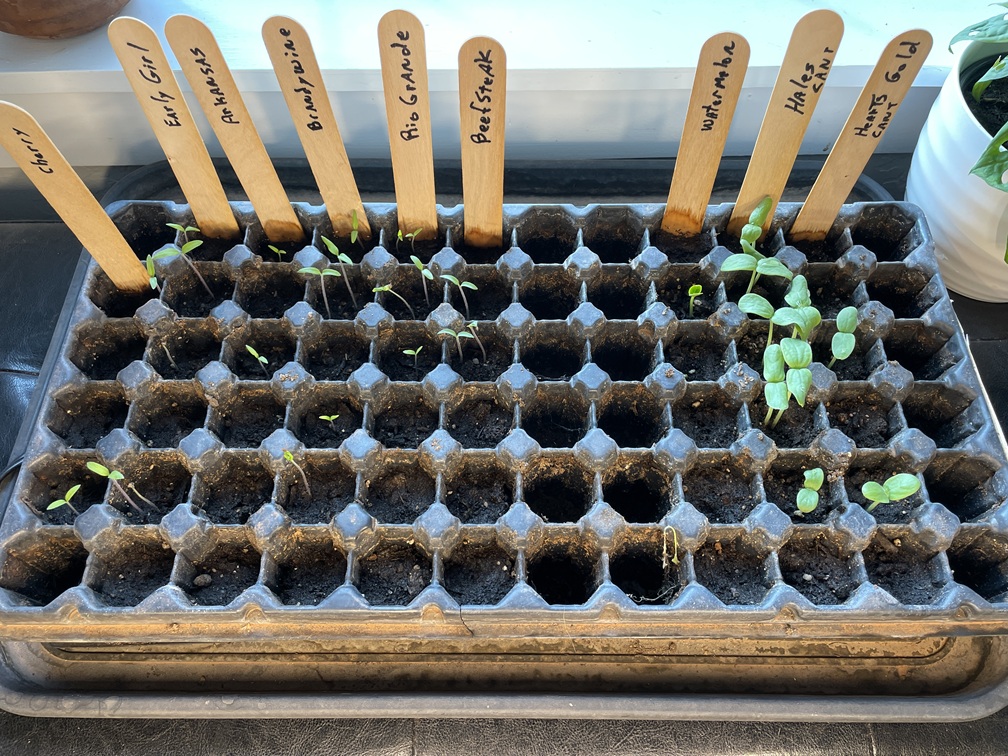
There will still be time to plant seed directly in the ground for many plants but not for things like tomatoes, peppers, cucumbers, etc. that need to be started indoors and then transplanted. You see we took the money that we would normally pay for plants from the store and invested it in the greenhouse and plant starting equipment. There is simply no budget to replace all those plants that might be lost from, last night. We’ll see.

So why am I sharing this experience, this mistake?

Remember the last two years of hail in September that destroyed the garden? Well, this would be the third year in a row of a major catastrophe making a serious adverse impact on our garden.

Think about that for a minute. Let’s say we were living in a grid-down scenario right now and had to depend on our garden producing food to supplement our food storage. That is 3 years straight that we would have lost part of the garden production…that could spell disaster!

I think it was 4 years ago, maybe 3, that I shared with you a real strong encouragement to start gardening. I said maybe not to become some master gardener with 2 acres under cultivation to feed your family year-round. What I encouraged you to do was to learn…that’s it. Learn your soil, your weather, what plants would do well in your climate, etc.. Just learn to garden so “if” the time came…you would have the skill-set to do so.

The same goes for me.

I will be doing a “lessons learned” post soon on this event and I hope you get something out of this post and the upcoming one. I know I learned a valuable lesson.


Related Articles –


 2009 - 2024 Copyright © AHTrimble.com ~ All rights reserved
No reproduction or other use of this content 
without expressed written permission from AHTrimble.com
No legal, economic, or financial advice is given, no expertise to be assumed.
See Content Use Policy for more information.

Garden: Q & A – Tomato Soil

  • From: floidb

RE: Garden Tip: Potting Soil

Greetings and thanks for the helpful article. Do you think this mixture would work well for planting the tomatoes in a raised container, once they are large enough to plant outside, or would it need anything more? 


The short answer is an unqualified “yes!” Meaning, yes, you need a better soil for your tomato plants outside in raised beds.

The #1 problem I’ve run into growing tomatoes is what is called blossom end rot. It comes from not enough calcium. But here is the tricky part…there is usually enough calcium in the soil, but the plant is having a hard time getting the calcium from the soil into the plant.

What does that have to do with your question? You have to have a great soil with a consistent and adequate watering schedule.

Great Soil: Peat moss is great for seedlings because it is sterile and won’t corrupt your seedlings. But tomato plants producing fruit need a whole lot of nutrients. And that my friend means compost, lot’s of good quality compost. I’ve bought mine from a local city sanitary district but we stopped because there was too much trash in it. I found a company locally that accepts green waste then turns it into compost, landscape mulch, and bark chips. It is clean and well composted.

To make my soil I use 8 parts compost, 1 part peat moss, 1 part perlite, 1 part native soil (ours is sandy). If you want to step it up a notch you can add 1 part vermiculite. Vermiculite is a lightweight, sterile, and expandable mineral that improves soil texture and moisture retention. Vermiculite is notably more expensive than perlite but is a nice additive to my basic mix.

Why do I use our native sandy soil? To reduce cost and give some drainage to the soil. If you have a rich black soil like parts of the mid-west then you can probably cut back on the compost. And remember, I grow everything in raised beds due to the very poor condition of our natural, in-ground, dirt. If I live where I grew up, great soil to begin with, then I would do everything in-ground and just amend the soil as needed.

Tomato plants need a pretty well draining soil but consistent watering. They don’t like constantly wet roots but they do need a consistent deep watering so they can take up the needed nutrients. I plant my tomato plants deep, usually about 10 – 12” of the stem in the dirt. If I can’t get them that deep then I go horizontal for 12” or so and about 6” deep.

Now, when I plant I dig my hole then place bone meal in the bottom of the hole along with that 2-2-2 organic fertilizer I mentioned. This year I am trying an additional step…gypsum on the surface around the plant, then mixed in just slightly, then well watered. The bone meal and gypsum are sources of calcium that plant needs. And yes, I will add fertilizer about 1x per month as needed during the growing season.

Waiting until you see how I trim them! Yeah, a bit radical.

NOTE: Be careful when buying compost! It may be “hot” meaning a whole lot of nitrogen in it. That will burn your plants up. < click here to read how I burned up my strawberry plants > Compost needs plenty of time to cook and then cool down. Talk to your supplier about it. I still leave mine sitting on the ground covered for months just to make sure.


Related Articles –

Q & A Time…Ask me a question or send a message about gardening…

Go back

Your message has been sent


Warning

Warning

Warning

Warning.


 2009 - 2024 Copyright © AHTrimble.com ~ All rights reserved
No reproduction or other use of this content 
without expressed written permission from AHTrimble.com
No legal, economic, or financial advice is given, no expertise to be assumed.
See Content Use Policy for more information.