
 You should probably read the previous four parts before reading further…this post will make much more sense if you do:
< click here to read Part #1 >
< click here to read Part #2 >
< click here to read Part #3 >
< click here to read Part #4 >
For years many Americans have felt like something is off. Not because some expert on TV told them so, but because they live it every day…it’s their life.
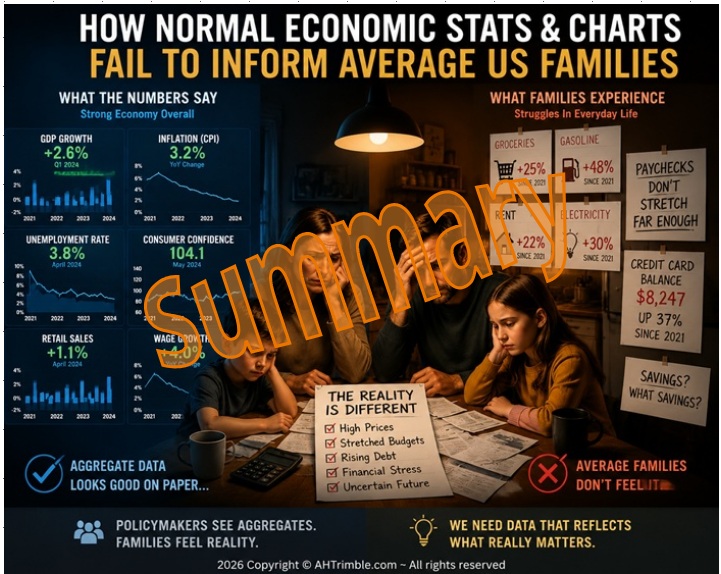
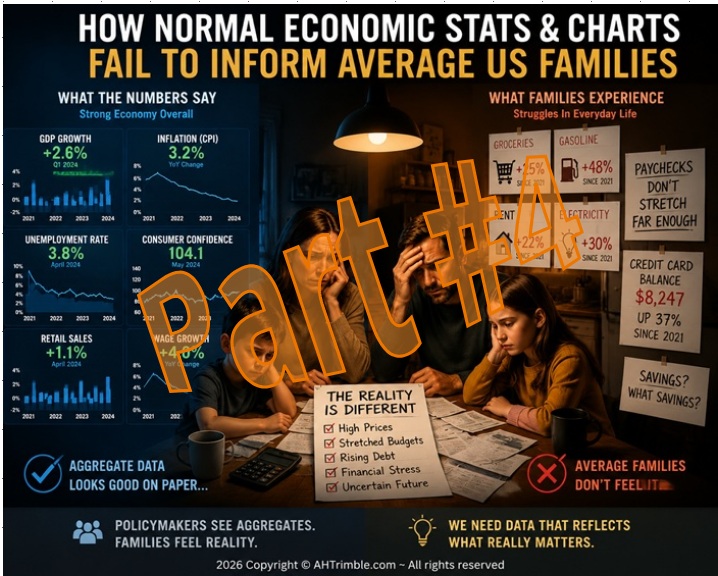
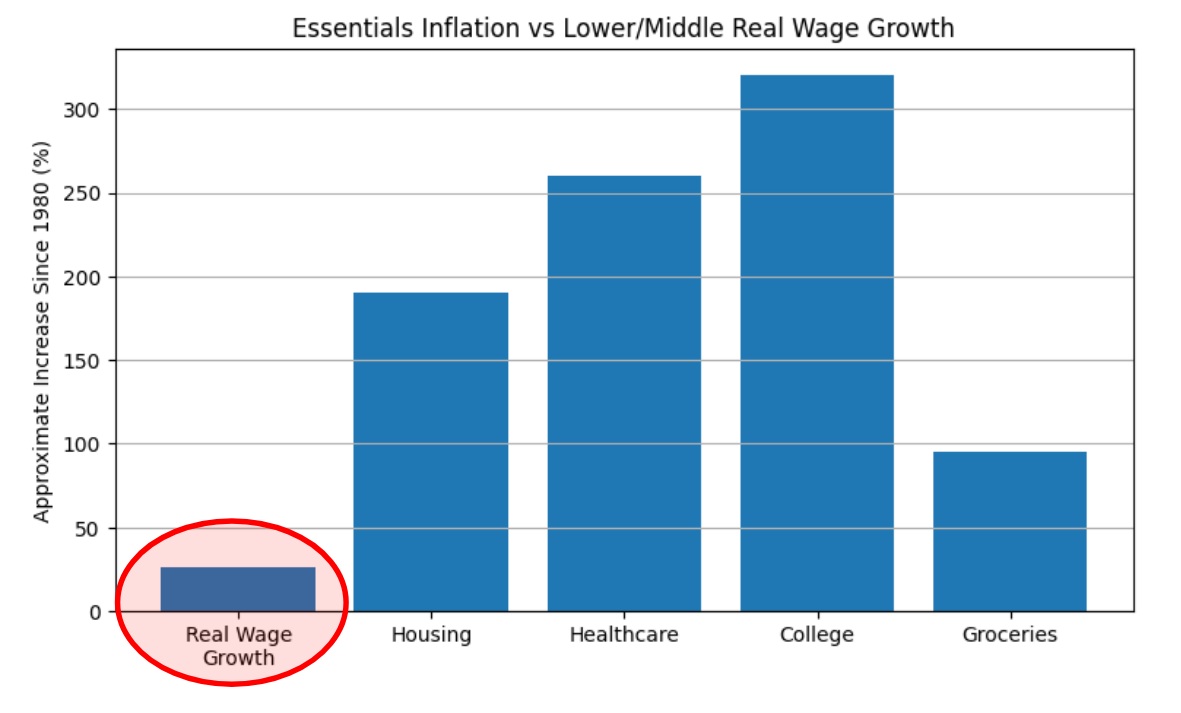
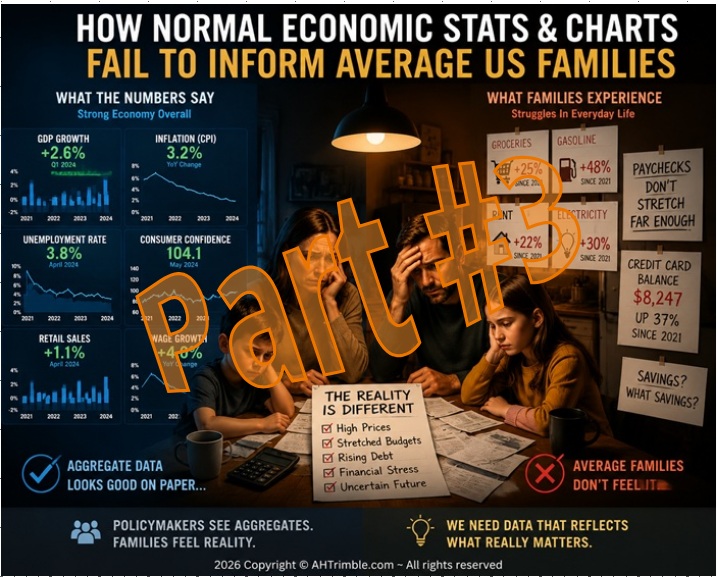
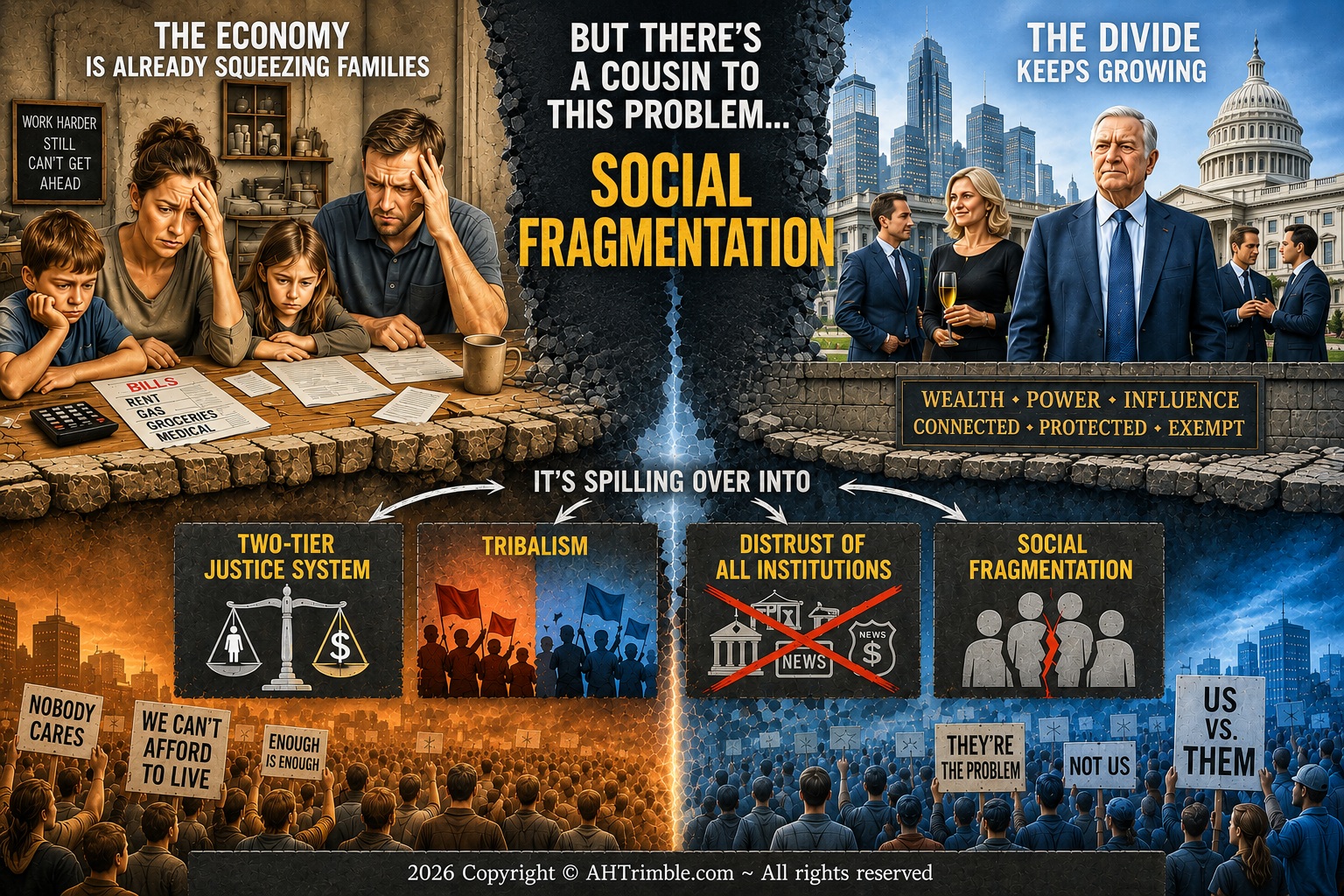
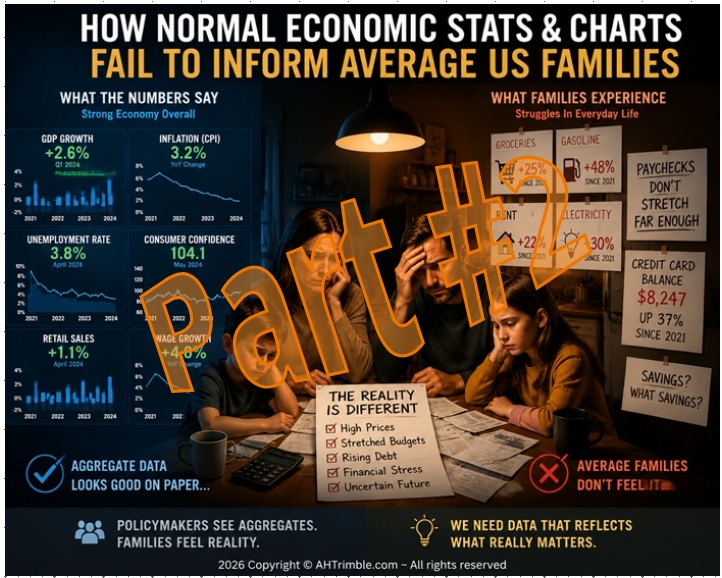
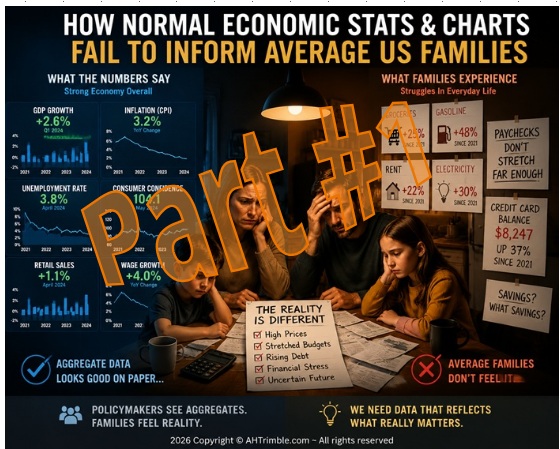
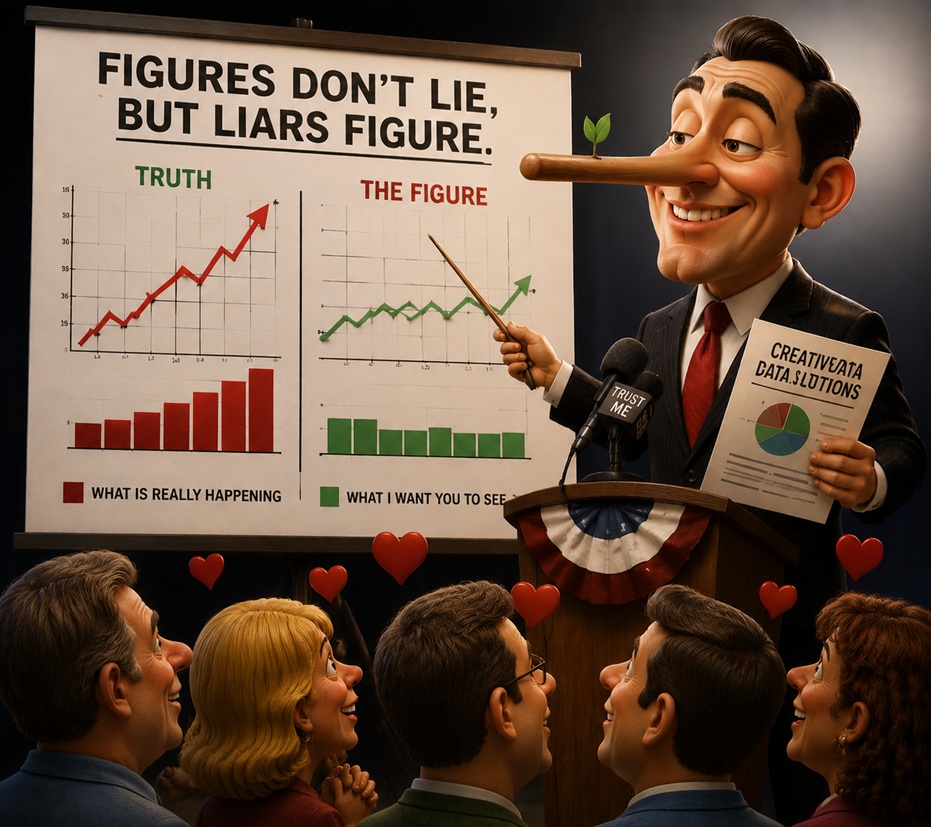
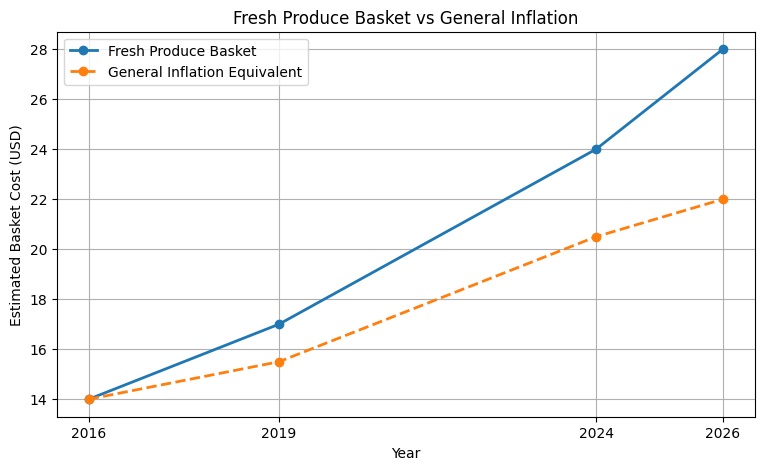
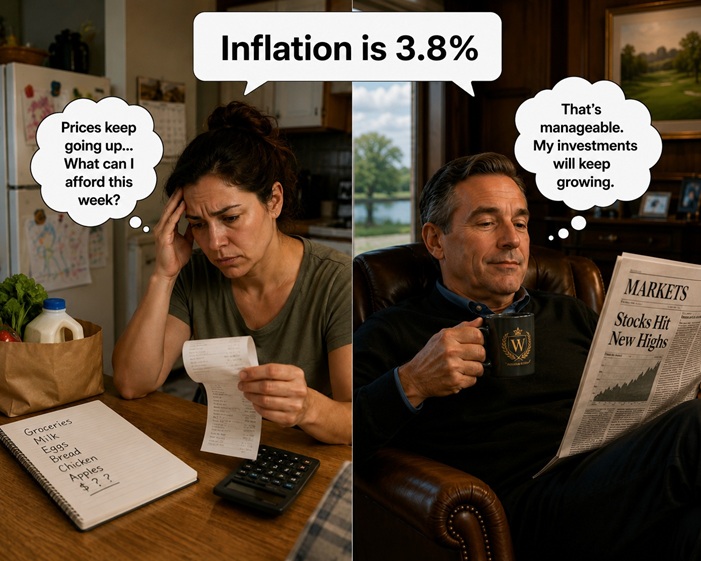
The numbers say the economy is doing great. GDP grows. The stock market hits records. Unemployment stays low. Inflation cools down a little, goes 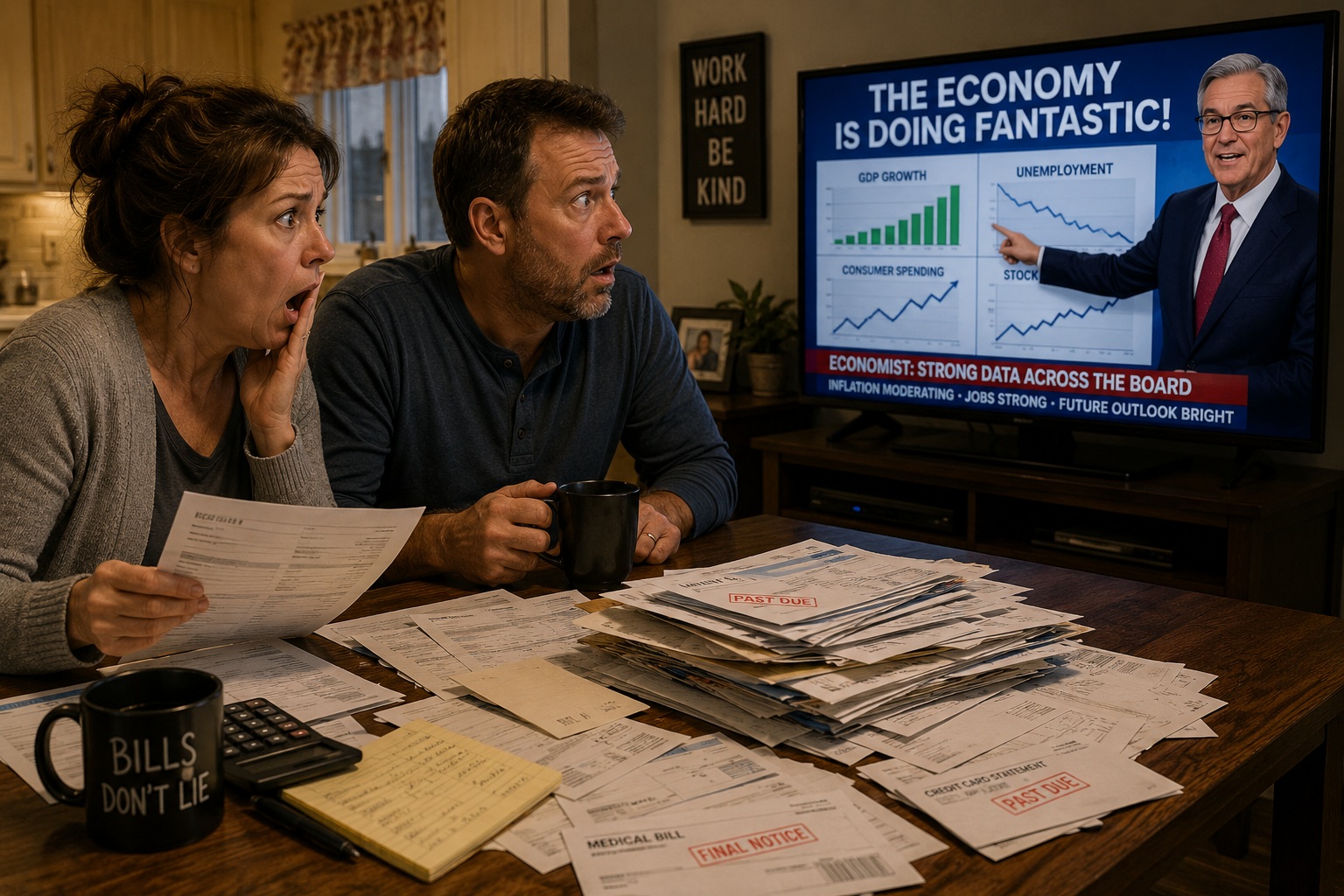 back up a little, and economists point at charts saying things are moving in the right direction. Meanwhile, people sit at the kitchen table staring at bills.
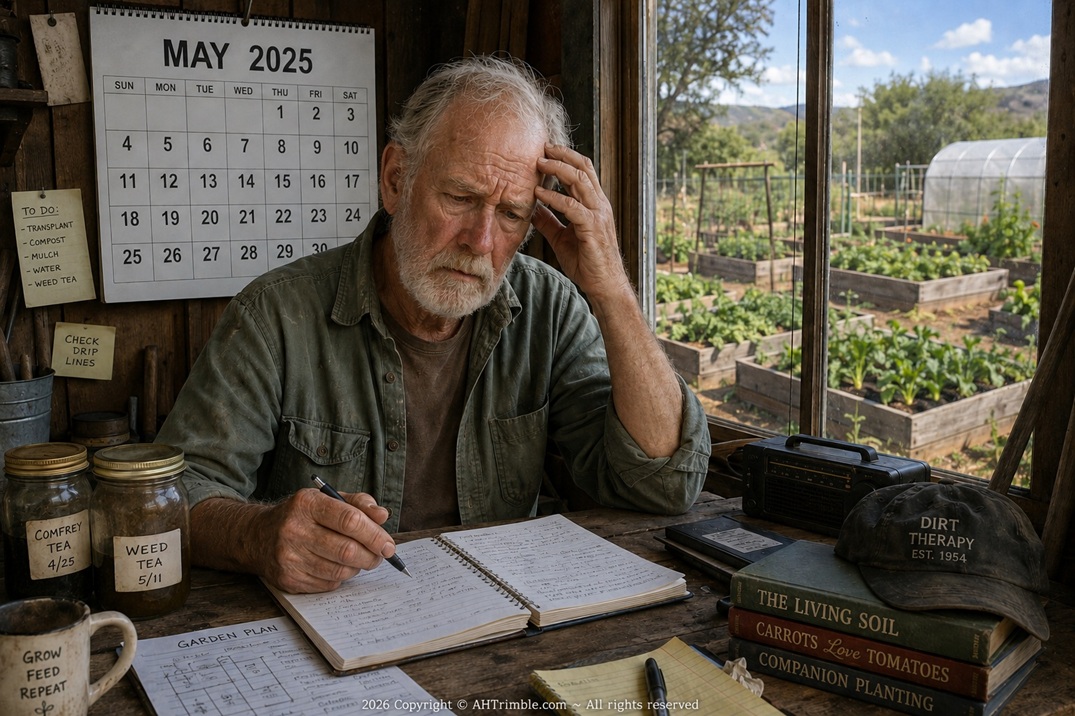
I am a 71 year old man now, I’ve watched America for a long time. I’ve watched factories close and prices rise. I’ve watched technology change the world. I’ve watched neighbors become strangers and strangers become enemies. I’ve witnessed the rise of keyboard warriors. I’ve seen the internet separate us into tribes.
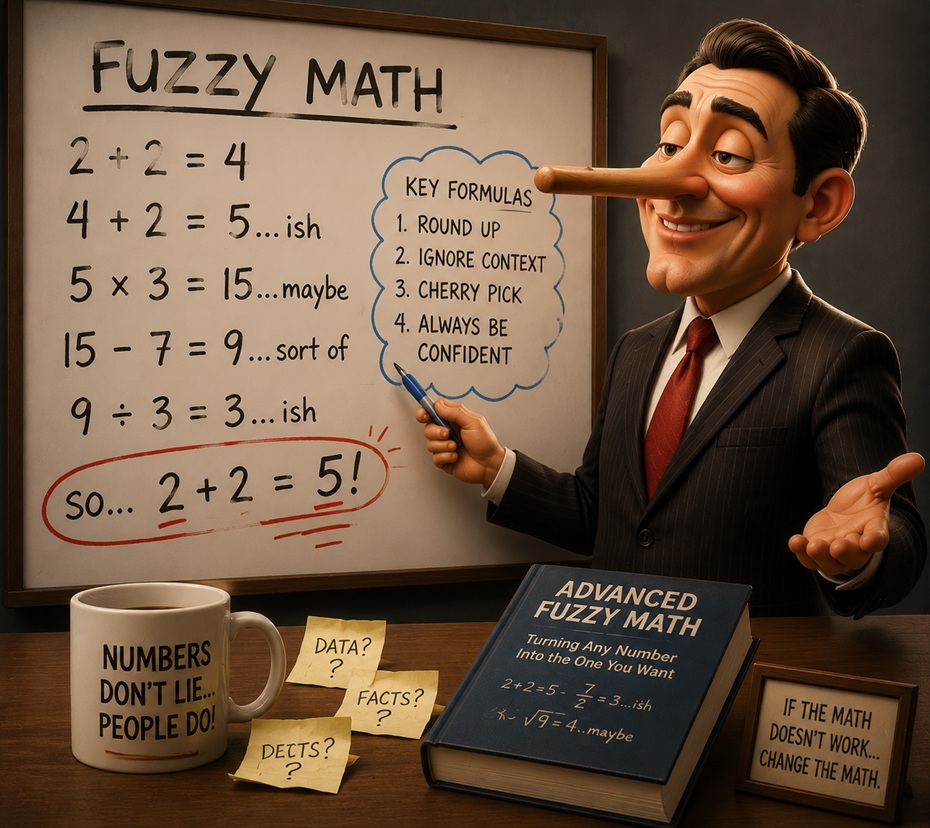
I’ve watched people work harder and somehow feel less secure. And somewhere along the way, many of us started feeling like something wasn’t adding up. The experts showed us charts, the politicians gave speeches, and the media gave us explanations…it didn’t make sense to many of us. And all of us picked up beliefs along the way. I did too.
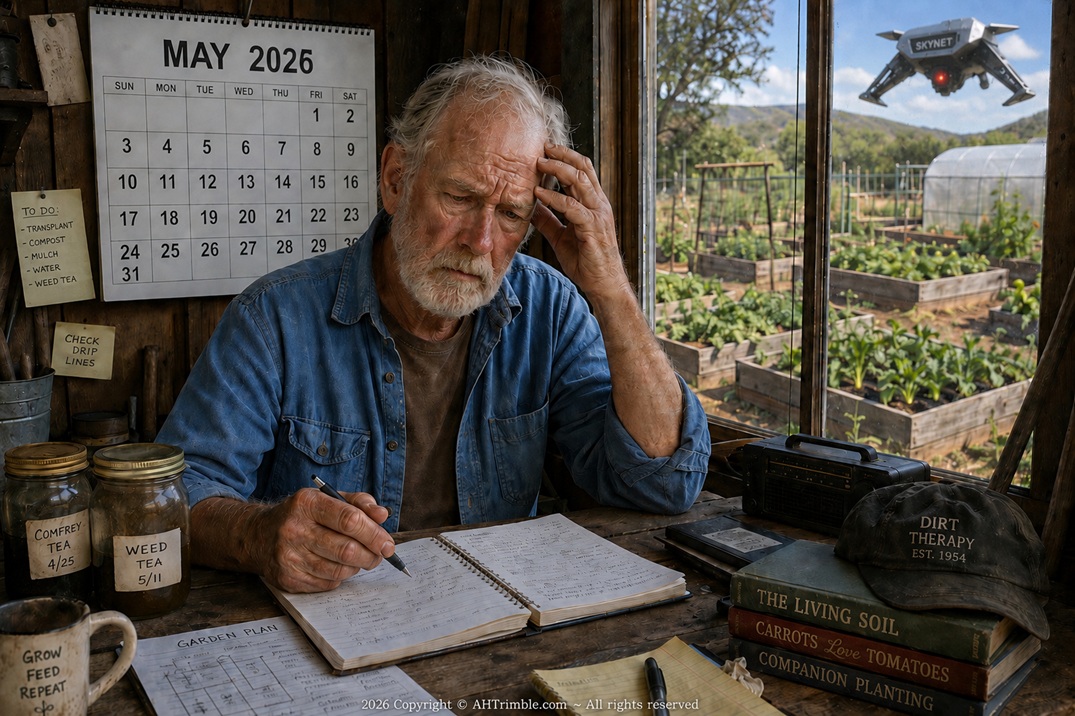
As I reached the end of this article, something happened that I did not expect. I became overwhelmed with emotion and began to cry. At 71 years old I wasn’t expecting that. Something shifted inside me. What comes next is going to surprise a lot of people…it shocked me when I re-read it. I hope you listen to my heart as you read on.
How many times did I look at a problem and only see it through the lens I had been handed or polished myself? How many times did I argue with someone who was hurting in the same way I was hurting? How many times did we spend more energy fighting each other than asking what was happening to the people around us?
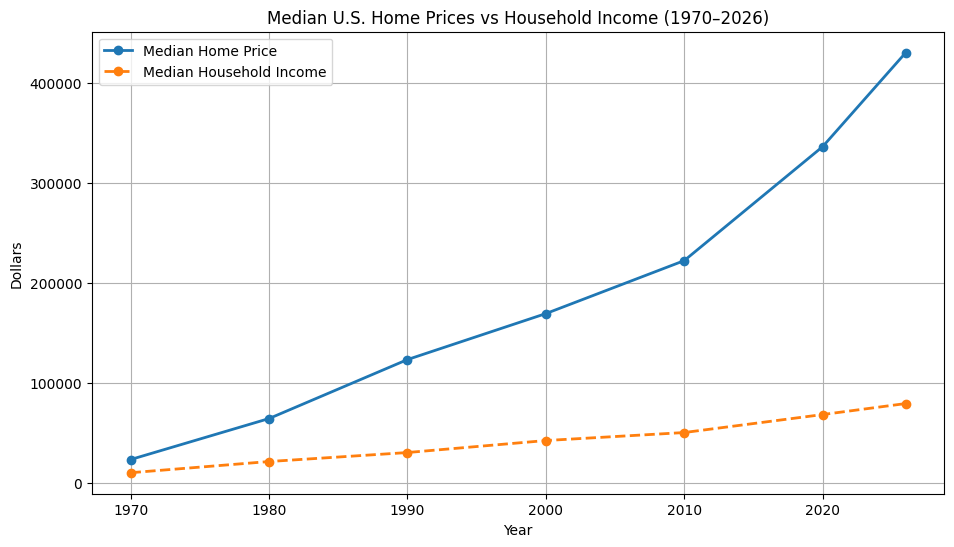
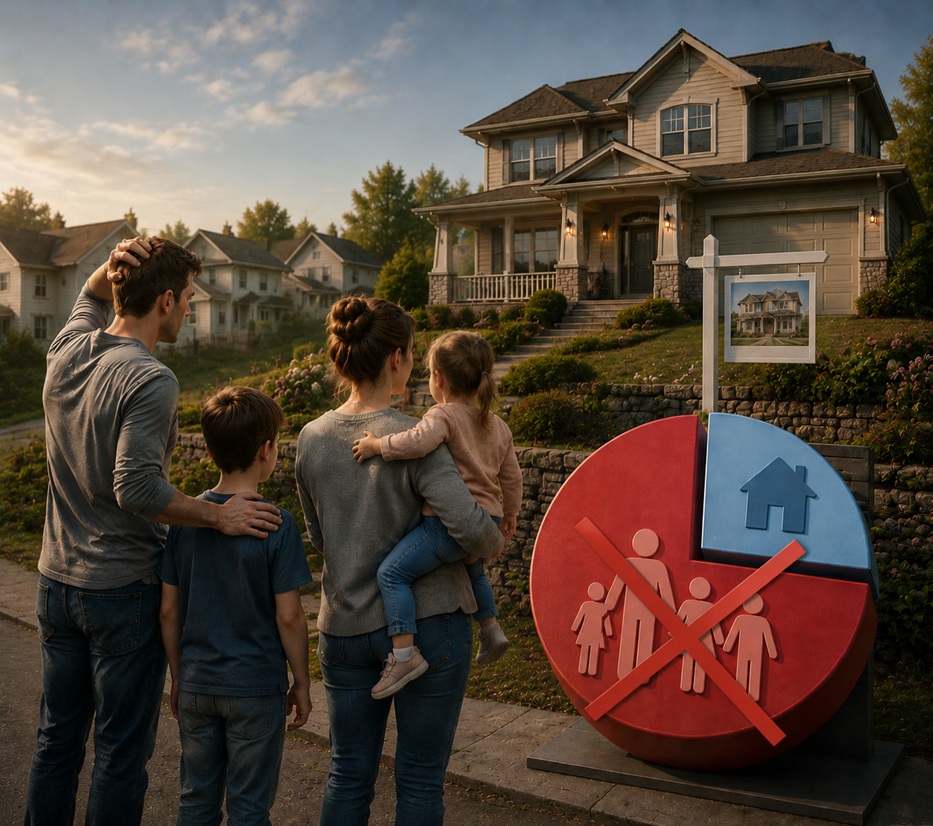
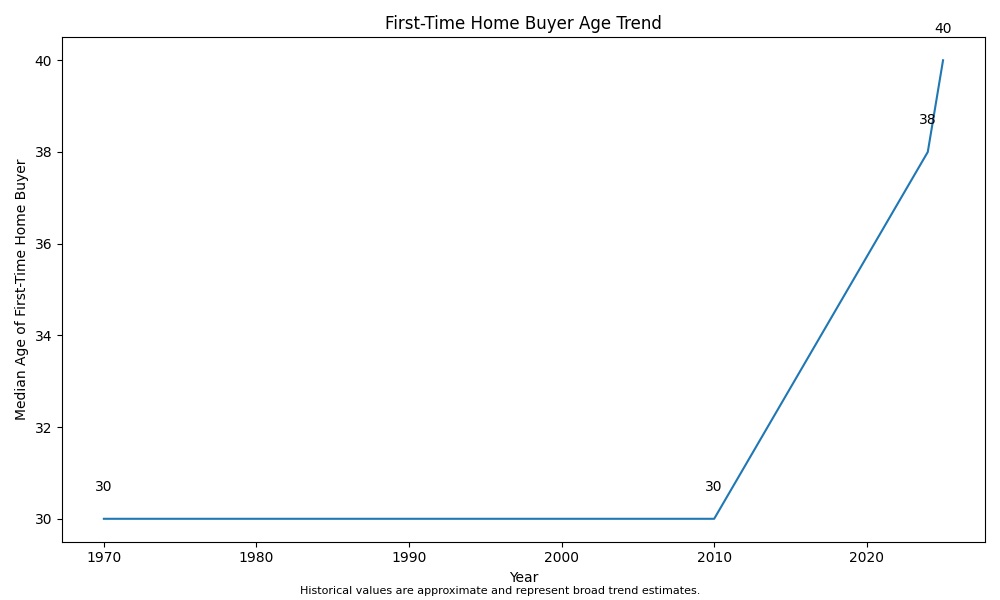
Because now I look around and I don’t see numbers…I see people; I especially see young families wondering if they can ever buy a home. I see parents worrying about their children…I see older people wondering what kind of country they are leaving behind. Mostly, I see people exhausted from running faster and feeling like they are getting nowhere.
Let’s think about what has happened.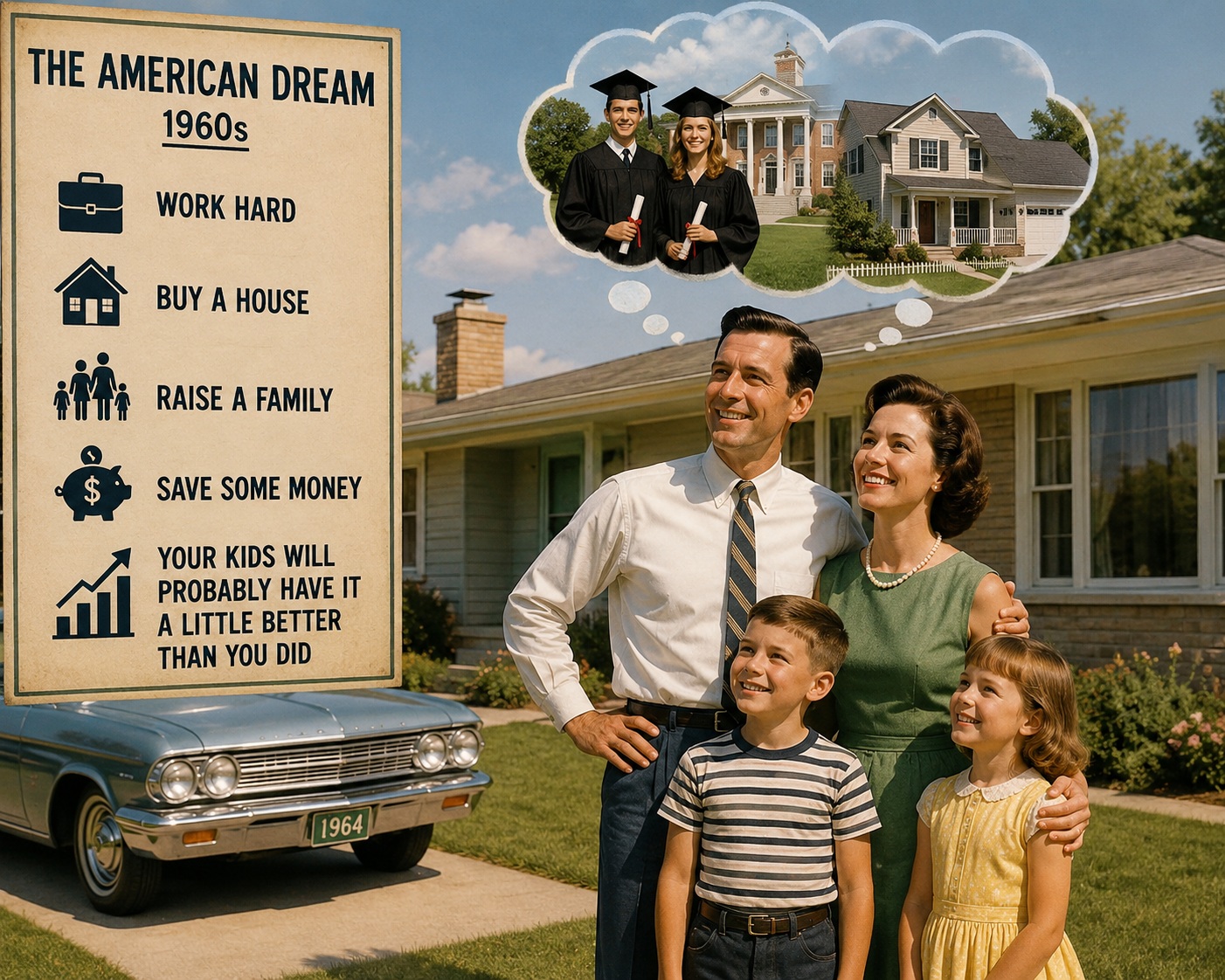
Back around the 1950s through the early 1970s, the average family had a pretty simple expectation: work hard, buy a house, raise a family, save some money, and your kids would have a life a little better than you did.
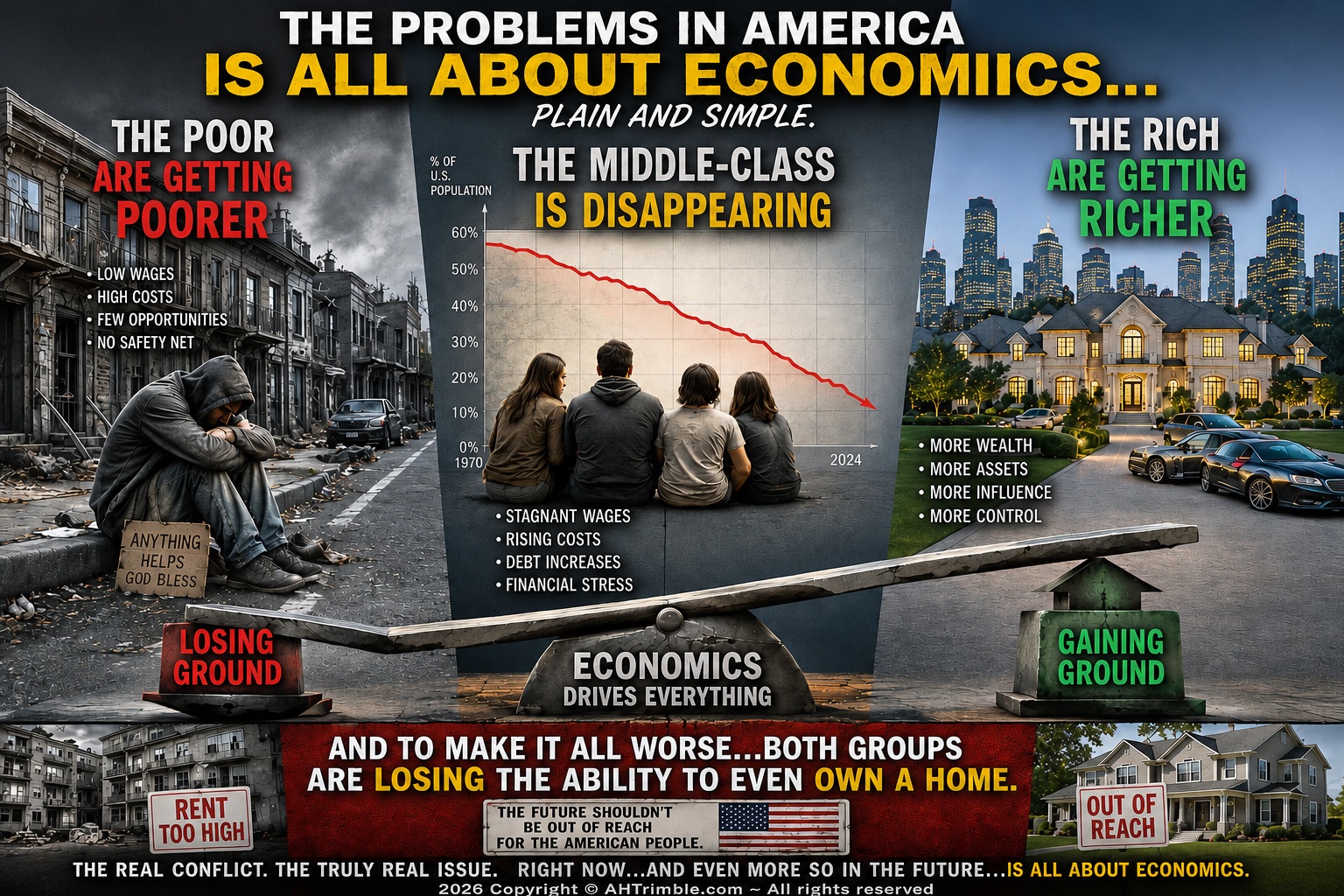
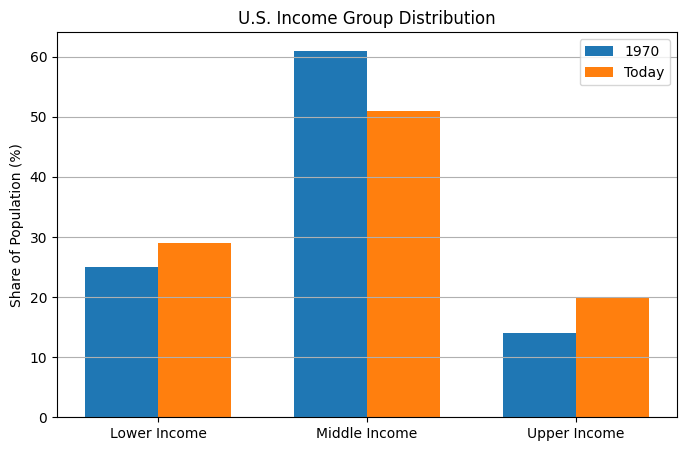
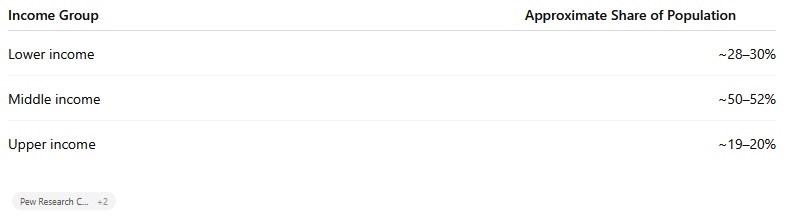
It wasn’t perfect. Plenty of people were left out. Plenty struggled. But the broad middle-class was growing…and the lower-class was much smaller back then. Then things slowly changed.
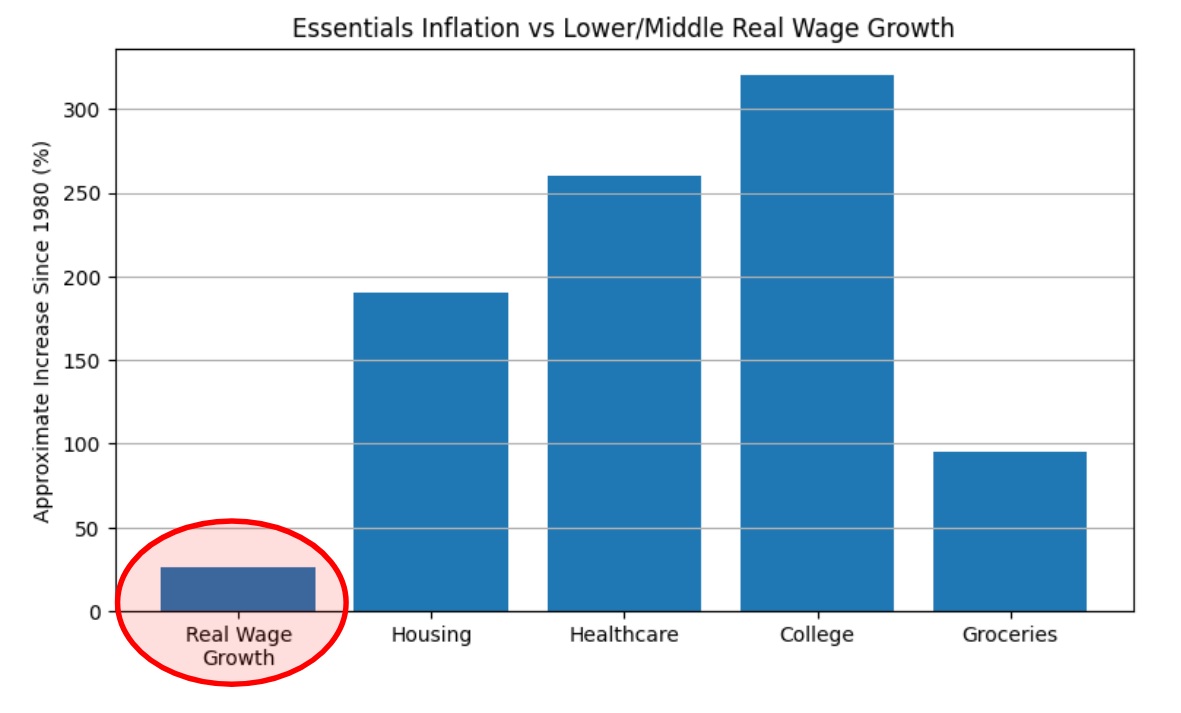
Manufacturing jobs declined. Global competition increased. Technology changed industries. Government changed rules, taxes, trade agreements, regulations, labor policies, and financial systems. Looking back, I cannot help but wonder whether too many of those changes increasingly benefited corporations, concentrated wealth, and left ordinary people slowly losing ground. None of those changes happened overnight.
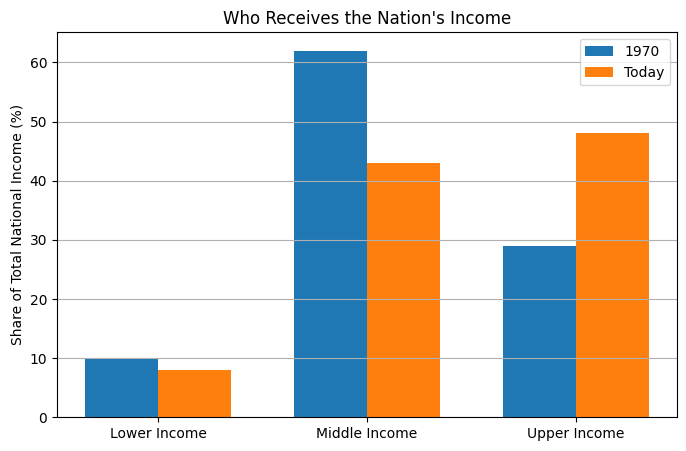
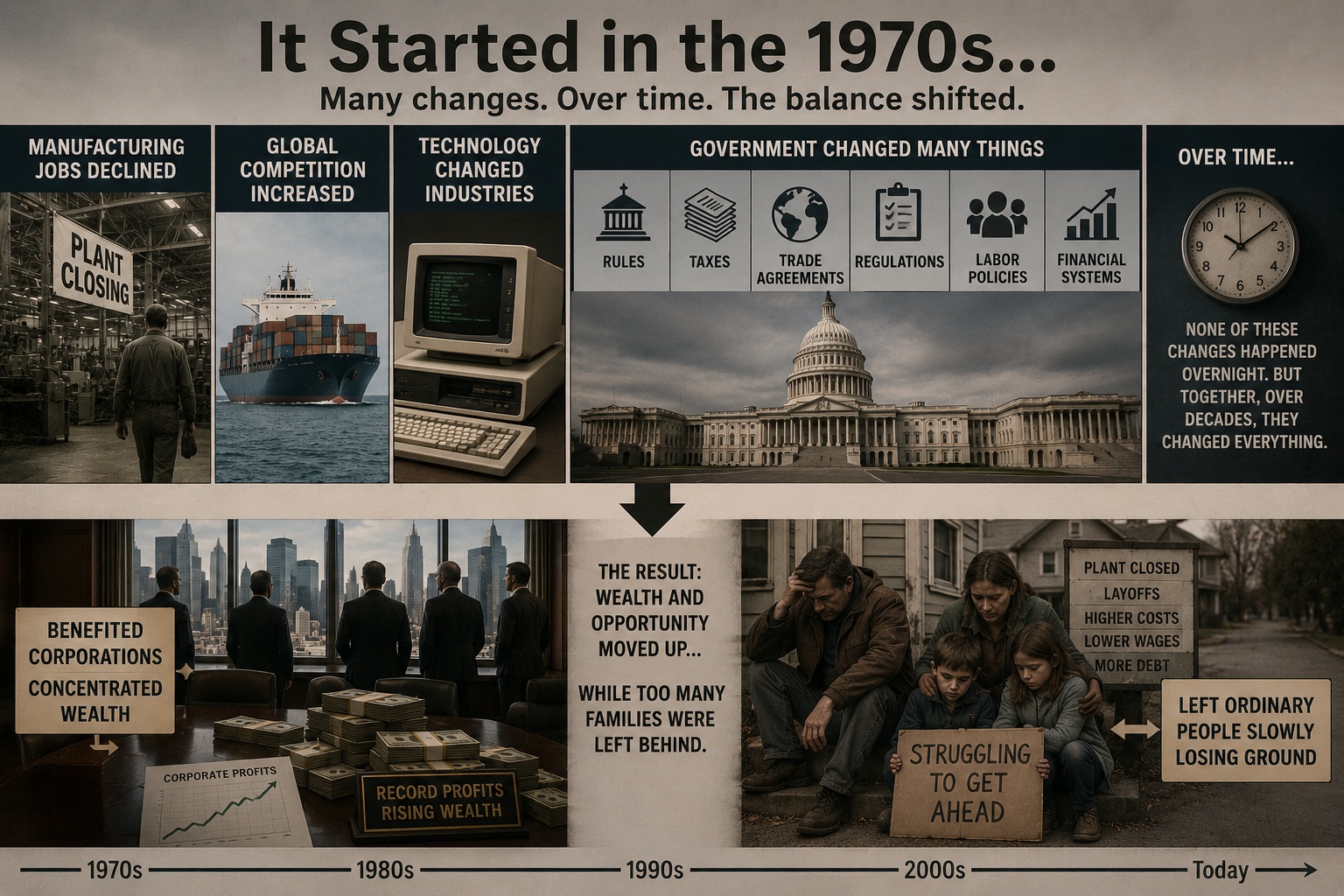 But over decades, something happened that people could feel long before they could explain it. Productivity kept going up, corporate profits kept going up, stock markets kept going up; but for many ordinary families, the feeling became…
“Why does it seem like I have to run faster just to stay in the same place?”
Then another strange thing happened; people started being told things like: “The economy is strong.” But many folks thought “That may be true. But it doesn’t feel strong here.” Because people don’t judge life by GDP or CPI or S&P. People/families judge life by the answers to questions like:
- Can I buy a home?
- Can I save money?
- Can I survive an emergency?
- Will my kids do better than I did?
And for many people, confidence in those answers weakened…life didn’t match the messaging floating all around them.
Now, before I jump straight to anger and blame, which won’t really solve the problem, let’s think carefully:
- Corporations did what corporations do: they pursued profit.
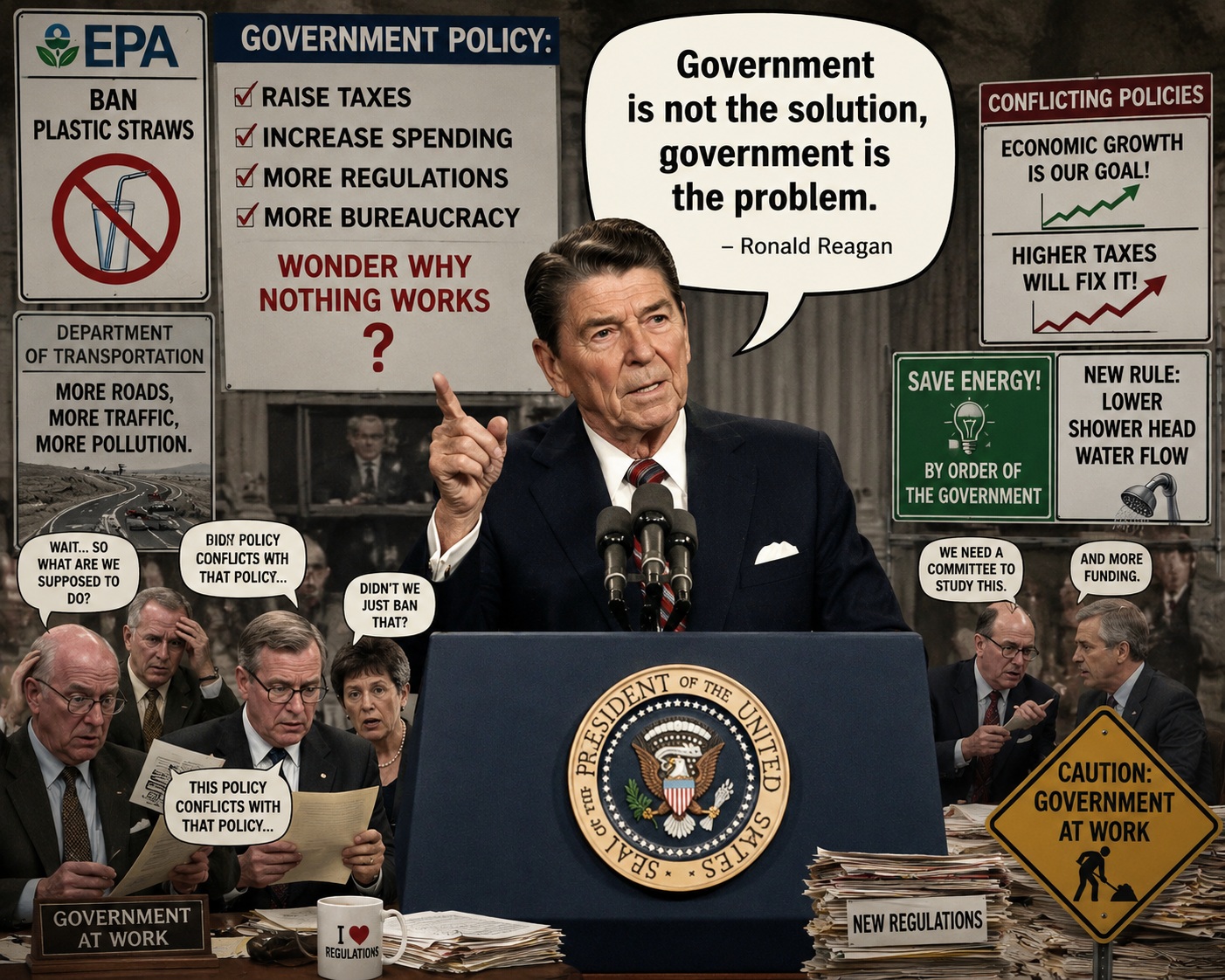
- Governments did what governments do: they made rules, changed rules, and reacted to pressure and campaign contributions.
- Technology did what technology does: it changed the value of work.
None of these things individually shrank the middle-class and grew the lower-class. But together, over almost sixty years, they slowly changed where the rewards went.
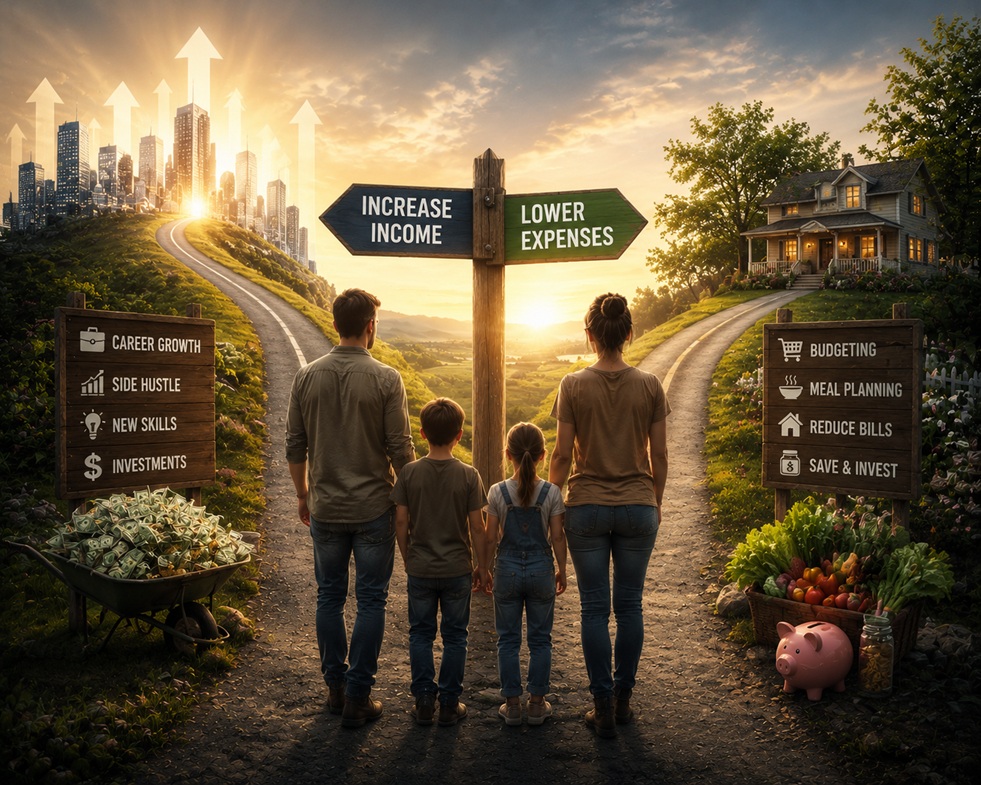
So how do we fix it?
Not by tearing everything down. Not by pretending capitalism failed. Not by pretending government can save us.
The goal isn’t to punish success. The goal is to make sure more people can participate in it. A stronger middle-class doesn’t come from taking away opportunity. It comes from expanding it:
- More ownership.
- More affordable housing.
- More skills.
- More businesses started.
- More pathways into solid middle-income work.
- More ability for ordinary people to build wealth instead of merely survive.
Because at the end of the day, this isn’t really about GDP, stock markets or inflation charts. It’s about whether a kid growing up today can someday look at their own children and say, “You’re going to have a better life than I did.” Because once a society loses faith in that idea, it starts losing something much larger than money. It loses its soul.
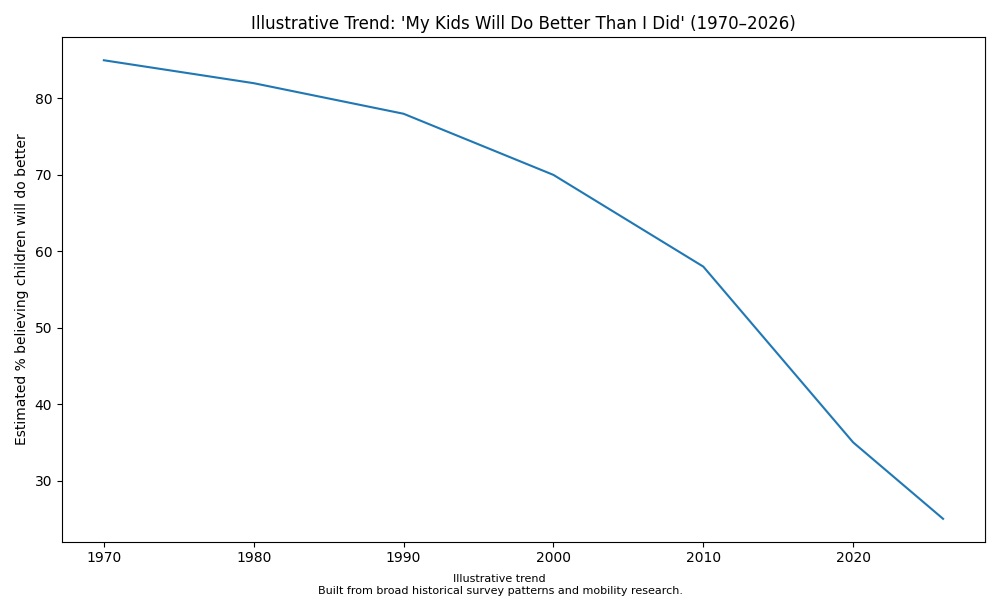
Will my kids do better than I did?
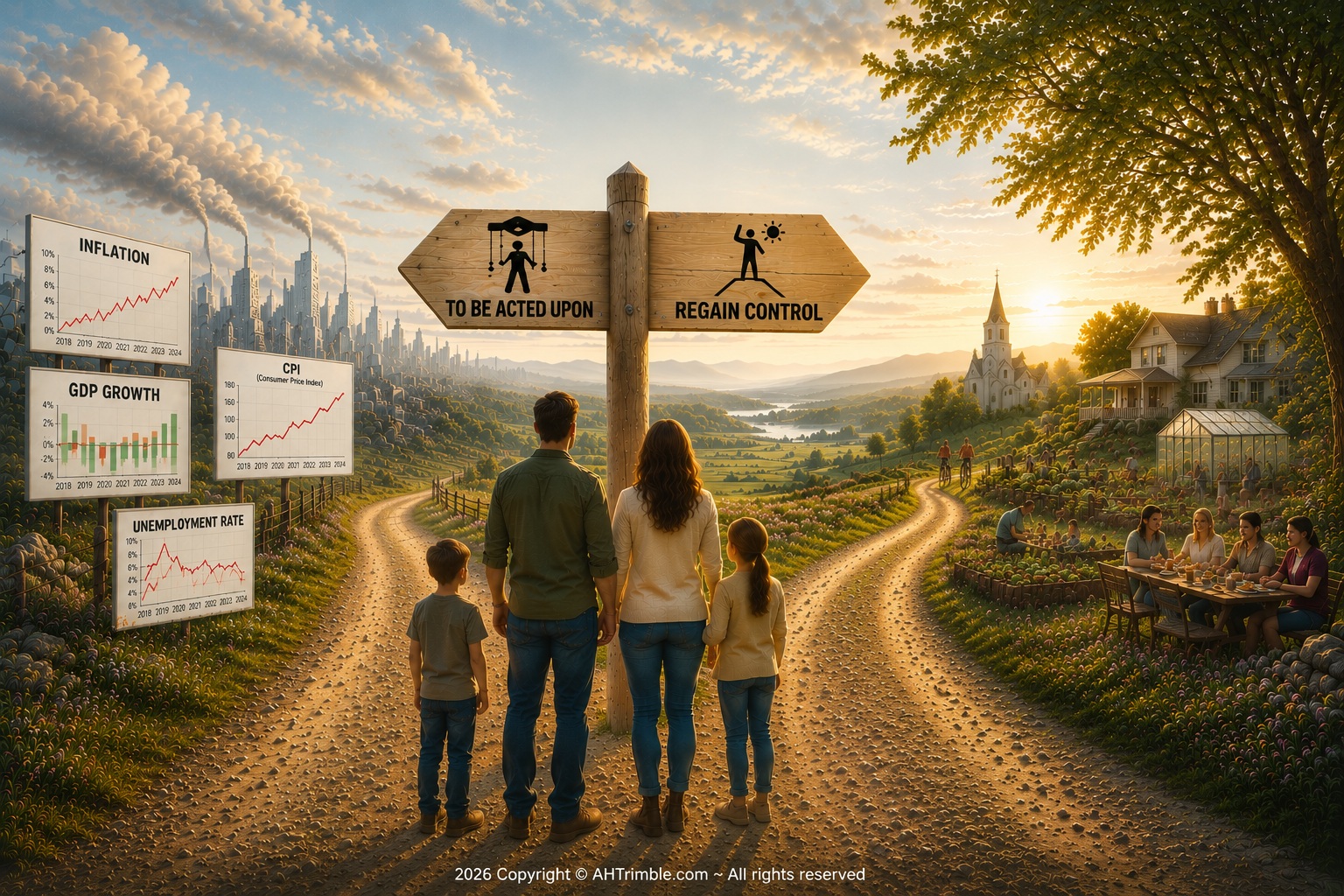
Maybe we have spent too much time waiting for politicians, corporations, experts, or someone else to fix things.
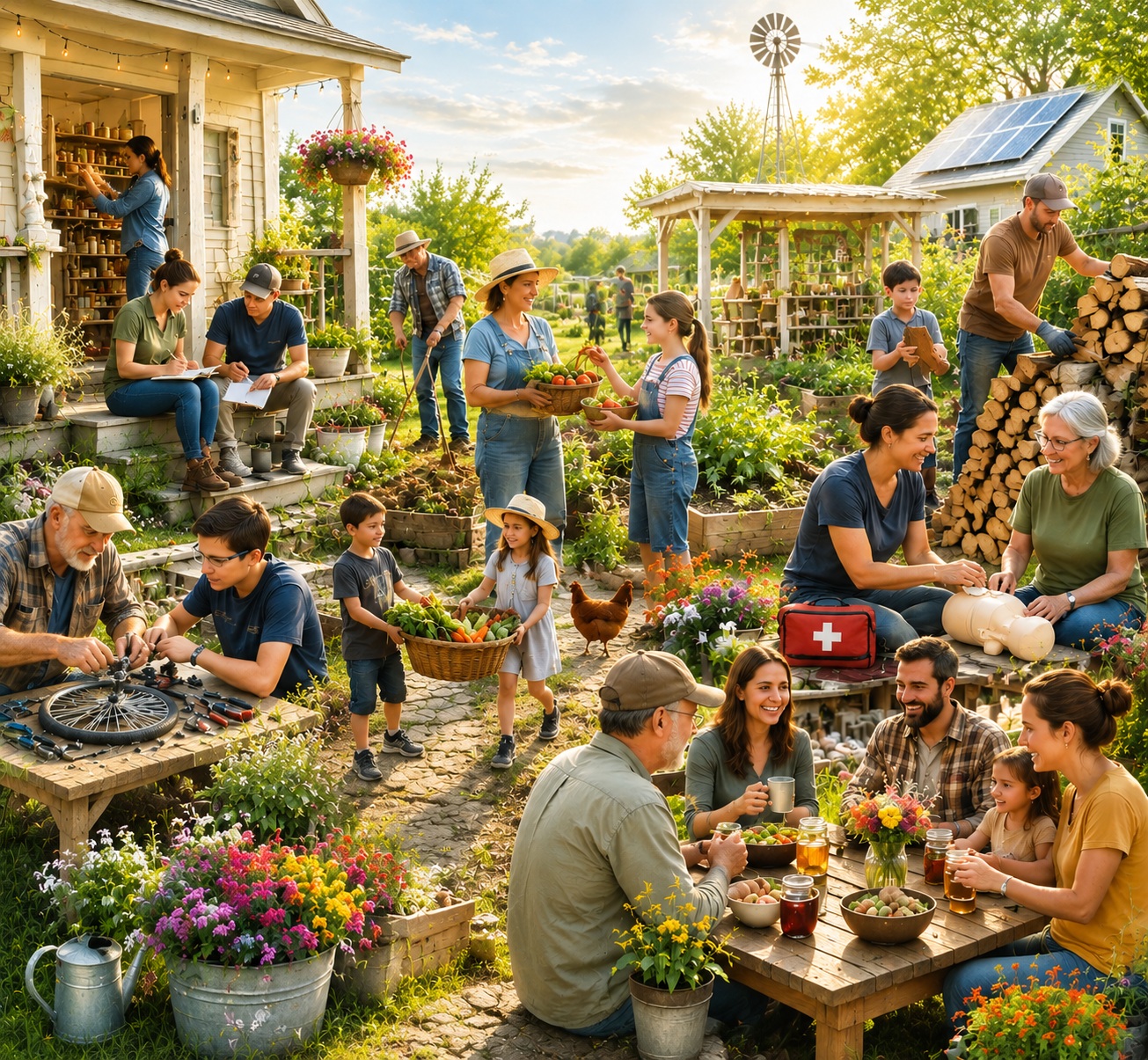
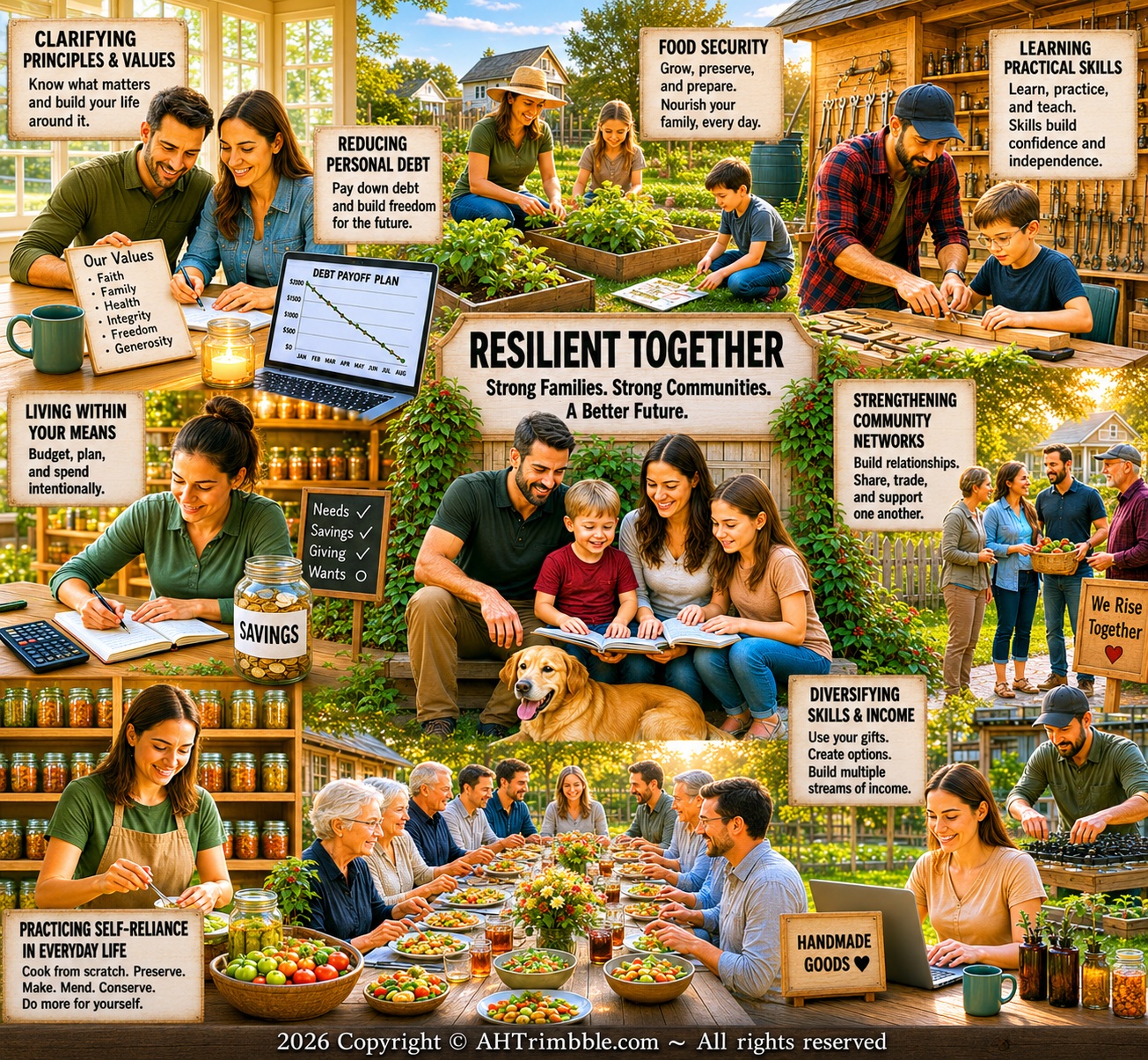
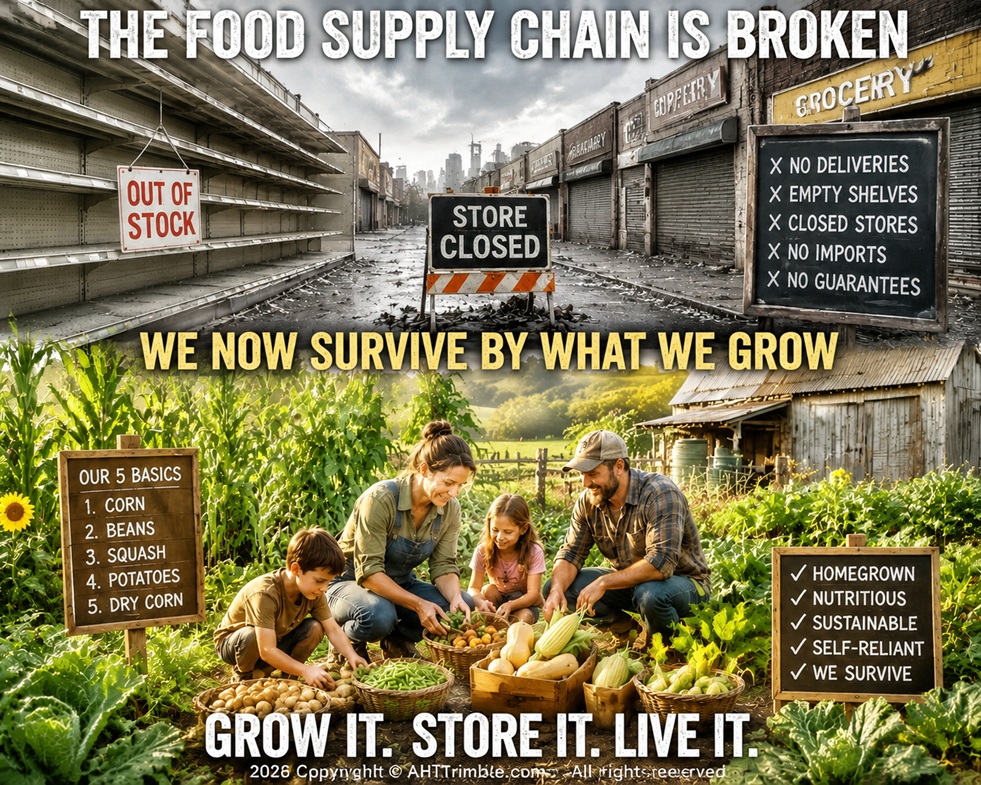
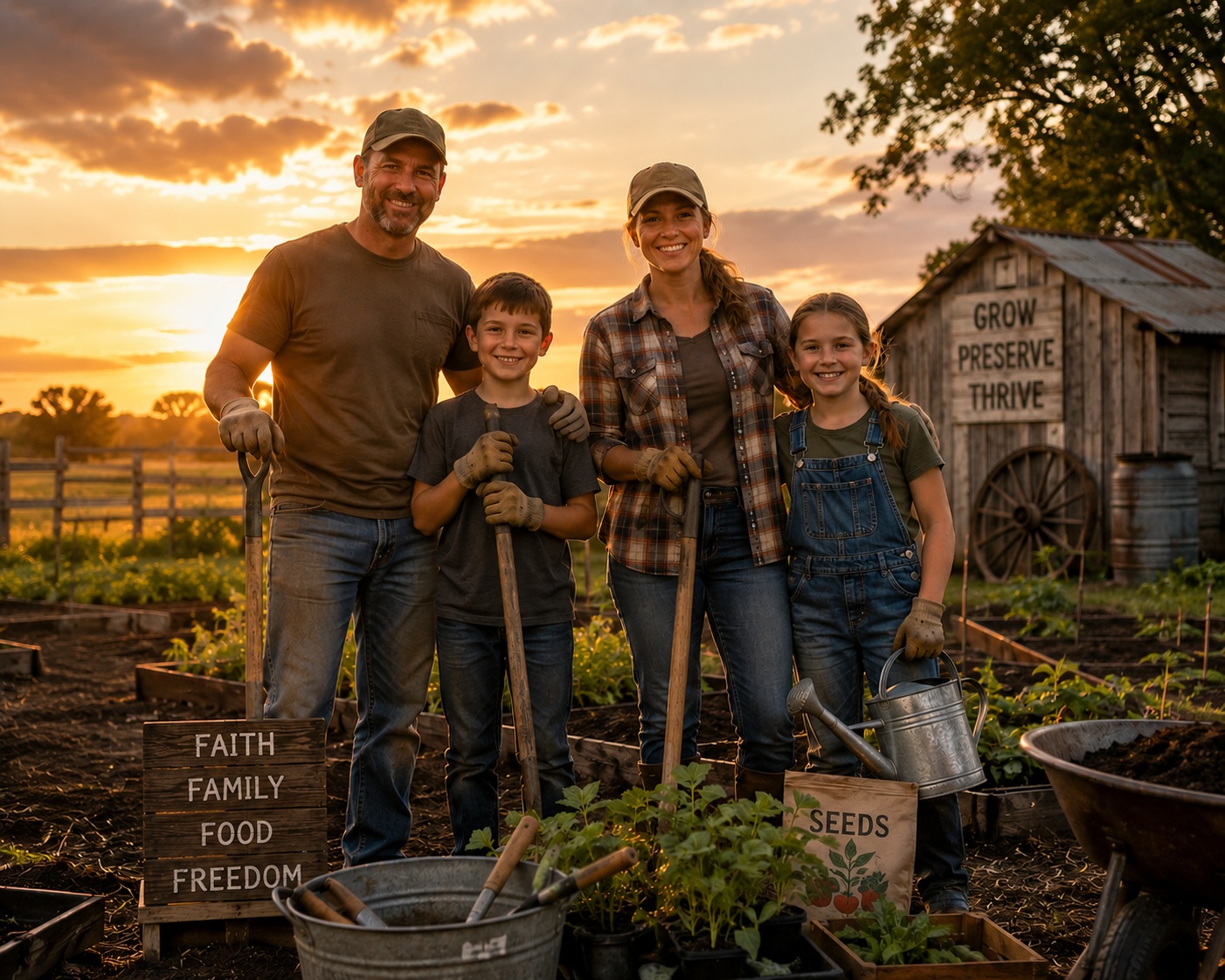
Maybe we forgot something simpler…countries are not built from the top down. They are built from millions of ordinary people doing ordinary things like raising children, helping neighbors, teaching what they have learned, building businesses, growing food, and loving our neighbors.
Maybe America was never really started by powerful people…maybe it was started by and always held together by ordinary people who cared about each other. Cared enough about their liberty, rights, and freedom…and willing to fight for those precious blessings.
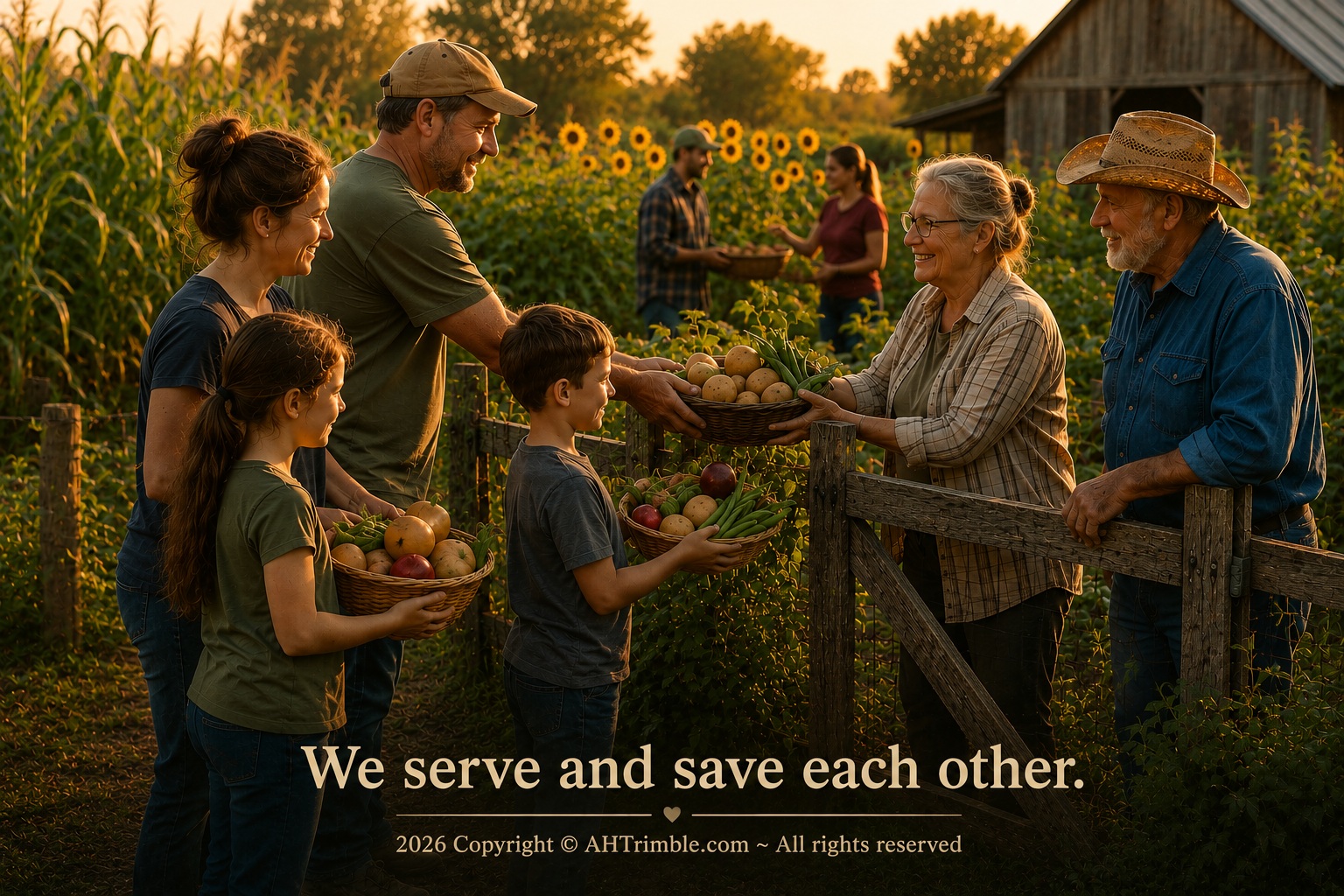
Here’s what I think…no one is coming to save us but we can serve and save each other…one family at a time. I believe the answers were never waiting for us in Washington or on Wall Street. The truth was never on television or on a computer screen. No expert could ever completely get it right because they never knew our family or the family next door. No rule, no law, no regulation, no board room decision can get it right until they consider who and how it affects. They rarely do.
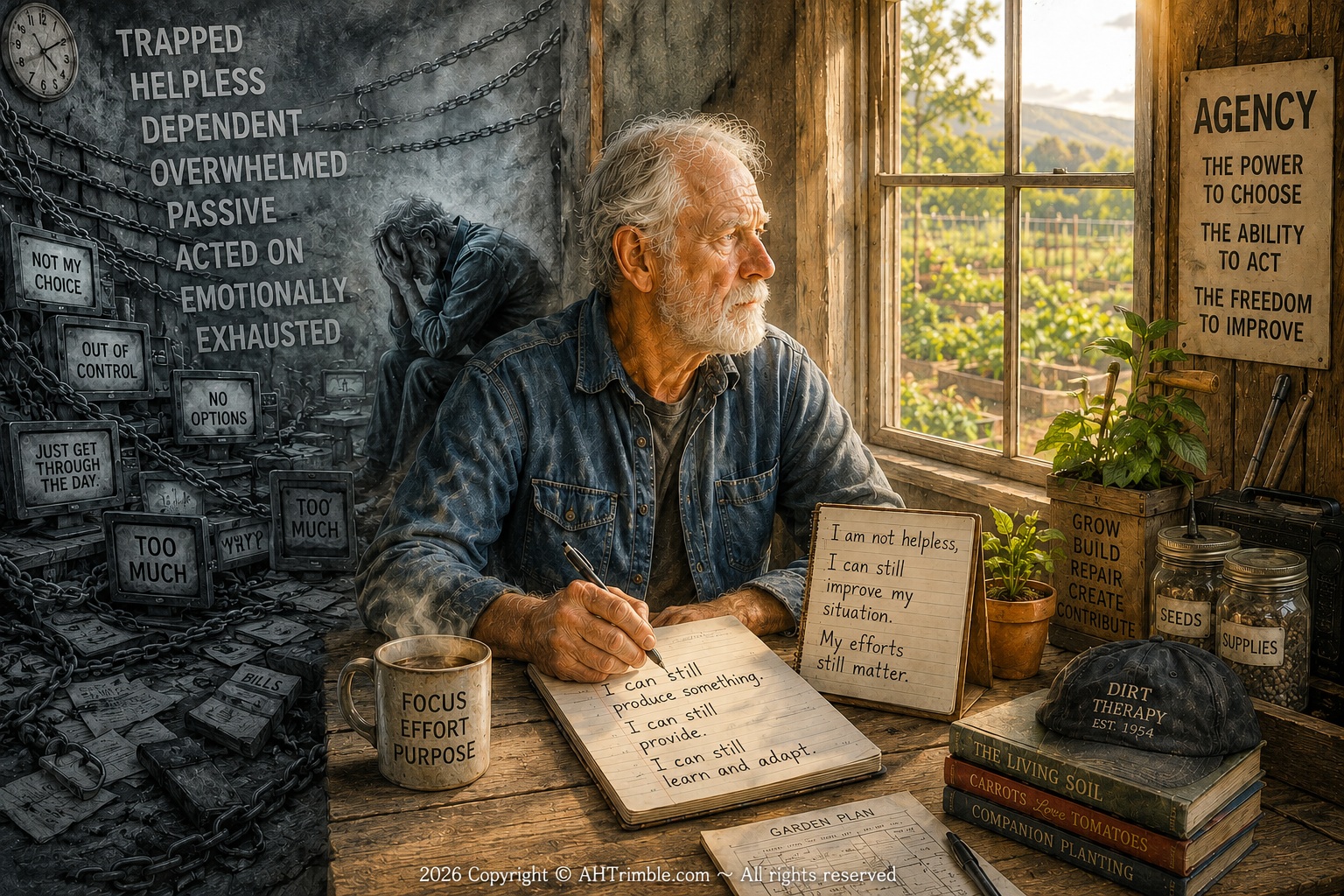
I’m a 71-year-old man sitting there with tears in my eyes because I still care about families, neighbors, and the next generation and the one after that. And that is not a sign that something is broken inside of me. It may be a sign that something inside me is still very much alive.
If you are moved by any of this 5-part article, if you feel something stirring in your soul…then maybe something inside you is still very much alive too.
Maybe we have been looking in the wrong direction. Maybe we -you and I- are the answer.
Maybe we are and have been the “fix” all along. Not because we are powerful, not because we are wealthy…not because we have all the answers. But because every good thing that has ever held a family together, held a community together, or held a country together started with ordinary people deciding to care. Deciding to help, deciding to love, deciding to become more.
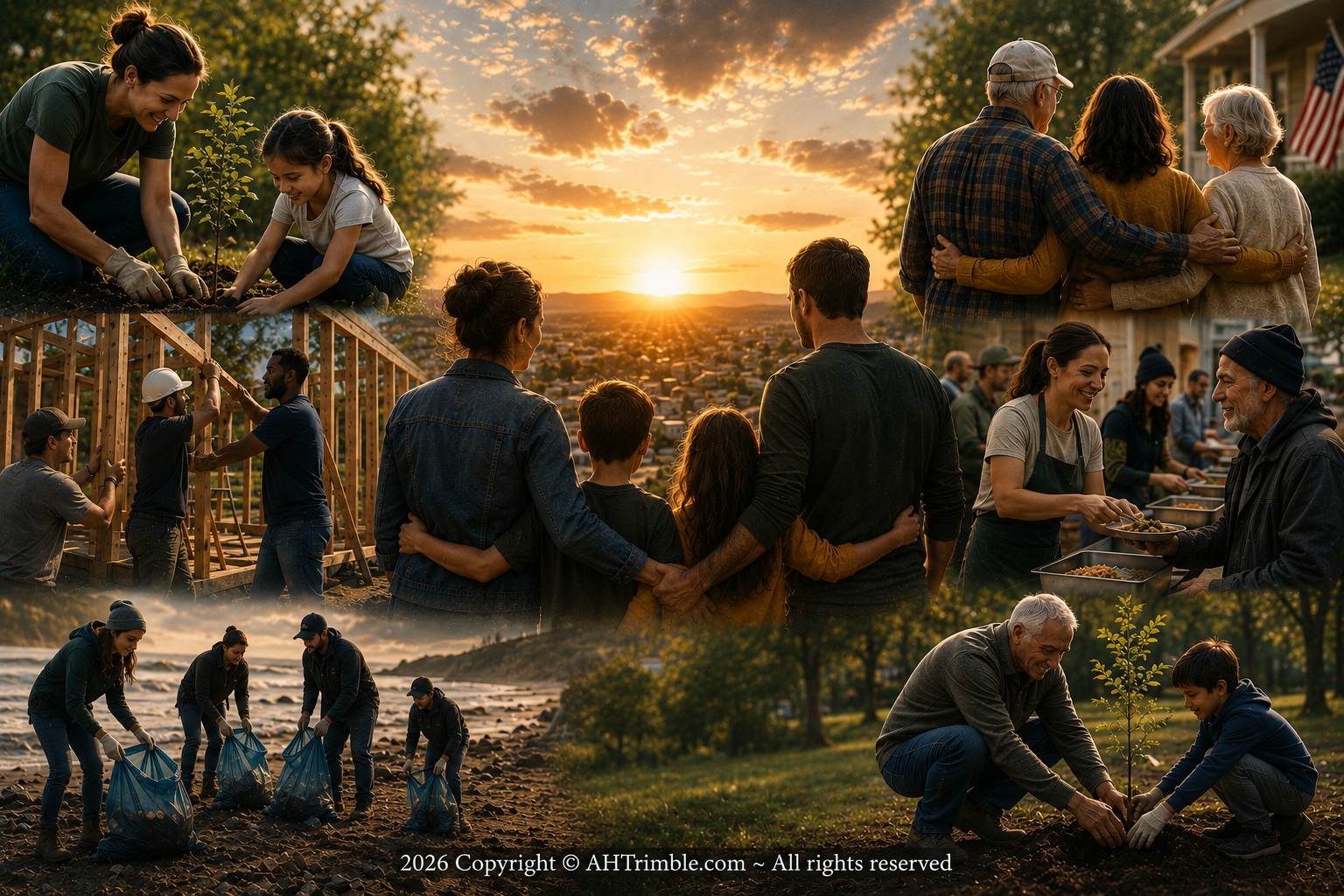 No one is coming to save us…but we can serve and save each other…one life, one family at a time.
Articles in this Series –
- Economics 101 – Part #1 of 5
- Economics 101 – Part #2 of 5
- Economics 101 – Part #3 of 5
- Economics 101 – Part #4 of 5
 2009 - 2026 Copyright © AHTrimble.com ~ All rights reserved
No reproduction or other use of this content
without expressed written permission from AHTrimble.com
No legal, economic, or financial advice is given, no expertise to be assumed.
I may receive compensation from advertised/mentioned products on this website.
See Content Use Policy for more information.
Disclaimer:
The thoughts and opinions expressed in these articles are based on personal observations, experiences,
and independent research. They are intended for informational and thought-provoking purposes only.
I am not an economist, financial advisor, attorney, accountant, or licensed professional.
Nothing contained herein should be considered financial, legal, investment, or tax advice.
Every family’s situation is different, and readers should do their own research and
seek qualified professional guidance before making important decisions.

These writings simply reflect one person’s attempt to better understand the challenges facing
ordinary families and explore practical ideas related to resilience, preparedness,
personal responsibility, and regaining control over everyday life.

































 A.H. Trimble - Emergency preparedness information for disasters and grid-down