Situational Awareness (SA)

Situational AwarenessOne of the most important elements/principles to emergency preparedness is Situational Awareness (SA) and I refer to it quite a bit in articles. Actually, SA is essential for all the other principles/aspects of emergency preparedness to work properly. Without high-quality SA…all your other training and preparedness efforts are pretty much worthless.

I began writing about SA for preppers back about 2012. In 2015 I wrote an in-depth series of articles that was entirely geared for preppers. And it all promptly disappeared when the site crashed a few years ago.

Yes, I resurrected them and reproduced the articles in the form of “pages” as a topic under the “Principles of Preparedness” in the main menu bar. I made sure the articles were all on the Table of Contents page as well. But, a person has to go digging for that information to find it…something that many people aren’t willing (or can’t) do in today’s fast paced world with limited time. And, because the articles were produced as “pages” vs “posts” they don’t appear under “Situational Awareness” menu item on the left of each page.

Well, I am going to change that…starting today. I am going to reproduce the “pages” into “posts” after I’ve done some editing and updating to each page. Then when all the articles are completed and posted I will turn it into aWildland Firefighters face risk and threats in daily job PDF file for those who wish to save them and even print them for your reference material.

Why am I such a proponent of SA? Simple…my life depended on it…and the lives of those I led. In my former professional life if my SA wasn’t at the top of its game I could get injured or die. And the same was true for the men and women I led. In the later part of my career I taught higher level SA courses to leaders.

It wasn’t much of a stretch for me to see that SA was essential to being a successful prepper. Food storage is great! Having water stored is a good idea. First Aid training is smart. Weapons and training is important. But all of that is 100% useless without quality SA to know what is going on, what to do, and when to do it.

As we see what is going on all around us in the world today with the pandemic, the politics, the violence, and the civil war…well, this topic seemed fitting and appropriate for the here and now.


<click here to read the first Situational Awareness article>


2009 - 2020 Copyright © AHTrimble.com ~ All rights reserved
No reproduction or other use of this content 
without expressed written permission from AHTrimble.com
See Content Use Policy for more information.

Threats, Risk, & Mitigation: Part 4

In this series of articles based on threats and risks to the “prepper” I have covered a lot of ground. My goal was to provide all preppers a Grid-Down anarchy lawlessness riotvalid and reliable system of threat/risk assessment by which those risks/threats could be ranked. Once ranked, you can design a plan to mitigate the associated risks and threats for any given event.

Back in the Introduction I identified the two parts that threats/risks pose to the prepper, they are; 1) probability, 2) severity. And you state it as, “How likely will the event occur from now and how severe will the outcome be?”

We do have impact through manipulation of probability and severity and thus can reduce the events impact on us, our family, our group and our community. And to more fully understand how that happens I went through the vehicle accident mitigation efforts and how companies and government reduced both the probability and severity of vehicle accidents. You can do the same when it comes to planning for the events that will plunge you into an emergency, disaster, or even a grid-down event.

In “Part #2” I touched on the Concern Level and the time-frame in which a plan needed to be created. The Concern Levels are Little, Moderate, Serious, and Critical. Obviously all levels to be mitigated but the Critical concern level needs to be addressed, a plan devised to mitigate the problems…and to do so quickly.

In my last article I wrote about what I feel are the most pressing issues that my family and I are facing at this particular time. Based on the ratings I assigned to each potential event here are the events in order of concern with the highest concern first:

When I charted it out in “Part #3” it looked like this –

Threat Matrix PersonalSo now is the time to figure out how to mitigate each event. For learning purposes I will go in reverse Concern Level order.

Heart Attack –

Reduce the probability of occurrence & time frame: I eat reasonably healthy, exercise regularly, have a complete Heart Attack is a prepper concern, risk, threat during grid-downphysical every three years. I have also educated myself on what the warning signs look like. I also don’t go too far beyond what I feel are my physical limitations. I am married and go to church which also statistically reduces my chances of a heart attack.

Reduce the severity should it occur: Those around me daily are trained in CPR. In our little group of friends that hangout together we have a couple of well trained medical folks. I came across a bottle of “nitro” that is part of my medkit as well as aspirin.

EMP or Nuclear Strike –

Reduce the probability of occurrence & time frame: There is nothing I can do to affect this item except at the ballot EMP Nuclear Strike is a concern, threat, risk for preppers during grid-down.box. I vote libertarian which tends to lend itself to voting for the person least likely to use a nuclear weapon on someone else, and thus, the other country to use a nuclear weapon on us. Considering the only use of a nuclear weapon was at the hands of a very liberal/socialist/progressive/democrat and same for the near use of one, I feel I am doing the right thing.


Reduce the severity should it occur: I live in an area that is not attractive to a direct strike. I have tools and gear that can be used without power. I have some gear that I have taken modest steps towards protecting against an EMP strike.

Invasion of USA –

Reduce the probability of occurrence & time frame: There is nothing I can do to affect this item except at the ballot Invasion of USA is a concern, threat, risk for preppers during grid-down.box. I vote for the person least likely to get us into a situation where we have foreign troops landing on American soil. Note: I think it is a virtual impossibility that any country, or combination of countries, can or will invade the USA.

Reduce the severity should it occur: I looked at the disruptions that were likely to occur in this event. They were: food distribution disruption, communications break down, power disruptions, martial law, violence and potential for occupation. To mitigate these I have taken the following steps: 1) I have food storage and the ability to grow more. 2) I have various capabilities to obtain information via emergency radio, I have Ham radio capability as well as alternative means of communicating. 3) I have the ability to provide minimal power via generator and solar. 4) I have the ability to “bug-in” for a sustained period of time. I have obtained skills to assist me in resisting martial law. 5) I have means by which my family can defend itself against violence. 6) We have multiple levels of planning to “bug-out” to alternative locations that are less likely to be occupied.

Epidemic / Pandemic –

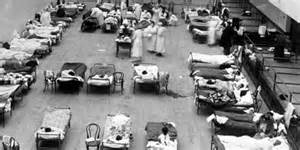
Reduce the probability of occurrence & time frame: I have no opportunity to affect either of these events on any Epidemic Pandemic is a concern, threat, risk for preppers during grid-down.reasonable scale. On a family scale we can self-quarantine for a substantial amount of time removing our exposure to others. We have personal protective equipment that can add a layer of protection should we be forced to be around potential carriers. We have multiple levels of planning to “bug-out” to alternative locations that are less likely to be occupied.

Reduce the severity should it occur: We have a basic supply of over-the-counter medications. We also have a supply of basic antibiotics. We have a significant supply of vitamins to supplement our immune system.

Stock Market Crash –

Reduce the probability of occurrence & time frame: I have no control and no input that can prevent the stock market Stock Market Crash is a concern, threat, risk for preppers during grid-down.from crashing.

Reduce the severity should it occur: While we do have some percentage of our retirement accounts in mutual funds, those funds are managed with a certain degree of safety above that which affects the stock market in general. We have the ability to move our stock based mutual funds into “cash” funds with a single phone call and trigger points set to do such. We don’t have all of our retirement funds in stock market related investments. We have some in “cash equivalents” that can be redeemed for cash almost instantly. We have other funds that are in precious metals, other commodities, and real-estate.

Retirement –

Reduce the probability of occurrence & time frame: We don’t want to reduce the probability of this event, we Retirement is also for prepperswelcome it.

Reduce the severity should it occur: We have retirement accounts and other investments that will carry us through retirement vs. dependence on Social Security. We have food storage. By the time we are both retired we should have our retirement property debt-free. We are working towards being able to provide approximately 50% of our food ourselves. Our retirement home will be off-grid and thus reduce the costs of utilities, etc.

Financial Collapse –

Reduce the probability of occurrence & time frame: I have no control and no input that can prevent the financial Financial System Collapse is a concern, threat, risk for preppers during grid-down.system from crashing.

Reduce the severity should it occur: We have a cash emergency fund. We have a precious metals emergency fund. We have other commodities that have real value. We are working fervently towards a debt-free retirement property. We have part of our retirement investments in a “cash equivalent” that can be redeemed within hours should the need arise.

Flu –

Reduce the probability of occurrence & time frame: I have no opportunity to affect this event on a large scale. On a Flu is a concern, threat, risk for preppers during grid-down.family scale we can self-quarantine for a substantial amount of time removing our exposure to others. We have personal protective equipment that can add a layer of protection should we be forced to be around potential carriers. We have multiple levels of planning to “bug-out” to alternative locations that are less likely to be occupied.

Reduce the severity should it occur: We have a basic supply of over-the-counter medications. We also have a supply of basic antibiotics. We have a significant supply of vitamins to supplement our immune system.

Police State –

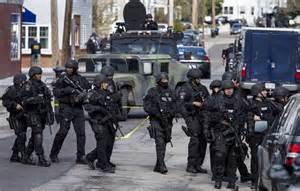
Reduce the probability of occurrence & time frame: This event is inevitable, every civilization that has ever existed Police State Militarization Of Policehas ended up as a police state. We are already well into a police state at this point in our country’s history. It has become institutionally and culturally embedded. There is no reversing it. However, that being said, I can be aware of it currently, and each step in the future where it gets worse. I can seek out those political candidates that oppose it and vote for them. I can protest steps that entrench it even more (i.e. military vehicles, automatic weapons, grenade launchers, etc. being given to local police departments). Finally, I can speak of it whenever and wherever appropriate to those who will listen to reason and logic, helping to make others aware of it so they too can take steps to resist it. Preppers need to fight against the police state.

Reduce the severity should it occur: This is a tough one. I can basically take all the “Severity” steps listed above and place them under this single event. I must have the following ability:

1 – Ability to defend myself and my family against oppression and violence.
2 – Ability to provide medical care to my family, group and community.
3 – Ability to communicate with others outside of normal media and communication channels.
4 – Ability to provide food without normal dependence on the regular food distribution chain.
5 – Ability to provide, filter and purify water.
6 – Ability to provide a minimal amount of power outside of the normal power grid.
7 – Ability to identify and group together with others who also wish to resist police state occupation (i.e. martial law) and organize accordingly.
8 – Ability to “bug-out” to alternative locations where the police state might not be as bad.

To be able to accomplish that list of missions/tasks, I need to:

1 – Have a sufficient supply of weapons and ammunition on-hand.
2 – Have sufficient medical training and supplies.
3 – Have multiple layers of non-standard communications capability.
4 – Have food storage and ability to grow a sustained food supply.Oath Keepers fight against the american police state.
5 – Have water storage and the ability to obtain more. Plus have filtration and purification capability.
6 – Have a generator, stabilized fuel, and the associated technology to use it. Have a solar generator and properly sized storage capacity.
7 – Find people that feel like I do and coordinate a response plan.
8 – Identify people outside of my area that are willing to enter into a reciprocal agreement to take in each other should the need arise.

What was interesting that I am sure you may have just recognized is this…

“Prepare for the worst and hope for the best!”

By preparing for the worst possible scenario that is inevitable you actually have prepared for all the other potential events. The only difference is what event to prepare for first.

I would suggest going through your list of Potential Events and rate each one. Then chart them out so you can see preppers need to Take Action to prepare for grid-down emergencies and disasterswhich your greatest threat with the most risk is. Once that is identified start looking for what the individual components of the event are. Now, take that list and start identifying what you can do to limit the probability of the event from occurring, or should the even occur what can you do to reduce the severity of the impact it will have on you, your family, your group, and your community. The resulting list will give you clear indication on where you should focus your time, energy and money.

I would suggest that you not look beyond the “community” level at this point. Actually, I would start with the steps to reduce the impact to just your family. Once that is firmly accomplished then move on to your “group” and then finally “community” can be your final goal.

I hope this series of articles has helped you with a valid and reliable way to identify threats/risks and how to minimize their impact through preparedness activities. As I close this series of articles I would propose to you that this system will also work in any environment where risk/threats must be assessed and mitigated. That would especially be true to mission planning. In the planning process identify the risks associated with the mission. Then work down the list of each risk on how to reduce the probability that the risk would occur, and then if it occurred how could the severity of impact be reduced.

This is a valuable tool in the prepper’s toolbox, good luck!


2009 - 2020 Copyright © AHTrimble.com ~ All rights reserved
No reproduction or other use of this content 
without expressed written permission from AHTrimble.com
See Content Use Policy for more information.

Threats, Risk, & Mitigation: Part 2

There will be threats and risks to you and your family during any emergency, disaster or “grid-down” event. This is the second article in a series designed to help you systematically identify those threats Grid Down Chaos violence threats and risks during emergencies and disasters riotsand risks, then rate them according to the potential affect they can have on your family. Once that is established it makes it clear what your preparedness priorities are (or should be) and how to make your plan.

In the previous article in this series, I introduced the Threat Matrix and ran through a brief exercise on how to use it. The value in such a valid and reliable systematic approach to defining and identifying threat potential is without equal. If you don’t know and understand the threats you will face, how do you ever expect to properly prepare for them? If you haven’t read the first article I would highly suggest you do so now. <Click to read the article now>

Here is the Threat Matrix that I introduced previously –

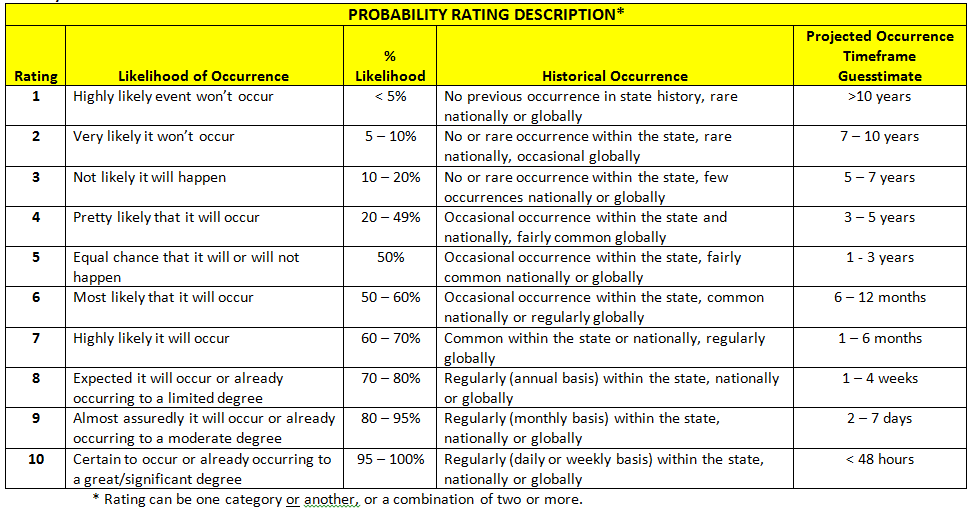
risk managment for preppers - Threat Matrix for probability and severityIn the exercise in the previous article I asked you to just guess when rating the “Probability” and “Severity” aspects of the chart. Now I will give you some concrete definitions to go by. You can use mine or use them to give you ideas on developing your own definitions. Either way, once you are done, you will have a valid, reliable, and consistent approach to defining risks and threats.

Threat Matrix - Probability rating definitionsThis chart gives you clear guidance on how to define the “Probability” rating and what the “Timeframe” outlook will be. This will give you consistency when rating threats and risks to future events.

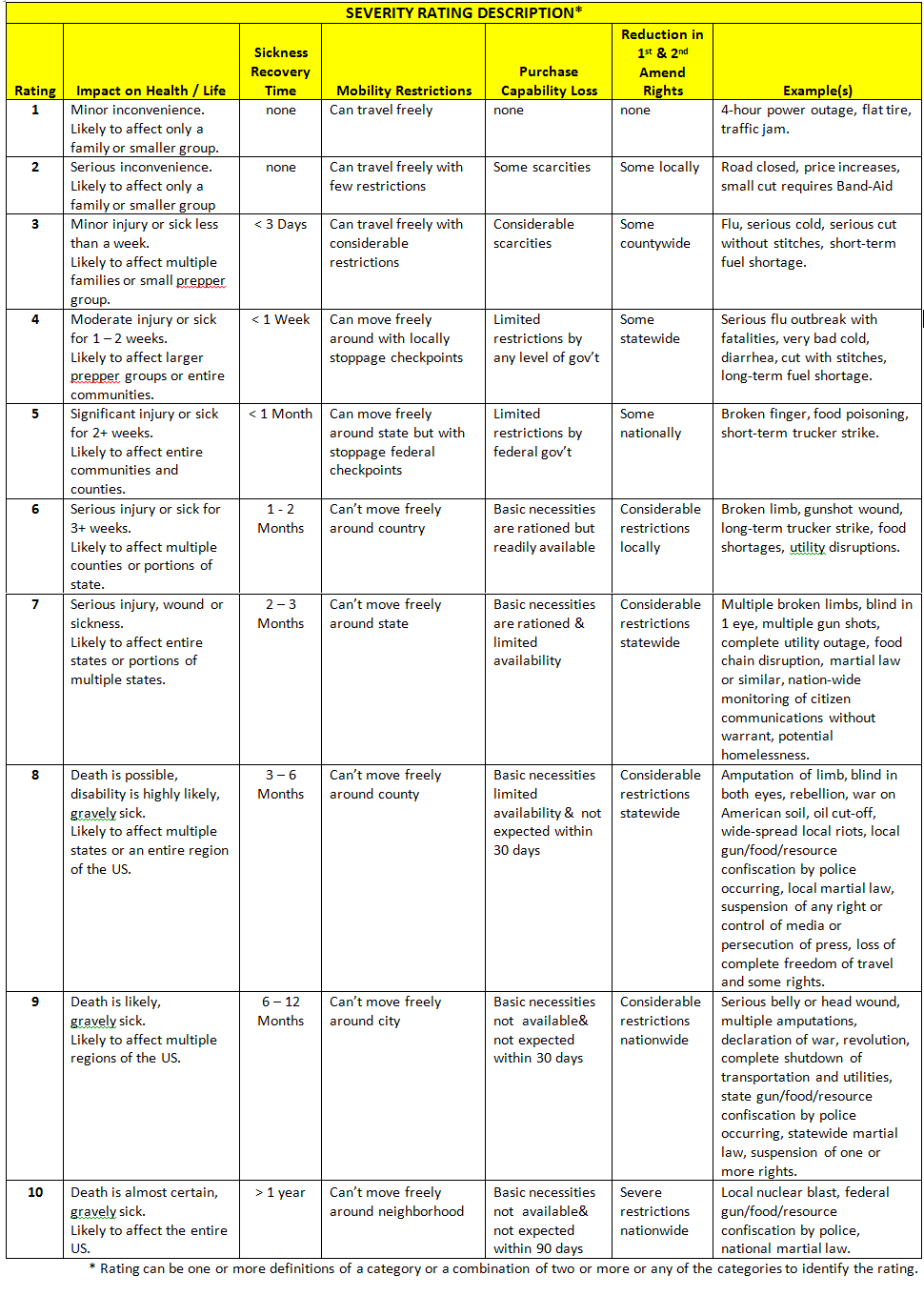
The next chart gives you clear definitions of the potential “Severity” or impact of the event –

Threat Matrix Severity Rating chartThis chart gives you clear guidance on how to define the “Severity” rating. This will give you consistency when rating the severity of impact of threats and risks to future events.

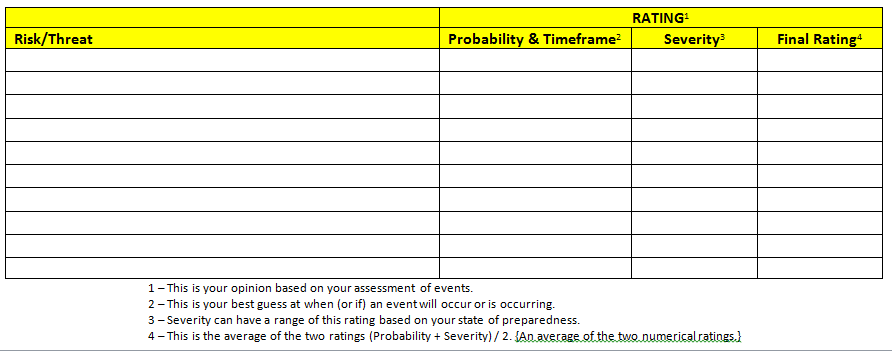
The next chart gives you guidance on step #1, listing and rating each threat or risk that you perceive you are facing –

Threat Matrix WorksheetHere is an example –

Threat Matrix Worksheet ExampleHere is your homework assignment, list each threat and risk that you feel you, your family, your group or Homework for prepperscommunity will face during emergencies, disasters or “grid-down” events. Then rate each item for probability and severity. Add the two numbers together and divide by 2 for the “Final Rating” in the worksheet.

Yeah, I know. It looks like a bunch of school work. And you are right, it is “prepper” school work. If you didn’t learn valid and reliable ways to properly assess risks and threats how else would you do it? Seriously!

Now, one more piece of the puzzle before I close this article, the mitigation that should take place for each category of risk and threat that appear in the pretty colored Threat Matrix.

Concern Level and Mitigation Efforts to be taken –

little concern to worry about risk and threat for risk managmentLittleMaintain awareness of these events, their timing and potential to move-up the scale should be reviewed and discussed regularly. A plan should be developed and discussed identifying the events and the potential trigger points that could move them to a more severe or higher probability rating and the resulting impact. These potential events should be formally reviewed at least every 3 – 4 months for movement; weekly in times of emergencies, disasters or “grid-down” events.

Moderate concern for risk and threat for risk managmentModerate: A written plan for corrective action must be completed within 60 days, mitigation begun within 6 months and completed within 12 months. The action plan must include steps to avoid the potential for serious injury, disability and the potential for death for the more significant events. A written plan should be developed identifying the potential trigger points that could move them to a more severe or higher probability rating and the resulting impact. These potential events should be reviewed at least monthly for movement; weekly in times of emergencies, disasters or “grid-down” events.

Serious Concern about risks and threats for risk managmentSerious: Corrective action must be taken quickly and decisively within 30 days to prevent significant sickness, injury or to cope with significant infrastructure break-down. Monthly status monitoring of these potential events must take place. A written plan on the criteria and trigger points must be developed for steps to take should the situation worsen. Additional correction actions to be taken must be implementable within 24-hours should a situation worsen. These potential events should be reviewed at least monthly for movement; daily in times of emergencies, disasters or “grid-down” events.

Critical concern for risk and threat for risk managmentCritical: Immediate corrective action required within 10 days to prevent immediate or imminent death or permanently disabling injury. Daily status monitoring of these potential events by leadership must take place. A written plan on the criteria and trigger points must be developed for steps to take should the situation worsen. Steps to take must be written and made known to all family/team/group/community members. Actions to be taken must be implementable within an hour should a situation worsen. These potential events should be reviewed at least weekly for movement; at least daily in times of emergencies, disasters or “grid-down” events.

I hope this has helped you understand how risk & threat assessment can help you think clearly, rationally and logically when it comes to prepping. With this system you can correctly figure out what your biggest threat/risk is, how likely it is to occur, how severe of an impact it will have on your family and what to do about it.

In the next article in this series I will present my top nine risks or threats that I feel are worth identifying and rating in the Threat Matrix. Then I will explain how to “mitigate” the risk or threat. Look for this coming article, it will be worth the time to read!

2009 - 2020 Copyright © AHTrimble.com ~ All rights reserved
No reproduction or other use of this content 
without expressed written permission from AHTrimble.com
See Content Use Policy for more information.

Threats, Risk, and Mitigation: Introduction

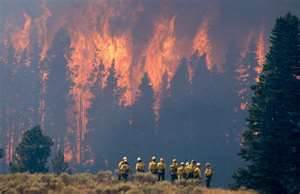
In my day job I was responsible for ordering my folks to take risks; Wildland Firefighters face risk and threats in daily jobsometimes we risking our lives. It’s just what we do…and we were OK with that. It was our duty.

As “preppers” we must also understand threats & risks, how to rate them with a valid & reliable system, and then how to mitigate those threats and risks so they don’t destroy our family or group. I will do all of that in this series of articles.

Now, WARNING!…if you like fluffy prepper articles this is NOT for you. This series of articles will requiring thinking and learning. It will require effort. So, if you are a fair-weather prepper giving lip-service to this, if it is simply a hobby, then move on to another website article.

However, if you put in the time and will are willing to learn…you might just learn stuff that could one day save your life…or that of your family.

Moving on…

As firefighters we take the most risk by being unhealthy and driving our fire trucks. Yeah, movies and TV shows Fire Engine Wreck is more serious firefighter risk than getting burnedwould like you to think the greatest risk is running into some burning building, flames licking at our heels, roofs crashing in and the like. But that is TV and movie stuff; our greatest risks are vehicular accidents and not staying in-shape and healthy. When I moved into the wildland firefighting side of things the chance/risk of being in a “burnover” did go up significantly but has not replaced health and traffic accidents as the primary risks.

So what does this have to do with “prepping” and “grid-down?” Everything! Yes, I will explain but I had to set the stage and get your attention first.

So what are some of the ways that you might get sick, hurt or dead when the grid-goes down or a more mundane disaster or emergency hits:violence during grid-down is a risk and threat to your family

  1. Violence
  2. Lack of medicine or medical care
  3. Poor communications
  4. No organization or plan
  5. Dehydration
  6. Exposure
  7. Starving

So, now that you have a general list what do you do? I say you start to narrow down more specifically what exact events might take place to cause those things to happen.

Why do this? So you can take steps to reduce their impact. Why reduce their impact? So you and your family don’t get sick or die.

If you’ve been reading my articles for any length of time you know I like proven and reliable “systems” to guide me in my prepping. Systems greatly reduce mistakes when implemented correctly. And they do so by diminishing the impact of bias and opinion. Both bias and opinion can harm preparedness spending, direction, and plan implementation effectiveness.

I’ve already shared how to set priorities and make effective and consistently high-quality decisions in the preparedness world. That system is called L.I.P.S. and you should take a moment to read about it if you haven’t already.

OK, I listed above some of the ways you can become a casualty. And that list comes from events; some are Incidents pose risk and threat that is mitigated through risk managmentdisasters, some are emergencies, and my favorite, “grid-down.” But all of those terms describe a broad category of events, we want to talk about specifics. Doing so will then make it very clear where we want to direct our preparedness efforts and money. The specific events fall into a general systematic definition called “risk.” Each potential event is a risk to our health and safety, and that of our families.

Risk Managment Probability of incident occurringThere are two aspects of risk that we are concerned about; 1) probability, 2) severity.

Probability simply means, how likely the event is to occur. And in the prepper world I extend that to, and in what time-frame relative to now. So I have defined probability as Risk Managment Severity of impact if incident does occurrHow likely is the event to occur and how soon.

The other aspect of risk is severity. Severity is defined as If the event does occur, how bad the outcome will be.

Combined as a complete definition it reads…

“How likely will the event occur from now and how severe will the outcome be?”

Yes, there is a whole lot of “judgement” that can take place when working with that definition. But not to worry, I will give some guidance on how to reduce “guestimates” and deal more with sound judgement.

Now that we have identified the two main players in “event risk” and the yardstick to judge the probability and Risk Mitigation by reducing probability and or severityseverity, we can discuss how to increase our chances of surviving the identified event with its associated risks. And it is actually very simple two-step process; 1) reduce the probability that the event will occur, 2) reduce the severity of impact to our family. That process is called “risk mitigation.” And the process is best described by example:

In the early 1960’s safety experts became very concerned about vehicular accidents and the growing fatality and injury rates. So they embarked on reducing both; and they did so by looking at how people were getting injured and being killed. Then they began to look at ways to reduce the probability of vehicle accidents and reduce the severity of accidents should they occur. By using the two-prong approach they knew that should they be successful, fewer people would die and/or be injured.

Probability that a vehicle accident would occur – How did they approach this aspect over the last 60 years?

  1. Increasing the driving age.
  2. Requiring driver training for new drivers.
  3. Adding side mirrors.
  4. Improving roads, signage and traffic lights.
  5. Back-up warning.
  6. Lane encroachment warning.
  7. Auto-braking.

Severity should a vehicle accident occur – How did they approach this aspect over the last 60 years?

  1. Seat belts.
  2. Shoulder belts.
  3. Nader pins in car door frames.
  4. Crumple zones.
  5. Air bags in the dashboard.
  6. Side air bags.

Each step they took reduced the probability that a vehicle accident would occur, and if one did occur, the severity to those inside the vehicle would be reduced. I am sure you could apply that same thought process to any number of aspects of life, including your working environment. OSHA has made a whole industry and legal system doing so.

How does this system apply to prepping? Exactly the same way!

Let’s do an example to test that statement. Many, if not all disasters, would present the risk of lack of water supply. Finding water during emergency and disasters is risky and a threatSo the identified risk is “water supply.” How probable is a safe and stable water supply affected by any given emergency, disaster or grid-down event? I can tell you this, any grid-down will stop any municipal water supply pretty quickly; same goes for most disasters. And try buying bottled water even during an  emergency event. So the probability of lack of water supply is almost assured.

So, how do you reduce the probability that you would run out of water for your family?

  1. Water storage.
  2. Water filtration capabilities.
  3. Identifying a close-by water source (stream, lake, river, run-off pond, etc.).
  4. Drill a well or install a large capacity storage unit.

So by identifying ways to mitigate the probability that your family will suffer from lack of water supply you are coming up with solutions to a problem. But what about the severity aspect of no supply of safe drinking water?

If you think about it, it becomes pretty plain. No water supply means dehydration. Dehydration leads to incapacitation…and death pretty quickly thereafter.

But now that you have identified the probability of it occurring and the severity of it occurring you are in a better position to make decisions on time, effort, and budget considerations when dealing with preparedness priorities. Water supply would be a pretty high priority.

So for an exercise to better show how this would work let me introduce the Threat Matrix –

risk managment for preppers - Threat Matrix for probability and severityWithout getting into any formal definitions, take our list of threats that I discussed earlier and rate them according to the scale of 1 – 10 for probability and severity on the chart above as it relates to you and your family as of right now. And this will be for any emergency, disaster or “grid-down” event you can think of. Or you can combine those three possibilities together. Don’t worry about the exact definitions of the terms Probability and Severity. Just make your best guess. We will go over the terms in more detail later. The threat list items are:

This is my rating for events and associated risks that I think would occur and how they would affect my family right now.5 basic threats for emergencies disasters grid-down preppersThreat Matrix-and basic risks for emergencies disasters and grid-down for preppers

So the “matrix would now look like this –

risk managment for preppers - Threat Matrix for probability and severity5 basic threats for emergencies disasters grid-down preppers

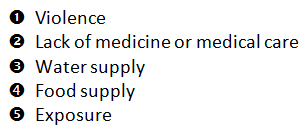
So, taking a look at the chart, ask yourself, “Based on the level of concern on the chart, what should we work on first?” Well, it becomes clear for me what my primary risks are –Violence during grid-down, emergencies, and disasters is number one #1 threat and risk

  1. Violence
  2. Lack of medicine or medical care
  3. Water supply
  4. Food supply
  5. Exposure

So I identified the risks and set them in priority, it is up to me to then Risk Managment Mitigate by reducing probability severitydefine how to mitigate those risks. For me it would be pretty obvious that mitigating the “violence” risk would be my #1 priority right now. And how do I do that?

  1. Learn about Situational Awareness (SA).
  2. Identify specific violent risks through SA and mitigate those risks.
  3. Have a weapon for each member of the family and they are well trained in its use.
  4. Keep a low profile, not drawing attention to the family or house.
  5. Leave the area.
  6. Don’t tell anyone about our preparedness capability.

I hope that this makes sense to you. My goal is to give you a clear way to identify the risks you and your family have as you prepare for emergencies, disasters and grid-down. This system, when properly applied, will give you a way to competently identify risks/threats and then design a plan to reduce the risk. And reducing those risks is a matter of reducing the probability that it will occur and reducing the effects on your family should it occur.

In the next post I will give you the way to define probability and severity to make your Threat/Risk Matrix more valid and reliable. I will also show an example of using this same system and apply it to larger scale events. Yes, we will look at events and determine which are the most likely to occur. When we are done doing that you will be able to identify the individual risks for each. And you will then see which preparedness priorities are right for you and your family. Then you can develop your plan.


2009 - 2020 Copyright © AHTrimble.com ~ All rights reserved
No reproduction or other use of this content 
without expressed written permission from AHTrimble.com
See Content Use Policy for more information.

Risks, Threats, and Mitigation

I posted a series of articles on Risks, Threats, and Mitigation last year. I had originally posted those articles way back probably 5 years ago. When I resurrected the articles I posted them as “pages” under the “Principles of Preparedness” menu option on the main menu bar. But, they can’t be found on the left hand menu items and I neglected to include them (until today) on the Table of Contents page.

Yeah, that means the information was really hard to find. And that is simply unacceptable for me.

So today I am going to post each of those articles as separate posts, update the menu items on the left, and update the Table of Contents page as well.

I would strongly encourage you to read the articles. The information they contain could prove very useful in today’s unstable social climate.

To read the first article in the series <click here>


2009 - 2020 Copyright © AHTrimble.com ~ All rights reserved
No reproduction or other use of this content 
without expressed written permission from AHTrimble.com
See Content Use Policy for more information.

Objectives and Priorities (Part #2)

Three days ago in Part #1 in this two-part series of articles I went into detail about Leader’s Intent and how to set SMART objectives. And yes, I explained why this subject was relevant. But, it will be up to you to decide how it applies to your prepping.

I can imagine some folks started reading the article a few days ago and became disinterested quickly. Or after a few paragraphs of reading some people may have become bored. And that is OK, this subject may not be for everyone. Or, some people may already know the material well enough. But, the information contained in the previous article coupled with today’s information is extremely valuable for group/team operations.

It is nice to have some cans of food stored, a gun or two, plenty of ammo, and other prepping gear. But, do you know how to bring a group together to accomplish life-saving goals or how to set priorities correctly?

Can you do so in a high-stress environment of an emergency, disaster, or grid-down? No fear! I explain how you can do just that…with confidence in your process and your decisions.

If you haven’t read the previous article three days ago you should before reading this one because today’s article builds on that one.

Recapping Part #1 –
  • A leader must be clear in stating the “intent” of all missions/tasks.
  • All mission and tasks must be realistic.
  • When setting objectives use the SMART system.

Now let’s move on…

Setting Priorities –

There is a significant need for being able to set correct priorities in high-stress situations – which most emergencies, disasters, and grid-down events are…high stress. Without being able to set priorities consistently and correctly, a mission or group is doomed to failure. Priorities are also based on a mutual belief foundation that the entire team has agreed to.

While possibly stating the obvious, different cultures do have different beliefs…hence, different priorities. The need for the team to share a common set of beliefs and priorities is paramount.

Without an agreed upon set of beliefs and priorities I propose that any team would struggle to make good decisions. And I propose that is especially true when it comes to high-stress, high-value decisions.

Upon what basis would/could/should common priorities be set?

Without a common set of priorities, how easy would it be to make decisions? I suggest it would be increasing difficult to make decisions that would be acceptable to everyone as the stress increases. Conflict would ensue, splits would emerge, and finally the fracturing of a group or team.

Now, we could get into a whole discussion of “morals” as it relates to beliefs and priorities but that is best left for a conversation around a campfire in your own camp. For the purposes of this article I will stick to a non-religious, non-cultural based concept that has proven to work in emergencies and disasters. Over my decades in emergency services I have seen a system that works every time, in every situation. Yup, it works every single time…it is that good of a system. It is called L.I.P.S.

Back in 2005 I was at the National Fire Academy in Fredricksberg, Maryland attending a week-long course to be an instructor of instructors for all levels of ICS (100 – 402). ICS was relatively new to the structure fire department world and I was there to acquire national certification to teach ICS to students and to be able to certify other instructors. During that class the head of the national ICS course development team asked us to peer review the new ICS training materials for FEMA/DHS. Now that was interesting!

One of the areas we spent a lot of time on was the L.I.P.S. system of priority setting. It was something new to just about every aspect of emergency services at the local level. Our class developed the “S” part. But it was too late to get it into the materials. Fortunately I have my notes from that review process.

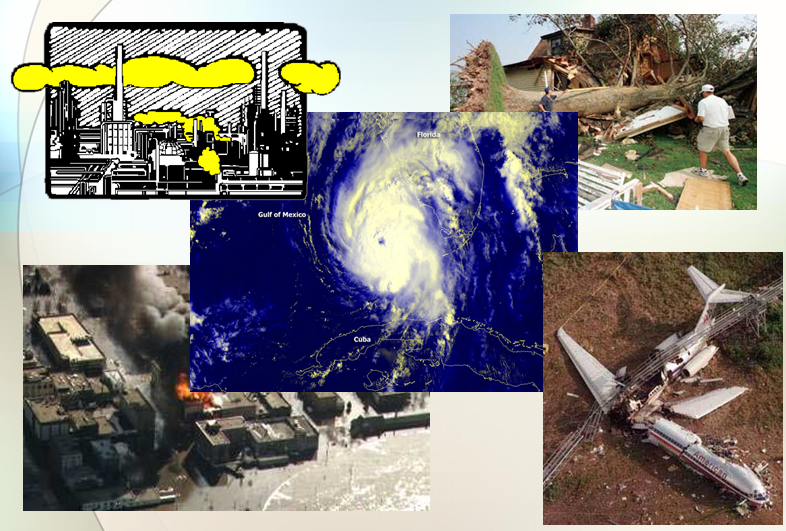
The goal was to develop and refine a decision making system that would be consistent across every emergency situation that first responders would find themselves in. It had to be applicable to hurricanes, structure fires, HazMat scenes, wildfires, floods, building collapses, plane accidents, train wrecks, vehicle accidents, bridge collapses, etc. It had to be universally applicable in every conceivable emergency situation. The outcome was L.I.P.S.Learn more about LIPS

L.I.P.S.. stand for –

  • Life Safety
  • Incident Stabilization
  • Property Conservation
  • Societal Restoration

Life Safety – The physical safety of people is always paramount. Stated again…People’s safety is always the number one priority. There are two areas of thought on this and they vary rather widely. I refer to them as; 1) traditional, 2) New Age.

The traditional view of “life safety” puts the safety of the person being served as the most important. The person’s life doing the act of service is secondary. Example…In my structure firefighting world we would risk our life to save the life of a person trapped in a house fire. No, we wouldn’t do it stupidly, but in the traditional view, the other person’s life (the victim) had great value and was worth taking a significant risk. Even to our own potential peril.

The New Age view of life safety says the value of the person providing the service (responder) carries far more value than the person needing the service (victim). The “risk” threshold was much lower, “reasonable risk.” In other words, the rescuer would take far less risk trying to save someone, placing a much higher value on their own life then that of the victim. The new fad of thought manifested itself when I saw the newer firefighters being hired (mid-1990’s) making statements such as, “Hey, I have go home at the end of the day.” Or, “My life is more important to me than theirs.” The New Age folks also use the justification that “If we get killed or injured doing our job, then who will take care of the victims?”

There is a middle-ground…mitigating risks. There is always risk in any high-stress dangerous situation such as emergencies and disasters. Actually, even the “stress” itself carries risk to a person’s health. So the key is mitigating the high-risk actions down to “reasonable” or “acceptable” risk categories. And that is a decision, a standard, that each team must set for themselves.

Let me be clear, all emergencies, disasters, and grid-down events will have high-risk elements to them. It is impossible to avoid risk but a smart person will mitigate those risks. But, sometimes risks simply must be taken. Which ones? Well, how about rescuing your child from your burning house and risking your own life? How about saving your wife from an outlaw gang and risking your own life? Is that worth the risk, almost certainty that you might die trying?

That is the decision you must make…Is the act worth the risk?

Whichever philosophy you adhere to, traditional or new age, the common ground is life safety is the number one priority whether it be life safety or the person you are trying to save or yourself, the rescuer.

Incident Stabilization – This principle is pretty easy to understand when you realize that when an emergency or disaster has occurred, people are having a bad day. One of your primary goals is to ensure that you don’t make it worse. In other words…you want to stabilize what is happening so it doesn’t continue to escalate in terms of loss of life and property.

A good way to view this is through an example –

Incident Stabilization!
Notice how they stabilized the vehicle from rolling over while they worked he accident.

As a firefighting crew we would respond to a house fire. It was important that we arrive on scene as quickly as possible. Upon arrival we could then attempt to rescue people inside the structure or begin firefighting operations if no victim’s lives were at risk. However, none of that would be possible if the fire engine driver drove recklessly and had an accident on the way to the fire. If an accident occurred there could be multiple injuries, fatalities, property damage, and then tying up more emergency personnel that would need to respond to the accident vs. the house fire. In this situation…don’t make a bad day (house fire) worse by having an accident and not being able to get the fire engine and crew to the fire.

Another example would be a wildfire burning in industrial area with woods on three sides. On the fourth side was a large number of propane tanks in close proximity to a gas station. Where should the firefighters focus their actions? Of course, prevent the fire from affecting the propane tanks and gas station. If the wildfire spread to that facility the wildfire would transition to a structure fire and a HazMat situation, potentially on a large scale.

Your actions should help remedy a bad situation, not make it worse.

Property Conservation – This particular principle changed into “property/environment conservation” not long after the course material was released. I personally would rather it state “resource conservation” but LIRS wouldn’t sound as cool as LIPS. Regardless, the principle is…while responding to a problem don’t destroy anything you don’t have to.

The reasoning behind it is fairly straight forward. Everything has value; don’t destroy anything if you don’t have to. I will add to that, because you may need it later. Bottom line, don’t tear stuff up unless there is a really good reason to.

The perfect example of this comes to mind taking me back once again to my structure firefighting days. One of the early methods of fighting a house fire was to enter a house with the water flowing from the nozzle as you searched for the fire itself. The concept was to push the heat and smoke away from the firefighters. However, it also put thousands of gallons of water in the home doing tremendous damage.

That tactic was changed to not flowing water till you found the base of the fire. Then you put only enough water on the base of the fire to extinguish it. That saved 10’s of thousands of dollars of damage to the home. I remember clearly one day my crew rolled up on a house fire, the fire was located in the kitchen. My nozzleman and another firefighter pulled the 1-3/4” attack hose and headed for the kitchen. Before they could spray any water, and flood the kitchen, I had the driver run the 5 gallon pressurized water extinguisher to us. I used about 3 gallons of water/foam mixture from the portable extinguisher to put out the fire. Attacking the fire with the large hose would have probably dumped 500 – 750 gallons of water into that same kitchen. But, we put out the fire with only 3gals of water. Which tactic did less damage?

Don’t destroy or damage any resource you don’t need to, you may need it later.

Societal Restoration – This is a somewhat nebulous principle, even for emergency responders. Naturally, emergency personnel are trained to come into a bad situation and stop that situation from getting worse and not doing further damage. Once the immediate threat has been resolved the responders normally pack up and leave. But, what about the victims? Their problem is only half resolved, maybe the easiest half.

Once again take the example of the house fire. Firefighters come in and extinguish the flames, get the smoke out of the house, and even remove some of the water that they used to put out the fire. But they also did what’s called “overhaul” to ensure there is no more fire, so some of the walls and ceilings now have large holes in them. The last of the fire trucks drive away. Is the nightmare over?

Maybe the imminent threat to life and property is, but is that family immediately back to a normal life? Hardly!

The family now has to secure the home, find a place to live, contact the insurance company, deal with the adjuster, find home repair contractors, have the home repaired, replace damaged personal possessions, and try to salvage family treasures. The fire may have taken a couple of hours, or a couple of minutes, to put out…but it may take months for that family to live in their home again.

Now, take that same concept and expand it to an entire community, town, or state. The idea is to return society, family, or community, to the same condition it was before the incident occurred.

Now let’s restate LIPS this way –Learn more about LIPS

  • The #1 priority is to protect people from death and injury.
  • The #2 priority is to not make a bad situation worse.
  • The #3 priority is not to destroy resources you don’t have to.
  • The #4 priority is to restore the situation back to normal, or better.

Let’s go back to the wildfire jeopardizing the propane tanks and gas station. You are the Captain of the first fire engine to arrive on the scene. What are your priorities?

Here are my suggestions according to LIPS:

  1. Make sure that my crew and fire engine aren’t going to be blown up.
  2. Evacuate anyone from the gas station and propane tank area.
  3. Take action to prevent the wildfire from reaching the propane tanks and the gas station infrastructure.

Notice I took care of my crew, we have to be functional to be effective, and there were no other lives as risk so I didn’t have to put my crew in jeopardy trying to save someone else. Next we had to ensure that no one would be hurt if the fire reached the gas station or propane tanks so we just had them leave the area. Then we got to work stopping the fire.

Does that priority-based action make sense? I protected life, then attempted to stabilize the incident by not letting the fire turn into a major explosion.

Let me do a little hypothetical to make my next point, please indulge me. I have a fence between my engine and the fire. To effectively suppress the fire mentioned above I have to get to the other side of the fire…with the fence preventing free movement. There are a few options –

  1. I could drive the engine across the field and right through the fence. Although doing so would destroy the section of the fence and potentially do an unknown amount of damage to the fire engine. We might even get stuck.
  2. I could drive down the dirt road to the gate about 100 yards away and cut the lock. The gate access would take me about 3 additional minutes during which the fire would spread.

Which is the better decision? I hope you picked #2.

OK, we just pulled up to the fence, it’s locked. We could –

  1. Drive through the gate without opening it, the fire engine could easily do that.
  2. Hook a chain to the gate and the front tow hooks on the engine, then back up the fire engine pulling the gate off.
  3. The nozzleman can get off the engine, retrieve the large bolt cutters, cut the lock, open the gate while we drive through. It will take more time than Option #1, about the same amount of time as Option #2.

Which is the better decision? I hope you picked #3.

Assuming we are cutting the lock on the gate…where do you cut it? Don’t worry, that is a trick question. You actually don’t cut the lock, you cut the link of chain right next to the lock. What you have left over is a lock that still works and a chain that is probably still long enough to secure the gate.

So far, we protected the safety of the civilians in the gas station, and didn’t destroy the fence, the gate, or the lock; and we haven’t damaged the fire engine. Now we can go about the business of preventing the fire from creating an explosion at the propane tanks and gas station.

Next step in our scenario…We’ve been fighting the fire for 5 minutes and have made no headway, the fire is growing and we haven’t had much success in stopping the movement of the fire towards the propane tanks. We are almost out of water, maybe another minute or two of waster is all we have left. The next fire engine is 5 minutes away. What do we do?

But, before you answer that, let’s review LIPS one more time –Learn more about LIPS

  • Life Safety
  • Incident Stabilization
  • Property Conservation
  • Societal Restoration

OK, now go ahead, what do we do?

There could be a number of right answers, but I hope you were thinking that we needed to load up the crew and drive to a safety zone. Since we weren’t being effective in stopping the fire and we were running out of water, it was too much of a risk to the crew and potential damage to the fire engine as well. We had little choice but to leave.

I hope these examples have helped show you how to use LIPS to set priorities and then make decisions based on those priorities. But how does that tie SMART and LIPS together?

Using the same wildfire approaching the propane tanks and gas station scenario, knowing that he only has about 20 minutes before the fire reaches the gas station and propane tanks, the leader does this…

Using SMART he made the decision on what actions to take:

  1. LIFE SAFETY – Evacuate all civilians in the vicinity of immediate danger before the fire can cause an explosion.
    • SEvacuate all civilians in the vicinity of immediate danger within 10 minutes.
    • MEvacuate all civilians in the vicinity of immediate within 10 minutes.
    • AEvacuate all civilians in the vicinity of immediate danger within 10 minutes.
    • REvacuate all civilians in the vicinity of immediate danger within 10 minutes. (The fire won’t reach the area for 20 minutes. All things being equal, this is “realistic” and evacuation is “relevant.”)
    • TEvacuate all civilians in the vicinity of immediate danger within 10 minutes.
  2. STABILIZE THE INCIDENT – Stop the fire from reaching the propane tanks and gas station.
    • SSuppress the fire on the other side of the fence, closest to the fire, before it can reach the propane tanks.
    • MSuppress the fire on the other side of the fence, closest to the fire, before it can reach the propane tanks.
    • ASuppress the fire on the other side of the fence, closest to the fire, before it can reach the propane tanks.
    • RSuppress the fire on the other side of the fence, closest to the fire, before it can reach the propane tanks. (This would be based on the Captain evaluating the probability of success based on his resources.)
    • TSuppress the fire on the other side of the fence, closest to the fire, before it can reach the propane tanks.
  3. PROPERTY CONSERVATION –Don’t damage the fence, the gate, the lock, or the fire truck while approaching the fire..
    • SWhile approaching the fire on the other side of the fence don’t cause damage to the fence, the gate, the lock, or the fire truck.
    • MWhile approaching the fire on the other side of the fence don’t cause damage to the fence, the gate, the lock, or the fire truck.
    • AWhile approaching the fire on the other side of the fence don’t cause damage to the fence, the gate, the lock, or the fire truck.
    • RWhile approaching the fire on the other side of the fence don’t cause damage to the fence, the gate, the lock, or the fire truck. (It is realistic to not cause damage by following fire department policy.)
    • T – While approaching the fire on the other side of the fence don’t cause damage to the fence, the gate, the lock, or the fire truck.

You can see that following the LIPS priority guidance and implementing SMART objectives you can accomplish quite a bit, even in a high-risk, high-stress environment.

Let’s see you put LIPS into action. Answer the following questions –

  • Would you fight fire first, prior to evacuating the civilians in the immediate area? Why?
  • Would you have your firefighters climb over the chain link fence and hand them the hose to fight the fire instead of going through the gate? Why?
  • Would you leave the area and not worry about the fire because it was close to the propane tanks and the gas station? Why?
  • Would you take the time to write down each objective using the SMART template? Why?

Since this is a time-sensitive operation the Captain wouldn’t lead the crew through writing down, discussing/reviewing, and then implementing the plan according to SMART. However, the Captain and his crew would surely be making decisions on what will be done using the SMART principles of objective setting. But they would be doing rather informally and quickly. When time is less critical you can use the full formal SMART process and actually write everything down, documenting each step and task.

As leaders develop and grow into the LIPS and SMART systems to priority setting, decision making and objective setting become second nature and virtually automatic. But, it takes learning, training, and practice to acquire those skills to be able to do that. You can learn it now, or you can learn in when the high-stress, high-risk emergency or disaster hits. Your choice.

I hope I have helped you learn a proven way to set priorities and make decisions on what actions to take. When you experience an emergency, disaster, or grid-down the ability to set priorities and make decisions quickly in high-stress and high-risk environments will be common place. I hope and pray you are a little more ready now.


2009 - 2019 Copyright © AHTrimble.com ~ All rights reserved
No reproduction or other use of this content 
without expressed written permission from AHTrimble.com
See Content Use Policy for more information.