7 Days of September – Introduction

If you haven’t read the post on September 1, 2019 that explains this post…well, go read that post first (91/2019) and then this post will make more sense.

So what is the goal/purpose of this series of articles?

To use seven separate days in the month of September to dedicate to, to focus on, each of the seven areas of emergency, disaster, and grid-down threats…and solutions.

I am not so naive to think that you would be fully prepared after the seven days, but I am hoping you will take the time to gather ideas and thoughts to be better prepared when the seven days is over.

You may already consider yourself prepared…great! However, what I would like you to do is to read each of the seven articles and listen to that little voice inside of you…that still small voice…and follow those promptings. Listen to what you might hear in regards to doing that one more thing that you might not have thought about prior to reading the articles.

And, I also want to throw another idea at you…I want you to think of this as an opportunity to share emergency preparedness with others. None of these articles will be fanatical, extreme, or filled with political ideology. They will be down-to-earth, common sense, practical ideas on being prepared for emergencies, disasters, or a grid-down event. That might just be the opening you have been looking for to reach out to others.  I encourage you to share these articles with folks that you know who aren’t prepared, not prepared enough, or simply have shown an interest in prepping but you needed a place to send them to for information.

What I am not talking about –

Let me take an opposite tact first…I am talking about “events” not “situations.” What I am not talking about are survival situations. An event is where a wide-spread electrical outage occurs and you and your family must then respond to that event. A survival situation is where you must react to being lost in the forest and it will drop to 10° tonight.

That being said, the “event” preparation steps we take will be able to handle most survival “situations.” So in these articles I will concentrate on events where broader principles apply. It is a matter of responding vs. reacting.

Categories of Catastrophe –

My 30+ years of experience as a professional emergency responder tells me there are three basic categories of events to prepare for:

  • EmergenciesHouse Fire
    • Injury
    • Flu
    • Vehicle Accident
    • Heart Attack
    • Job Loss/Retirement
    • Utility Outage
    • Death
    • House Fire
  • DisastersEarthquake
    • Earthquake
    • Wildfire
    • Tornado
    • Hurricane
    • HazMat
    • Flood
    • Epidemic


  • Grid-DownUrban SHTF grid-down survival skills and priorities
    • Transportation Stopage
    • Pandemic
    • Financial or Stock Market Collapse
    • War or EMP Attack
    • Martial Law


Yes, you can add more to the list for each category. You may even want to move a few around from how I have them arranged. That’s OK, at least you are thinking about catastrophe categorization.

As you look at each category of catastrophe you can see how they grow larger in terms of scope of impact. “Emergencies” for the most part affect only a single person or a family, potentially a neighborhood, etc. However, emergencies are fairly limited in scope. As you move to “disaster,” and especially at the “grid-down” level, those events are now affecting people over increasingly larger areas. And in the case of “grid-down” it could/would be affecting potentially an entire country, hemisphere, or the whole world.

Preparation Priorities –

There are a wide variety, almost an endless list, of emergencies, disasters and grid-down possibilities. But amazingly, they all fundamentally contain virtually the same threats in the same priority order:Threats Cause Risks for preppers

  1. Violence
  2. Sickness/Injury
  3. Lack of, or Poor, Communication
  4. Lack of, or Poor, Organization
  5. Dehydration
  6. Exposure (Hyper/Hypothermia – clothing & shelter)
  7. Starvation
Fatality Factor –

Neglecting to properly mitigate these threats/risks in the proper order will result in failure at some point and to some degree. And failure will not be pleasant! Failure can potentially mean fatal or near-fatal results.

Why do I list threats/risks in the particular order? The order is based on the “fatality factor.” Meaning…what can kill or seriously injure you, or your family, the quickest.

Example #1 – The inability of you to defend yourself or your family from an armed man can result in you or a family member being shot. That gunshot wound can be immediately fatal. Starvation can take about 10 – 20 days to kill the normal person. So being shot has a far higher fatality factor than starving to death.

Example #2 – If you are out scouting for water and you fall and gash your leg open resulting in bleeding, then you have a problem of potentially bleeding out. That can occur in as little as three minutes if you have cut an artery and can’t get the bleeding stopped. However, if it is 30º outside and you aren’t properly dressed for it you could potentially die from exposure as well. But, the process of dying from exposure could take hours, maybe days, to kill you. So bleeding to death carries a higher fatality factor than exposure.

The fatality factor is the key to prioritizing threats/risks in emergency preparedness.The things that kill you the quickest have a higher mitigation priority requirement than those that can take longer to be fatal.

Risk Mitigation –

There are two aspects of risk that we should not only be concerned about, but have the ability to influence; 1) probability, 2) severity.Risk Managment Probability of incident occurring

“Probability” simply means, how likely the event is to occur. And in the prepper world I extend that to, and in what time-frame relative to now. So I have defined probability as “How likely is the event to occur and how soon.”

Risk Managment Severity of impact if incident does occurrThe other aspect of risk is “severity.” Severity is defined as “If the event does occur, how bad can the potential outcome be.”

I’ve combined it to read, “How likely will the event occur from now and how severe could the outcome be?”

Yes, there is a whole lot of “judgement” that can take place (and should take place) when working with those definitions as applied to your immediate emergency situation. But not to worry, just make the best judgement you can. Throughout this series of articles I will give you clues, hints, and advice on what to look for and how to make those judgements wisely.

Now that we have identified the two main players in “event risk” and how to judge the probability and severity, we can Risk Mitigation by reducing probability and or severity discuss how to increase our chances of surviving an event with its associated risks. Actually it’s very simple; 1) reduce the probability that the event will occur, 2) reduce the severity of impact to our family should the event occur. That process is called “risk mitigation.”

You mitigate the identified threats/risks by having the ability to:

  • Defend yourself, family and community.will i ever use my emergency preparedness gearPrepperGear-001
  • Provide medical care.
  • Use non-standard communication systems.
  • Use a high-quality organizational system, ICS (Incident Command System).
  • Produce, filter and purify water.
  • Provide basic shelter and have quality clothing available.
  • Provide initial food supply and the ability to grow more.
The Plan –

This article introduced you to a number of vital preparedness principles:

  • Categories of Catastrophe
  • Preparation Priorities
  • Fatality Factor
  • Risk Mitigation

Each of the next seven articles will provide information on each of the seven “priorities.” The articles will appear in the next seven days and then a “summary” article on the 8th day. I look forward to hearing your feedback, suggestions, ideas, and even your complaints.

← Back

Thank you for your response. ✨


note: This series of articles originally appeared in September 2016. I have edited and updated the material in 2019 to be more useful and current. Please ask questions about any of the material as you wish. Also, feel free to post comments on each page as you deem appropriate.


Articles in this Series –


2009 - 2019 Copyright © AHTrimble.com ~ All rights reserved
No reproduction or other use of this content 
without expressed written permission from AHTrimble.com
See Content Use Policy for more information.

What I might do – Part #2

note: If you haven’t read the post on September 1, 2019 that explains this post…well, go read that post first and then this port will make more sense.

So the basis of the article is the first steps to take when we have a hard grid-down. Let me explain the scenario background first:

  1. We have the exact same situation in the scenario world as we do today.Hansens-001
  2. We are talking a family of 5. The Hansen family –
    • Dad (Brad) is 45, 4-year Navy veteran, currently construction project manager
    • Mom (Ashley) is 44, was a teacher, stay-at-home mom
    • Son (Sam), 17, a senior in high school, cross-country runner on track team
    • Daughter (Jenifer), 15, a sophomore in high school, smart, glee club
    • Son (Joseph), 10, 5th grade, smart.
  3. Christian, church goers, limited involvement in community, some involvement in block watch
  4. It is a Wednesday.
  5. School is in session, kids are at school.
  6. Dad is at work.
  7. Mom is out shopping for groceries.

Narrative – Tensions with Russia have been getting worse by the day for the last month. Muslim terrorists really stepped up strikes in Europe, especially France. For the last month there have been numerous attacks on malls, Christian churches, and a few government facilities here in the USA. The neo-cons led by Lindsey Graham are calling for all-out war in the Middle East and for economic sanctions against Russia. Price of oil, natural gas, and gasoline has been steadily going up the last two weeks.

The Hansen family has been working on preps for three years; really dedicated preppers for the last year. The FamilyPlanningMeetingHansens are best friends with the Goodman family (mom & dad, 2 teens). The Goodmans live about one mile away and are hardcore preppers. The Hansens are also friends with the Smiths who live in the same neighborhood one block away. The Smiths (mom & dad, 2 teens & toddler) are so-so preppers, the wife never saw the need for prepping.

Summary of prepping level based on the AHTrimble.com priority system:

  • Hansen family – all “short, medium and long term priorities” plus more.
  • Goodman family – all “short and medium term priorities” plus a couple of the “long term priorities”.
  • Smith family – most “short term priorities”, a couple of the “medium term priorities” and most of the “immediate priorities”.
  • All families have Ham radio communication capabilities.
  • All families have guns and ammo. Hansen & Goodman families are well trained. Smith dad is well trained. Smith mom is afraid of guns.

All the families have a meal together about once a month or so and have gone on a couple weekend camp-outs together and enjoy each others company. They have a very loose “plan” for emergencies, disasters, and grid-down. Smith mom thinks it is all a little whacko but enjoys the group’s activities because of the other women.

At 8am local time this morning a suicide bomber blew themselves up at the entrance of the Pentagon. As 10am local time three Muslim gunman attacked the Mall of the Americas in Minneapolis. The situation is still on-going, gunman are in the mall with a large number of people are trapped in the mall. At lunchtime there were attacks in New York City, Washington DC, Philadelphia, Detroit and Paterson, NJ. All were a combination of suicide attacks and gunman. All of the attacks took place at middle and high schools.

The groups Black Lives Matter and The Nation of Islam are calling for attacks on white people, especially white police officers. CAIR (Council on American–Islamic Relations) is saying that the attacks are against Muslims by the US Government. CAIR is calling this a provocation against Muslims and that Muslims need to defend themselves against police. Tensions everywhere in the US are rising quickly. Schools along the east coast have cancelled classes for the day and sending student home.

At 2pm the New York Stock Exchange announces it will close early at 2:15pm. Oil futures price spike Stock Market Crash is a concern, threat, risk for preppers during grid-down.world-wide. The DOW has been dropping all day, down 1500points, now it takes a dive of another 500points based on the closure announcement

At 2:10 local time a powerful car bomb explodes outside of the New York Stock Exchange killing dozens, injuring over 120, and destroying the entire front of the building. Before trading can be halted on the other exchanges, all indices drop 10% within minutes.

Now, what are the steps this little group should take? Here’s what they started with…

Step #1 –
  • Situational Awareness…Validate the information that is most likely to affect them. There can be a lot going on, but what is really going to affect them and “how?”.
  • Establish communications with all family members and group members (in that order). Exchange information, confirm trigger events.
Step #2 –
  • Make an operational decision of what to do.
  • Get buy-in on the decision by all affected people.
  • Communicate that decision to all group members.

UPDATE: In this case the decision is; 1) pull all family members back to their respective homes, 2) once that is done, reassess the situation, 3) Hansen mom will turn on the mobile Ham radio unit that is already set-up. She will monitor it as well as the emergency short-wave radio and TV for updated information.

Step #3 –
  • Assign one or more people to continuously monitor the situation (observe and orient).
  • Implement the operational decision.
    1. All adults arm themselves with their everyday carry (EDC) weapons. That would include knives, pistols, and trunk guns are loaded and readily available. Smith mom won’t because she doesn’t know how to use a gun.
    2. All adults confirm that their BOKs & IFAKs are at hand and readily available.
    3. All adults check that their communications are working, including handheld radios and cell phones.
    4. Goodman and Smith moms will return home. Once there they will secure their homes.
    5. Hansen mom (Ashley) will pick up their youngest son at school that is close to their home. Husband Brad will pick up the two oldest at high school on the other side of town.
    6. Husbands and wives will check-in with each other when the kids have been secured and are en-route to home. If someone can’t reach their spouse they will check in with Ashely Hansen monitoring the Ham mobile.
    7. No Ham call signs will be used to protect identity. Pre-arranged call signs will be used instead. They are using their ComPlan outline.

UPDATE: Children are secured and everyone is at their respective homes.

Step #4 –
  • Situation Awareness – Reassess the situation.
  • Protect the home and family members against violence by getting all tactical gear ready.
  • Check all communications gear.
  • Fill any suitable containers with water.
  • Families agree on some organizational structure for now.
  • Charge all rechargeable power batteries.

UPDATE: Three shopping malls are four more schools attacked. Rioting breaks out in multiple cities. All schools nationwide have been let out and all classes are cancelled for tomorrow. The President tells people to not jump to conclusions and that this is not the work of true Muslims. Washington DC is put under martial law.

Step #5 –
  • Make strategic decisions. Group meeting is called for dinner at the Hansen’s home. Situation is discussed. Contingency plans are decided upon. Smith mom asks for gun training. Communications check-in times are decided upon. Hansens will continue to monitor the base station. Families head home by 10pm.

UPDATE: Overnight there have been riots in most major cities. Attacks continue, police have been targeted, multiple cities have declared a state of emergency, the National Guard has been called out in 5 major cities.

Step #6 –
  • Situation Awareness and maintain communications. One person from each family have been designated to monitor developments. They will talk at 0800, 1200, 1600, & 2000 to collaborate on what is happening.
  • The families do a radio check on their tactical net every 4 hours.

UPDATE: At 4pm the power goes off for unknown reasons. Rioting has broken out in the local town and gunfire can be heard. Police are overwhelmed and ineffective. Multiple fires are present in town and the fire department is not responding due to threat of violence.

Step #7 –
  • Situational awareness. Families talk via cell phone conference call.
  • Make a decision. Families decide that they are safer as a group. But due to concerns of movement at night, they decide that they will consolidate all three families at the Hansen home by 5pm the next day. They transition will begin at 9am. They will first move the Smith family to the Hansens, then the Goodman family. The wives and oldest child will stay at each home for security until all supplies are moved. The husbands and next capable children will make the move in three vehicles convoying with food and supplies at the same time.

UPDATE: The move is complete, all families are now at the Hansen home. More rioting is reported all across the country. Drug, electronic, and liquor stores are being looted. Muslim mosques, Jewish temples, and Christian churches have been targeted and are being looted and burned. All major cities have declared a state of emergency, National Guard units have been mobilized to those cities as well. Most National Guard units are less than 40% manned. Law enforcement is ineffective. Streets are becoming very unsafe.

Step #8 –
  • Set formal security in-place.
  • Designate first aid responder(s).
  • Create a sanitation plan.
  • Agree upon group organization (ICS).
  • Sec formal ComPlan in-place.
  • Ensure everyone is drinking sufficient water.
  • Establish eating schedule.
Step 9 –
  • Reinforce the house.
  • Coordinate with neighbors and immediate community.
  • Agree on tactical defensive response with neighbors.
  • Contact wider area preppers for information updates.
Step #10 –
  • Bug-out:
    • Confirm location
    • Establish trigger points
    • Create travel plan
  • Bug-in:
    • Establish criteria
    • Create long-term plan
    • Establish trigger point to cancel and return home
Summary –

This has been a nice break from the average article that I have been writing lately, a little creative diversion. But, there is some good information in this article. Summarizing some of the first steps to take during a “grid-down”:

  1. Situational Awareness and make a decision. And then communicate that to all family and group members.
  2. Take defensive actions and prepare to defend yourself and family from violence.
  3. Ready all medical kits and ensure that everyone has a BOK & IFAK with them at all times.
  4. Establish and maintain alternative communications capability.
  5. Organize an interim plan of action and organize the folks that you have.
  6. Make sure everyone is getting some water and food in them.
  7. Plan to shelter for the first night; where, where, and how.

I have intentionally left some gaps and holes in what the families are doing. And, I want some input from website visitors…Now, what else could, or should, the family have done?

Use “reply” to give your input, ideas, and thoughts…

Which Way to go for prepping


2009 - 2019 Copyright © AHTrimble.com ~ All rights reserved
No reproduction or other use of this content 
without expressed written permission from AHTrimble.com
See Content Use Policy for more information.

What I might do – Part #1

note: If you haven’t read the post on September 1, 2019 that explains this post…well, go read that post first and then this port will make more sense.

Quite awhile ago I was thinking about different scenarios of emergencies, disasters, and grid-down events and how they might develop and play out. I just let my mind really go off in a number of interesting directions. Then I caught myself saying “Wow!”

As I tend to do when thinking through a problem, I go to the “worst case” aspect of the problem. Now remember, I have 20+ hurricane seasons I have gone through while I lived in Florida, so I have some real experience in this kind of thinking. So I decided to play it out a little in my mind.

Here was the set-up…

  • A major grid-down event was going to occur.
  • I had 3 hours advanced warning that it would occur.
  • What would I do?
  • What would my wife do?Action Plan for grid-down

I then talked to my wife about this, as well as my best friend who lives in the same city that I do. Then I thought it through some more. Yeah, I do a lot of thinking.

What I came up with was an “action plan.” The list of things I would do in the three hours before the grid-down event and for the 6 – 12 hours immediately after the event occurred. As I built my “to-do” list some interesting points started to surface as well as what were the most important steps that I should take. So this article is the result of all of that thinking, talking, and planning.

Some of this may not apply to you, some of it may be a little overwhelming, some of it may sound outright stupid. So be it. I am putting this out there for you to consider and if some or all it applies…use it, modify it, apply it, and make it your own.

But here are some of the take-a-ways from this mental exercise and its planning cousin.

  1. You have to avoid Normalcy Bias at all costs! When you have the warning that the event will occur, you must take action, no delays.
  2. You must have buy-in of the plan from your spouse. If not complete buy-in, at least not active objection.
  3. When the time comes to pull the trigger on the plan you must do so immediately.
  4. You are going to need help.
  5. When going to the stores the optimum team will be three people. One to guard the vehicle, one doing the “shopping” and one providing security for the shopper.
  6. You must have a cash stash already put aside. Banks and ATMs may not be available.
  7. As soon as you pull the trigger on your plan, your #1 priority is the safety of your family and group. After that is accomplished the next priority is getting whatever cash out of the bank and ATMs that you can, if it is even available.
  8. Do not stop or slowdown completing the items on your “to-do” list while you still have the time and means. That means do not stop to explain what you are doing, to warn someone else, to stop and think it through again. You must stay on task and complete the list.
  9. Try to keep a low profile when you are working on your tasks. Example: when you bring home a load of food, pull into the garage and close the garage door before unloading the food. Your neighbors don’t need to see what you are doing. Poor OpSec can bring disaster.
  10. Don’t flash cash. If you are going to use cash (or gold or silver) to “influence” store personnel, do so off to the side where it is just you and them. Have your security overwatch standing far enough away to observe the area and keep you safe.
  11. Everyone involved must understand that safety is priority #1 and anything that jeopardizes safety must be weighed against preventing harm being done vs. the benefit of the action/task. And when I talk about “safety” I mean the safety of your family and your group. While you don’t want to be cold or cruel, and you surely don’t want to take a life if you don’t have too…your family’s safety and your group safety is #1. You’ve committed to them, keep your promise, keep them safe.

Remember, keep this in perspective…I am saying this is the “worst case scenario” that you would face. This is NOT TEOTWAWKI planningwhat you would do for a hurricane or wildfire…but a major grid-down event where things won’t come back to normal anytime soon. Maybe a “martial law” kind of event might be a good way to think of it to put it all into perspective.

Then, once you have prepared for the “worst” you can dial it back to whatever is appropriate for the actual event that you are dealing with. This plan is flexible, adaptable, and scalable. But like any “plan”…it is worthless unless action is taken. And once you take action, be relentless, be a pitbull, stay after it until your action items are all completed.

Once that is done…then you can move on to the next phase of surviving and thriving.

Safety is always the number one #1 priority in emergencies disasters and grid-downLet’s review the priorities:

  1. Safety¹ of our family and the group.
  2. Safety¹ of others.
  3. Communications. Everyone has to know what is going on and keep lines of communications open.
  4. Action. Everyone involved must take action on the “to-do” list and be involved.
  5. Tenacity. Everyone must keep working through the “to-do” list until unable to physically continue.
  6. OpSec is a must. No discussion outside of the family or group should take place about what your family and group are doing. This is extremely important! The safety of the family and/or group could be very easily jeopardized if what you are doing gets out to the wrong person or people.
  7. Pre-planning is vital. A cash stash (a must) and precious metals stash (if possible) is critical to the success of this operation.
  8. Be mentally prepared. The only way to prepare mentally for something such as this is to talk it through…multiple times. Something that might help is a “dry-run.” No, not actually buying the items and doing the tasks on the list, but drive to each location, walk around the location, ask to see the manager, and just familiarize yourself with those places you will be going to should the need arise.

Let’s talk about security for a minute. I mentioned that 3-person teams are optimal. However, don’t delay action if you can’t reach that optimal team level. A person by themselves is an easy target, especially once word gets out about what is happening, and people realize and recognize what you are doing. So it is safer earlier on in a incident than as the event develops. So yes, I would go to the bank by myself within the first hour of the operation without too much concern. But going to Sam’s Club by myself six hours after the event occurred could well be suicidal.

How you implement security will have to be on a specific “threat specific.” Openly carrying your AR while wearing your tactical TEOTWAWKI-002vest with complete kit could really deter a whole lot of minor threats. But law enforcement might take exception to your appearance and try to intervene. The outcome to that situation would be a “no-win” regardless of who is left standing.

On the other hand, carrying concealed might give you a lower profile and draw less attention while pumping your tank full of gas. But it TEOTWAWKI-003also might make you look like easy prey. Setting a single security standard it is a tough call to make but you are going to have to make a decision on your security stance.

Just remember, there is safety is numbers. If you have someone acting as security overwatch as their only task you will be light-years ahead of of 99.9% of everyone else.

But also remember this, you must protect yourself, your family and your group. Getting into a full-on firefight with someone, or some group, is not the answer…it is a mistake. Now, it may come down to that as an only option, a last option, but be very careful. It should be only your last resort, not a top three option. When the bullets fly, who knows who gets lucky, or unlucky. I would normally rather give up a shopping cart of food then take a life over it.

Well, that might not be entirely true…one less “thug” might not be a bad thing 😉

Choose wisely.

Choose Wisely

So now…What would you do?


¹ – Means the physical safety of a person. Sufficient action to protect that safety may be required. Those involved must be mentally and physically ready to take that action if required.


2009 - 2019 Copyright © AHTrimble.com ~ All rights reserved
No reproduction or other use of this content 
without expressed written permission from AHTrimble.com
See Content Use Policy for more information.

Days of September

I am going to try something new…please bear with me.

I want to link a number of updated articles together in a “lesson” format. Yeah…school time!

I hope you hang in there with me, I think everyone can get something out of this. It is important enough to me that I am dedicating the entire first part of September to this. Please take the time to work with me. I bet we can all learn something.

Here’s my plan…
  1. I share this post with you outlining what I am going to do.
  2. I will post two days of “This Is What I Would Do” articles.
  3. Then I will post an introductory article on dealing with risks and threats.
  4. Then there will be seven days of articles touching on each of the “7 Common Risks/Threats.”
  5. Then there will be a summary post covering the posts mentioned in #4.
  6. And lastly I will post 5 articles, one each day, asking the question “What would you do?”
  7. Finally, I will post a global summary of all of the previous September articles (minus the 9/11) article.

How it plays out…

I share this post with you outlining what I am going to do.

Pretty dang self-explanatory…you are reading this post.

I will post two days of “This Is What I Would Do” articles.

These two articles originally appeared a few years ago on my website. I have resurrected them, edited them for grammar and spelling, then added some additional material while discarding out of date stuff. These two articles are to get you thinking. I develop a scenario and then I go into some details of what I might do and why. I hit on some principles and ideas. It is to get you into a more formal mind set of dealing with emergencies, disasters, and even grid-down events.

Then I will post an introductory article on dealing with risks and threats.

This article will cover risk/threat categorizing, priority setting, fatality factor, and risk mitigation. It will touch on each of those subjects in detail and with formal training to implement what you’ve learned. It won’t be long or boring…just hardcore fast moving information to get you going.

Then there will be seven days of articles touching on each of the “7 Common Risks/Threats.”

I will cover each of the risks/threats that are common to all emergencies, disasters, and grid-down. They are; Violence, Injury or Sickness, Communications, Organization, Dehydration, Exposure, and Starvation. I will present information that will get you started in understanding the risks/threats and how to deal with them.

Then there will be a summary post covering the posts mentioned in #4.

In that post I will wrap up the previous 7 post information and give you an assignment.

And lastly I will post 5 articles, one each day, asking the question “What would you do?”

This 5-post series, one each day, is to present you with different scenarios and ask you a simple question, “What would you do?” You can turn it into a major planning session…or simply a brain-storming session with yourself and/or your family. It is to motivate you to think about what might happen and get your mind in the habit of thinking through what is happening and coming up with a plan.

Finally, I will post a global summary of all of the previous September articles (minus the 9/11) article.

This will be my time to bloviate on the previous 18 days worth of posts, your comments/replies, and anything else that might be applicable.

Summary –

I truly hope you don’t find this idea out of line, or childish, or unneeded. I think the timing is right for it. I hope you will participate with me through this exercise.


2009 - 2019 Copyright © AHTrimble.com ~ All rights reserved
No reproduction or other use of this content 
without expressed written permission from AHTrimble.com
See Content Use Policy for more information.

My “Go Bag” and myth buster!

Prepper Go Bag for grid-down emergencies and disastersnote: first appeared in July 2015

I am a big believer in layers, redundancy, and modular “prepping.”  I don’t get locked into the conventional way of thinking as most prepper “experts” do. I try to think in terms of, and focus on, “mission.” And the same applies to my “Go Bag” and how it integrates with my overall philosophy on my “prepper” way of life.

So, as always, I always designate a “mission” for everything I have.  For my gear and equipment I want ensure that I am staying on task, staying focused and not just acquiring “stuff” for its own sake. So here is my “Go Bag” mission:

A bag that contains the absolute minimum to defend myself, my family and begin the trip to my survival cache. To minimally survive independent of any other source of resources while maintaining as low a profile as possible.

No! This is not a good "go bag" at all. It will get you killed.

No! This is not a good “go bag” at all. It will get you killed.

This bag was to be small, lightweight, low-profile and something I could grab if I couldn’t grab anything else. This would be the bag that I could carry anywhere and it would not raise any attention, let alone suspicion. In other words, this would be the lowest level building block of survival bag…a “go bag.”

So I kept adding things to the list, then crossing them off, adding some more, and crossing off a bunch more. I had to whittle it down to what I considered to be the absolutely bare necessities. And I am not kidding…the absolute bare necessities.

I had to maintain compliance with the L.I.P.S. principles. I also had to meet and over come the standard list of threats listed in priority order; violence, injury/sickness, lack of communications, dehydration, exposure, and starvation. So I really had to look very, very hard at what was practical and what had to take a back seat. So here is the gear & equipment list of my “Go Bag”:

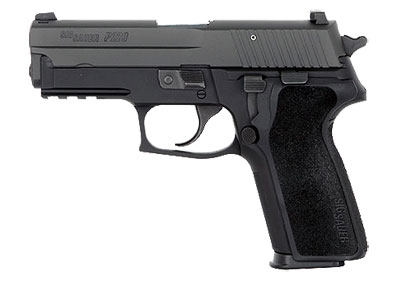
  • real prepper Go Bag that is useful practical logical and needed1 x Sig P229 pistol (.40cal S&W)
  • 2 x Sig magazine, P229, 12-round
  • 50 x 180gr XTP rounds
  • 1 x ESEE 3”
  • 1 x Blackhawk SERPA Level 2 holster, flat dark earth
  • 1 x xGalco International magazine and tactical light holster
  • 1 x LED Lenser tactical light with AAA Batteries
  • 3 x AAA batteries
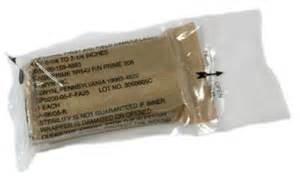
  • 1 x Dressing, First Aid, Camouflaged, 4” x 7”, Sterile : NSN# 6510-00-159-4883 – Elwyn Inc.
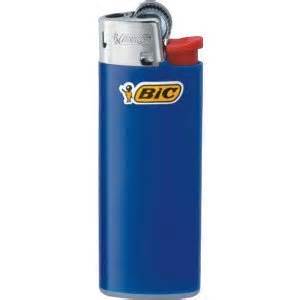
  • 1 x Bic Lighter

That’s it, nothing more; the bare necessities. Why nothing more?

Well, that can be answered a whole lot of different ways. But, the primary reasons are “low-profile” and priorities. I’ve learned over the years that your primary priority is to stay alive. And trying to carry a whole lot of stuff is not a good way to stay alive when you are being pursued. Not a good idea to be carrying a large backpack in an urban area where folks want what you have, or they just want to kill you.

Grey Man concept for survival blend in gray manWell, one way to avoid a stupid mistake being low-profile. And being low-profile means that anyone tracker you can’t distinguish you from any other folks. And that is exactly my point, being able to move about, returning home, or traveling to a survival cache, without being noticed. But if you are noticed, you must then have the ability to defend yourself with extreme violence if needed. My “go bag” gives me the ability to do that.


Contents –

So let me go through each item and explain my reasoning:

1 x Sig P229 pistol (.40cal S&W)

Sig Sauer P229 .40cal S&W for high capacity conceal carry with lots of powerThis is my primary defense weapon for this situation. Yes, I normally conceal carry when I am outside of the home. But there are rare times that I just can’t, or don’t choose to, carry. That being said, I will always have my “go-bag” in my vehicle. So why a Sig P229? Well, I am very, very partial to Sigs. They are an extremely dependable gun and they fit my hand perfectly. I like their reliability and have no problem betting my life, or my family’s safety, on them. Why a .40cal? It is a fast round, very lethal, and I can carry 50% more ammunition than my Sig 1911 Ultra Compact. I can hit 8” targets consistently at 100 yards and that round can still be fairly effective at greater distances.

2 x Sig magazines, P229, 12-round

I carry this brand and size of magazine because it is 100% compatible with my Sig P229 and 100% reliable since it is the same high-quality manufacturer. I carry one of the mags in the pistol and the other in the Galco holster. I don’t include more mags due to weight and space restrictions. I believe a single extra 12-round magazine to be entirely sufficient in this situation. I am not looking to get into a firefight. I will defend myself when the situation calls for it as I withdraw to safety and then switch in “evade” mode.

50 x 180gr XTP rounds Hornady .40cal S&W XTP 180gr

I chose this round because it is extremely efficient and lethal. It has a high velocity, can be shot long-range, and the stopping power is incredible. If you counted it, I have enough rounds for a full load of magazines and one complete reload. I don’t carry more than this due to weight and space restrictions.

1 x ESEE 3” Knife

ESEE 3 knifeKnives are a beautiful thing! Think about it for a second, you grab a high-quality knife and it just feels so good in your hand it isn’t even funny. The “feel” is hard to explain without sounding like some whack-job. But, a high-quality knife is essential when it comes to survival in an emergency or disaster. I chose an ESEE knife because they are so freaking good. I mean they are simply the best in my opinion. You may have to prepare a fire, skin a jack rabbit, or defend yourself up-close and personal. An ESEE knife will do it all and it will not break on you.

1 x Blackhawk SERPA Level 2 holster, flat dark earth

BlackHawkSerpaYou may be wondering why this exact holster for this application, and it would be a good question to ask. I don’t use a “retention” holster when I conceal carry. The reason is pretty simple, I don’t want any hindrance when trying to draw my weapon. I want to be able to draw my weapon quickly, no fumbling, and then get it on target. So why not the same for my go-bag? In normal conceal carry times I have no, or very little, active threats to worry about. In other words, I don’t feel that people will be standing in line to try and take my weapon. And if someone does try and take it, they will have to contend with a combination of Krav Maga and Kempo. During a “grid-down” or other serious situation when I am using my “go bag” to get home I see more people looking for, and willing to take, weapons from anyone they can. Society norms and morals, what little we have, will drop away quickly. In a fight, or if I am jumped, I don’t want it to be easy for a person to take my primary weapon from me.

1 x Galco International magazine and tactical light holster

Galco Mag & Light holsterNo specific reason why a Galco holster for my extra magazine and tactical light, they are good quality holsters and it fits my specific need. I use a combination holster simply because I want to go to the same place for either my spare mag or my tactical light. I have “muscle memory” through training that drives me to my “weak side” naturally for either item. Yes, I could put them in my pocket but I don’t think I can pull either out of my pocket as fast as I can get them off my belt.

1 x LED Lenser tactical light with AAA Batteries

LED Lenser Flashlight V2I am all about stealth most of the time. No, not like some “not-so-secret jet” or a Ninja warrior. But in a bad situation where I am needing my “go bag” I really don’t want a lot of people knowing I am around. This is especially true traversing an urban setting. So I don’t want to be lugging about a big four D-cell Mag light. Yeah, they’re kind of cool to club someone with, but they are heavy and very conspicuous. My little LED Lenser is very compact, easy to conceal but yet is awesome when it comes to lighting something up. I can shine that beam a 100 yards and see whatever I am looking at. Or, I can use my hand to pinch off a bunch of its light to a very small area where the light is barely noticeable. It is my “go-to” light for all tactical situations and use.

3 x AAA batteries

I have a couple of LED Lenser flashlights that have had batteries in them for a couple of years and the lights are still working just fine. But you never know when the batteries will hit that magical spot when they are done and just quit on you. When that happens I will have a spare set of batteries to get it going again.

Dressing for TBAK1 x Dressing, First Aid, Camouflaged, 4” x 7”, Sterile : NSN# 6510-00-159-4883 – Elwyn Inc.

This is my “blowout kit” (BOK). Yes, a full blown Individual First Aid Kit (IFAK) would be nice to have but it is bulky and high-profile. Remember, the whole idea/mission behind my “go bag” is to simply get me home, or some other specific destination with the minimum of gear. It is not a GOOD-BOB or even a GHB. So I am not going to worry about an IFAK at this point. I am going to avoid, evade, and conceal rather than engage. This dressing is to stop any bleeding that I expect to encounter. If the injury or wound is more serious then I go into “adapt and overcome” mode.

1 x Bic Lighter

BicLighterNo, not to smoke a cigarette or a blunt, I don’t do either. But I never know if I am going to need a fire to stay warm or purify some potential drinking water. There are also ways to use it as a weapon to defend yourself. Yeah, you gotta remember my profession to appreciate that statement. I am a wildland firefighter and retired structural firefighter. Part of what I do for a living is setting fires. So a lighter to me is a natural tool to have. Besides, it is very versatile.

So there you have it, my “go bag.” I hope you weren’t disappointed. It is small, light-weight and low-profile. But before I conclude this article let’s talk about the bag for just a second, it’s important.

What bag did I choose and why?

Remember, in this situation I want to maintain a low-profile, I don’t want to attract attention to myself. I want to be that Crowd“gray man” you’ve undoubtedly heard that term before. So I wanted something muted in color, not really visible at night, small and lightweight. And more than anything else, I didn’t want it to look “military” in any way, shape, or form. That military look would draw instant attention, and that is not what I am wanting.

So I happened to stumble upon a “Tek” pack by Camrac. It was built for carrying a SLR camera and a few extra accessories. It measures about 10” H x 8” W x 5” D. it is light-weight, no waist strap, dark blue and black in color. It weighs less than a pound by itself and is padded internally. There are several zippered fish-net interior pockets and the bag has a carry handle on top. Twin shoulder straps are more than adequate. The padding is an added bonus.

If all of the contents are in the bag and I am carrying it around you probably would even notice. It just seems too small and insignificant to be threatening…or valuable.

Now, when it comes time to put it into action:

  1. The Blackhawk and pistol go on my right hip.
  2. The Galco, light and spare mag go on my left hip.
  3. The lighter goes into my left front pants pocket.
  4. The ESEE goes horizontal in the small of my back.
  5. The dressing goes into my right front pants pocket.

That leaves the pack virtually empty. I can make the decision at that point to move the batteries and spare ammo into a pocket and discard the pack if I need to. Or I can retain the pack and use it to carry whatever I scavenge along the way.

For instance, if I was at work and the only option was my “go bag” I would take a couple bottles of water and an MRE with me inside the pack. If I was in my truck when the need arose (and I didn’t have my GHB or my vehicle kit in the truck), I would take my map and my two spare bottles of water with me in the pack.

That concludes my “go bag” list of contents and reasoning behind all of it. This is not the kind of “go bag” that you use to get out of dodge, head to the mountains, or even live out of while fighting off zombies. This bag is simply your option when the situation demands it or there is nothing else for you to use. It provides the minimal equipment and gear allowing you to defend yourself, treat a basic injury/wound and keep moving to your destination.

A couple of items that I might consider adding to the bag that you might find useful, and items that I almost put in there:

  • Map
  • Compass
  • Couple of granola bars

So why didn’t I put those items in the pack? No need for a map and compass for this mission. At this point I am in town and know my way around…or I can acquire a map. We have a mountain range that orients me north-south. As for the granola bars…I probably won’t be on the road long enough to need them. If I am, I will acquire food on the move as needed. See, I can boil it all down to the most Bad Go Bagbasic gear; I can keep it small and light.

What was the “myth” I busted?

The myth that you always need to “go big or stay home” that many preppers feel is the right way to go in virtually all circumstances.

I believe you pick and choose your gear based on the “mission” you’ve identified. If you can’t identify and clearly define the mission, then you will not be able to, and not going to, choose the correct gear and equipment.


2009 - 2019 Copyright © AHTrimble.com ~ All rights reserved
No reproduction or other use of this content 
without expressed written permission from AHTrimble.com
See Content Use Policy for more information.

TIP: WD-40 : A true miracle drug….

WD-40 usesnote: first appeared August 2015

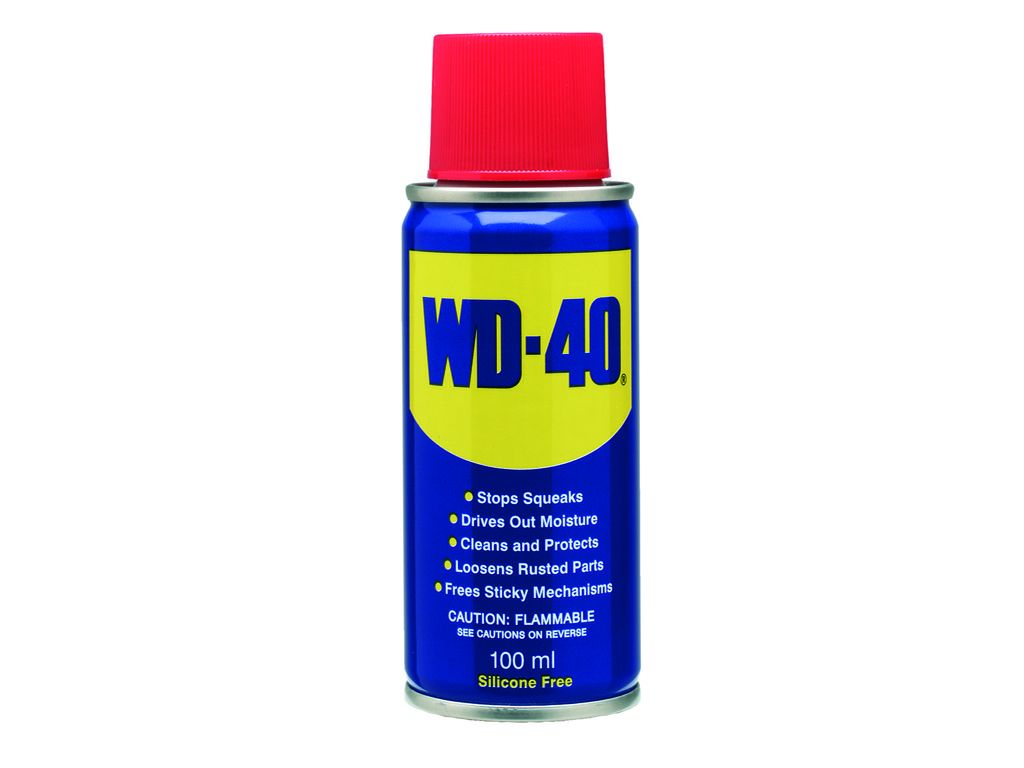
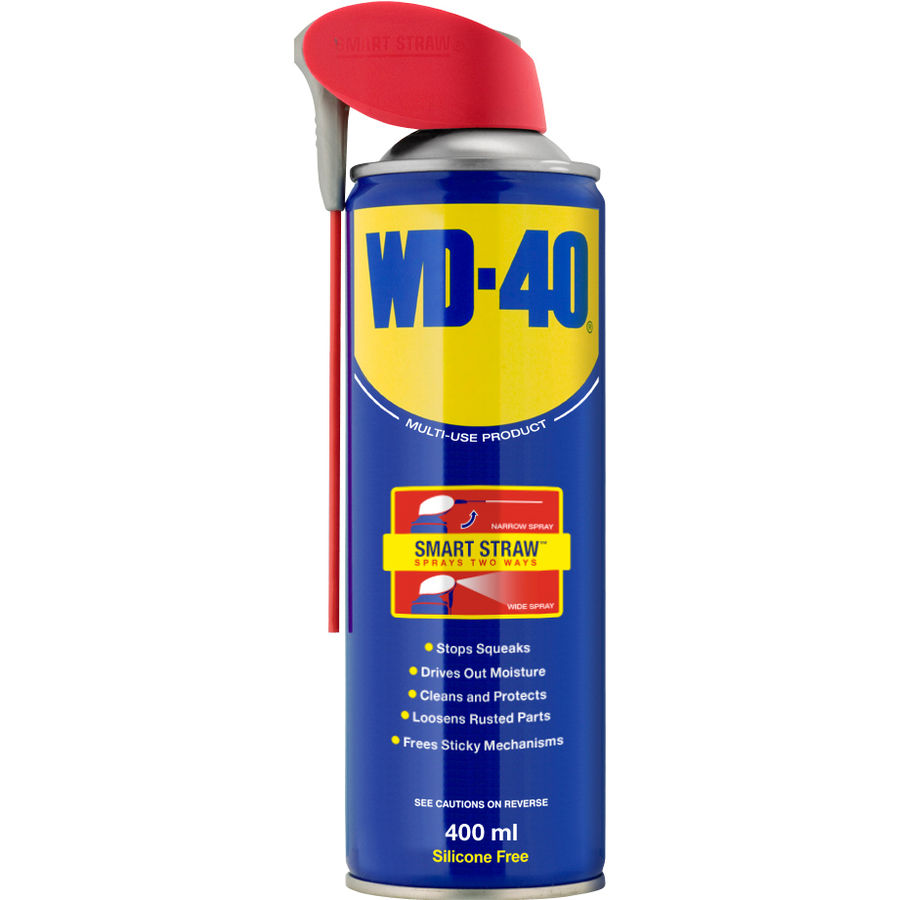
You know I really do look at WD-40 as a miracle product. It is one of those inventions that can just make life so much easier in so many different ways. And as far as I am concerned it makes any emergency, disaster or grid-down a whole lot easier to deal with. It ain’t bad for current every day life either.WD40-5


My research shows that currently WD-40 consists of:

  • 50% kerosene
  • 15% mineral oil
  • < 3% carbon dioxide
  • 22% of various ingredients that vary according to the information source, and there are lots of different sources.

Here are some of the different uses of WD-40:

  1. Helps remove stuck ring on finger. Spray some WD-40 on the offending finger. Allow it to penetrate between the ring and the flesh. Gently begin to twist the ring off the finger as if you were unscrewing it.
  2. Rust preventative. Spray a little on the metal you wish to protect. Rub it around with a soft natural fiber cloth until all surfaces are lightly coated. Alternatively you can spray a little WD-40 on a natural fiber cloth and then wipe the metal you wish to protect, such as a gun.
  3. Lubricates wood drawers. Over time the wood on wood-railed drawers will dry out. In the past I used and recommended coating them with a good bar soap like Ivory. But you can use WD-40 and it will do a good job as well. Plus is soaks into the wood better than soap and will keep your wood replenished longer protecting it.WD40-6
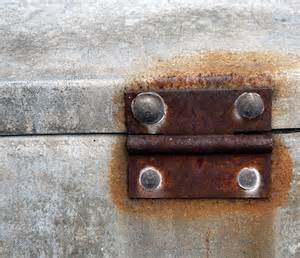
  4. Frees up and lubricates stuck hinges. Even if your hinge has been exposed to years of weather and rusted stuck, WD-40 can be used to free it up. Spray a liberal amount of WD-40 into the hinge mechanism. Make sure you have penetrated the entire length of the hinge pin. If needed, you can spray some on top of the hinge pin and allow it to run down into the hinge. That should free up your stuck hinge. Now, do that about once or twice a year and that hinge should get stuck again. In salt air environments spray that hinge every 2 – 3 months. For inside hinges, maybe once every 5 years.
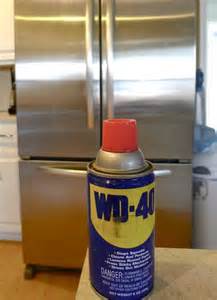
  5. Removes mildew from refrigerator and freezer gaskets. That nasty mildew that can build up on refrigerator/freezer gaskets comes off easily spraying a little WD-40 in them and then wiping off. If the mildew has been on there a long time and it has a heavy build-up, then spray on the WD-40, let it sit 15 minutes. Then spray a little more on it and use a soft bristled scrub brush.
  6. Anything sticky on glass will come off with a little WD-40 sprayed on it and a soft rag.
  7. Black scuff-marks on tile and stone will come off using a little WD-40 and a scrub brush.
  8. Remove stickers from glass with WD-40. Spray a small amount on the sticker, allow the WD-40 to penetrate, begin removal. You may need additional applications of WD-40. If you have adhesive left on the glass spray a small amount on the adhesive and wipe it away with a natural fiber cloth.
  9. To remove the tough stains in your toilet spray some WD-40 on them. Then use your regular toilette bowl brush to scrub them away. If you can get the water out of the way it will be easier and more effective.
  10. If you have tough tar or asphalt stains or sticky junk on your vehicle use a little WD-40. Spray it on a cloth and try wiping them away. If that doesn’t work then saturate the area spraying it directly on the vehicle, then wipe off. You can even try saturating a clean soft natural fiber cloth, soak it with WD-40 and place it on the tar, left over adhesive, etc. Let it sit for a bit and it should come right off. You should test WD-40 on a small out of the way part of the vehicle’s finish just to make sure there isn’t going to be a problem.WD40-7
  11. Remove glue from your fingers. If you have some glue on your fingers that just won’t come off try spraying WD-40 directly on the affected area. Wait a second or two and then start running the affect area, such as rubbing your fingers together. The glue should give way, then wipe your hands with a cloth. Once you are done with WD-40 getting the glue off you skin then wash your hands thoroughly.
  12. If you have brass zippers that are getting stuck a lot, or pretty much frozen in place you can spray a little WD-40 on the metal and give it a few minutes. The sipper should be fine now. Be careful not to get the WD-40 on the material. And it won’t fix “broken” zippers.
  13. Cleans grease and dirt off your hands. If your hands are filthy black from working on equipment then spray some WD-40 on your wands. Rub them together and watch the junk breakdown. Wipe with cloth. Repeat as needed. When your hands are clean from the bad black junk then wash your hands with soap and water.
  14. Removes decals from vehicles. Spray the decal and surrounding area liberally with WD-40. Allow the WD-40 to stand 30-seonds to several minutes. No the decal should peel away. You may need to star the peeling process, use a plastic edge to start peeling up the decal. Keep spraying with a little WD-40 as you go. If there is any decal adhesive left on the surface spray it with WD-40 and then wipe it down. When finished was the area with soap and water.
  15. Remove ink stains from carpet. Spray moderate WD-40 on the stain (you are not trying to saturate the area) and allow to sit a couple of minutes. Now use your regular carpet clearer on the stain.
  16. Removes heavy grease, or old grease, on appliances and other metal surfaces. Spray WD-40 in the area liberally, wipe clean. Multiple applications may be needed depending on how much old grease is on the surface.
  17. Removes most ink stains from clothes. Spray WD-40 directly on the ink stain, allow it to penetrate. Wash immediately as you normally would. If there is a lot of ink wash item separately to prevent “bleed over” to the other clothes.
  18. Keeps flies off livestock. Spray affected area with WD-40 and the flies will stay off. Don’t spray WD-40 around eyes. Also, you might not want them licking the WD-40 as well.WD40-8
  19. Peel Duct or Gorilla tape away and you may find a hole bunch of adhesive left behind. Spray WD-40 on the adhesive, let it stand for a couple minutes and then wipe away.
  20. Cleans and shines stainless steel.


2009 - 2019 Copyright © AHTrimble.com ~ All rights reserved
No reproduction or other use of this content 
without expressed written permission from AHTrimble.com
See Content Use Policy for more information.

Hey, I need you to keep your eyes open and watch for…….

I need you to watch for an article that will appear on September 1st. It will be the first of a series of articles that I really am excited about and think you will enjoy….or at least learn something from. Not that I am a great teacher or an oracle of truth…but the articles might get you thinking…and then learning.

Please keep your eyes open for it!

Why do I like “junk silver” so much?

Precious Metals for preppers - grid-down, emergencies and disasters - gold & silvernote: first appeared in July 2015

That was a question that was posed by a website visitor not long ago. Thank you John for asking that question, I appreciate it. John wrote that question as a “comment” on the website lately. His question was pointed and deserved more than just a casual reply. Hence, this dedicated article to the subject of “junk” silver.

Junk silver is a misleading term, although popular and used to identify a whole class of precious metals available to folks. In my opinion there is essentially three types of silver available to the average person; 1) silver bullion, 2) investment grade silver, 3) junk silver. I will give a brief description of each that is my opinion:

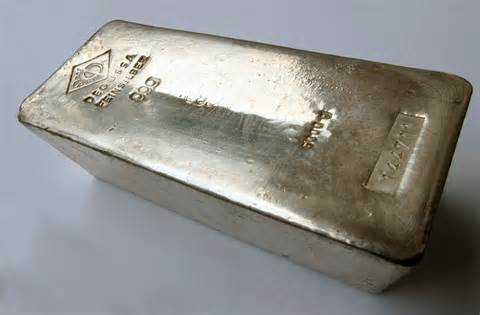
  1. silver bullion for emergencies, disasters and grid-downSilver bullion is silver that has been mined, refined and poured into some shape, usually bars. The mine or refiner will stamp into the bar the weight and the assayed purity. You can also call this type of silver “bulk silver” because of its form. The purity for silver bullion is supposed to be .999 but there is no guarantee of that beyond the reputation of the seller.
  2. Investment grade silver. These are the silver rounds available from well-known, well-respected mints with extremely good reputations. I include the government mints from the US, Canada, Australia, etc. There are some excellent private US mint walking liberty, standing liberty American eagle rounds 1oz silver bullion for emergencies, disasters and grid-downmints as well. But for the purpose of discussing “investment grade” silver I will stick with those that I know and trust. This type of silver can be used to fund an IRA. Which means that there has to be a high degree of trust and confidence in the purity and value of the silver. Most of the investment grade silver comes in the form of one ounce silver rounds. An example is the US Mint Walking Liberty coin (a.k.a. American Eagle). These are widely regarded as the number one silver round in the world in relation to investment grade silver. The US Mint also makes quarter ounce Walking Liberty rounds as well.
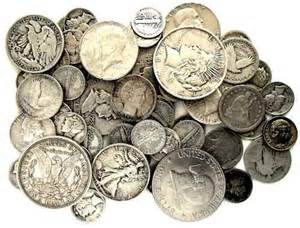
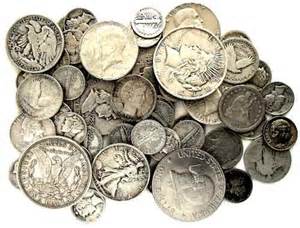
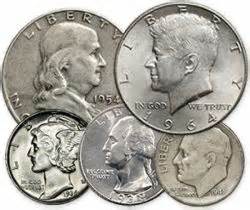
  3. Junk silver. This covers a wide range of options spanning over 100 years of US coins. As I said earlier, junk silver is a misnomer. The coins I am referring to are coins minted by the US government to 90% silver coins, US coins, junk silver for emergencies, disasters and grid-downbe used as currency. Prior to 1964 the US government actually made coins that had value to them, not just some vague fiat currency that is used today. The coins I am speaking of were made from 90% silver, the other 10% was cooper.


So let me explain what I think of each in terms of buying for emergencies, disasters and for “grid-down.” I won’t go into explaining why or how much, I already wrote an article on that called “Silver & Gold…..Really?” < click here to read the article >

First up, bullion. Don’t buy it. Yup, just that simple. In my opinion you have no idea what you are buying. How do I Silver-04know? I bought some. Remember, I don’t write about anything I haven’t done, tested and have personal experience with. I want to speak from personal experience. Back to silver bullion…

So a few years ago I bought several “bars” of silver, a couple of 30+ ounce bars and a smaller 10 ounce bar. I liked them, they looked kinda cool, not perfect, a little rustic looking. They had cool imprints on them stating the purity and exact weight in Troy ounces. I liked them.

Then I started thinking about it, how did I know that they were actually what they were represented to be. The guy I bought them from had a good reputation and I trusted him. But how did I know who he got these bars from had a good reputation? In other words, I didn’t know what I didn’t know. So I sold the silver bullion off. The guy I bought it from had a money back guarantee from me. He is totally satisfied with the deal he got, and so am I.

So bullion bottom line…I don’t feel that I would truly know what I was buying. In the worst case scenario, grid-down, I try to barter/buy with by silver bullion and it turns out to be virtually worthless. How so? Well, there was a case not long ago (2012) where gold bars had been drilled out and back-filled with tungsten. Gold and tungsten have almost identical density/weight. It supposedly fooled a number of people.

There is such a thing as silver plate. That is a process where they fuse a coating of silver over another metal. It appears to be silver, coz it is on the outside, but the inside is another, less valuable, metal. I have no idea how I would be able to tell the difference. So the bottom line for me is…I just don’t and won’t buy silver bullion. Nor would I accept it in a barter situation during grid-down.

Next up, investment grade silver. I love this stuff! Yeah, I am a little obsessive about investment grade silver, I just Silver-05love Walking Liberty rounds. They are beautiful to look at and have a certain “feel” to them that just lets you know that you are holding something of value. But beyond the feel, the Walking Liberty rounds are recognized around the world as the most trusted silver coin. So you know you have one Troy ounce of 99.9% pure silver…and that guarantee is backed by the US government. Come on…don’t snicker.

It is easy to spot these coins and if you ever held one, you can easily spot another. Yes, they could be forgeries, but would be hard to copy the quality, weight and workmanship. To me that means that you would know exactly what you have and have confidence in that fact. And I think it would be virtually impossible to create fakes once the grid fell.

Come time for grid-down and you were trying to barter one away you would know you have true value. That in turn would give you confidence in your position and give you a strong hand in the deal. If you were the one who would receive the coin you would have a high level of confidence that you were receiving a high-quality, verifiable value for the goods/services your were trading to the other person. But there is a drawback, not all is perfect with the one ounce round.

Suppose your deal didn’t come out exactly to the ounce? I mean that you were trading 1 pound of wheat for 1-1/4 ounces of silver. The person buying your wheat has US Mint Walking Liberties and you are willing to take that in trade. So you get one, one-ounce coin, but what about the 1/4 ounce?

The two of you decide to use a cold chisel to cut a round, removing ¼ of it to finish the payment. Do you get exactly a quarter of the coin?

So there is the problem…coming up with exact amounts that are less than one-ounce increments. But, don’t worry Silver-06there are some solutions to that as well. There is also “quarters” and they are exactly what they sound like, ¼ ounce versions of the Walking Liberty one-ounce coin. They are not made by the US Mint. They are made by the Highland mint and recognized just as highly as their larger 1oz cousin.

A very astute trader during grid-down might know that the US Mint didn’t produce the quarter ounce coin but they will still know it is just as reputable. Now you have the ability to get your purchase/barter to within 1/4oz of silver. If you are wanting to get even closer…there is a solution for that as well.

Finally, junk silver. I kind of like the term “junk silver” but the term is misapplied. There is nothing junk about silver. Silver-07But, I don’t control the English language, I don’t even speak/write it so well, so I just go with the flow. As I was saying earlier, prior to 1964 US coins had a high silver content, 90% more or less. And that gave the coins themselves actual meaningful value. When the value of the silver outpaced the coin’s currency value, the government began to lower the value of the silver. Eventually the government eliminated all of the silver from the coin. They just hated the idea that United States currency actually had value in and of itself. Besides, they realized they could mint a 1oz, $1silver coin and sell it for 50 times what its currency value was.

So what about all those 90% silver coins that are still out there? Well, they are still out there for the most part. And they are valuable.. Now, remember they aren’t .999 pure silver like the invest grade silver I was talking about earlier. The junk silver coins are .900 pure silver, the rest is copper. And since the silver content is lower, the value is lower. Here is a chart of how much silver each coin contains –

Silver Dollar  (pre-1936)                   : .77 – .78 (troy ounces)
Silver Half-Dollar (1964 and earlier) : .3617 (troy ounces)
Silver Quarter   (1964 and earlier)   : .1808 (troy ounces)
Silver Dime (1964 and earlier)         : .0723  (troy ounces)

But, it is still silver!! You, as John did, might ask, “Why buy ‘junk silver’ when you can buy good silver?”

Valid question and there are a couple of reasons:

  1. Junk silver coins are already broken down in dollar, half-dollar, quarter and dime denominations. That makes it really easy to identify sub-1oz amounts. When the value of your trade/barter/deal needs a specific value in silver, using coins (junk silver) makes it easy to identify that exact amount. I can imagine that post-apocalypse folks identifying values in “silver dimes” as a standard valuation.
  2. Investment grade silver usually carries a hefty premium over the spot price of silver. However, junk silver coins can be bought below spot if you are watchful. What I am referring to is eBay. Search for eBay auctions that are for junk silver coins. Look for two kinds of auctions; 1) auctions that end at weird times like 2am on a Weds, 2) odd combinations of coins like 2 quarters, 10 dimes and a half-dollar. These auctions are often time passed over by the folks trying to scoop up larger quantities and who are a little more professional in their approach to buying silver. The “odd time” eliminates a lot of the folks that want to bid right at the end to avoid driving the price up. And that should be a great hint for you as well; wait until the very last couple of seconds before submitting your bid. That avoids running up the bids. But make sure you submit your “maximum” amount the first time. eBay will only run it up to your maximum but also, only enough to win the auction. So you might get it well below your maximum bid. I would go with spot price as my maximum bid.

So there you have my case for buying junk silver. Now, remember that I have also bought investment grade silver as well. I think there is a time and place for each. The investment grade stuff is for protecting my retirement. It is the hedge against inflation or the dollar getting ruined. Yes, it will be very useful during grid-down and I explain all of that in the article “Silver & Gold…..Really?”

I hope that answers your questions and explains my philosophy on junk silver.

One interesting little side-note: if you look at silver dimes they are supposed to have a serrated edge to them. There was a time that some folks would scrape the serrated edges off the dimes and collect the silver from those scrapings. And then continue to spend the dime when they were used as coinage. In today’s world I think there are some folks who still think they can get away with it. So when buying silver coins look closely at the edges to make sure they are intact and no one is trying to sell you a less than full-weight, intact coin.


2009 - 2019 Copyright © AHTrimble.com ~ All rights reserved
No reproduction or other use of this content 
without expressed written permission from AHTrimble.com
See Content Use Policy for more information.

TIP: Learn skills!

Learn survival skills

note: first appeared in 2014

When you lose or break your gear, or have it taken away, your skills will still save the day and maybe your life.

Gear is great to have around. Really great gear is really great to have around to help you. But what do you do if you have no gear?

You must learn to depend on and trust your skills. If you don’t have any serious prepper skills then acquire the skills necessary to become a good prepper.

Skills are something that cannot be taken away from you. But, when you give them away so others can learn, then everyone benefits.


2009 - 2019 Copyright © AHTrimble.com ~ All rights reserved
No reproduction or other use of this content 
without expressed written permission from AHTrimble.com
See Content Use Policy for more information.

Power, Politicians, Crushing People…and “Prepping” – Part 2

money and power go to the government at the expense of the peoplenote: this article originally appeared in March, 2015, edited July 2019

This is Part #2 of a two part series of posts about money & power, how it affects us now and, more importantly, how it will affect us in the future. And then the absolute most important part of this series, how “prepping” can mitigate the affects of “money & power” used against us.

In Part #1 (appeared 2 days ago on the 27th) I reviewed the last seven decades and how we slipped into bondage with the government as our master. I also showed how each President since Kennedy affected out country and who the real power was/is behind the curtain. I made it clear that
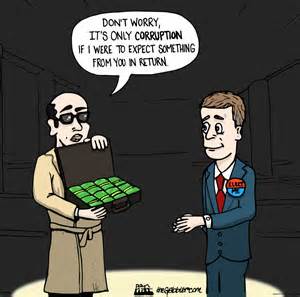
With money you can buy power (political power)

With money you can buy power.
With power you can acquire money.

“money & power” is the control of this country and how it has eliminated virtually all of our now extinct rights, freedoms and liberties over time.

Lets move on to the next installment of “money and power” – the relationship between the two is interesting.

The Ruling Class (our government, all layers of government) want virtually all of both money & power, leaving just enough to allow us to survive. Even giving us the allusion of thriving. Yes, that sounds diabolical and extremely conspiratorial. But I challenge you this, prove me wrong! Show me the actions of government at any level in the United States that isn’t sucking power away from individuals and taking it unto itself. Better yet, show me a single instance where the Executive or Legislative branches of the federal government is truly reinforcing an individual’s rights or liberties in any meaningful way!

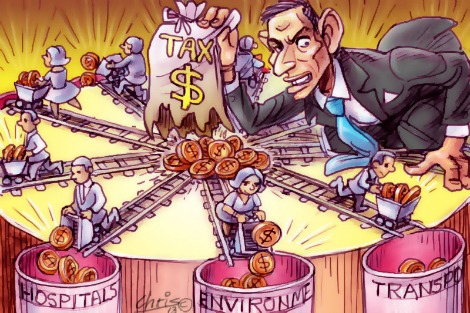
In America today, the only people that will benefit from any government action do so at a price that others pay. So what little government gives back to one group of people (usually money) belongs to another people group of people, NOT the government. The government in America today, at all levels, only takes power, it never gives power. Why?

Because, “Power cannot be created or destroyed, it can only be moved from owner to another.”Government transfers wealth from those that earned it to those that don't deserve it.

Government cannot create power, but it can take power or move power from one group of people but only at the expense of that group. But even the ability of transferring power is against God-given natural rights. In America, government have always seized power and authority from the people, or bought it. It doesn’t give power back to its owners…the people.

Remember the saying you probably heard at some point in your life, “money is the root of all evil” or some variation of it? The truth is, the statement is far more accurate than most would think. But to me it is only half right. The half that is missing is “power.” So changing the saying slightly, “Power and money is the root of all evil!” now becomes absolutely true, yes?

Well, not really. Yeah, it sounded as if I was leading you down that path to say “yes”, but I am not done with that concept of money and power just yet. To continue to refine the saying I would have to ask, “can money and power be good, or at least can it be used for good?” I think anyone who has any intelligence would have to say “yes” to that question. So “money & power” by itself is not evil. However, how that money and power is used makes the outcome evil or good.

Yes, I make a clear distinction between good and evil. For me, anything that goes against God’s plan for us as individuals is evil. Conversely, anything that supports God’s plan for us is good.

Let us test that…

We know that God gave man agency, the right to choose what we do. Granted, there are consequences to doing evil (i.e. murder) but God does not force us to not murder. However, He teaches us the principle that it is wrong. And therein is the difference – “force.” When we are compelled into doing something we lose our agency. When we are free to choose, we enjoy or suffer the consequences of those decisions that comes from exercising our agency. Example: If we drive recklessly and cause harm or damage we should be held accountable for those actions based on the choice that we made top drive recklessly. Hence, we cause damage or harm we compensate those that were harmed by our actions/choices. However, if we drive recklessly and cause no damage or harm to anyone, what difference does it make to anyone?

Traffic statutes today are long, complicated and tedious. They are designed to compel us into certain types of behavior. The authorities use these statutes to control our behavior (i.e. reduce the ability to choose) regardless of any harm or damage actually being done to someone. Statistics would make a plea that traffic laws prevent accidents, thus saving lives and reducing property damage. This argument is completely and utterly false. If their primary concern was saving lives and reducing property damage they would prosecute drunk drivers to the fullest extent of the law. Or, they would advocate for the total elimination of cars since they represent and average 50,000 deaths per year in America.

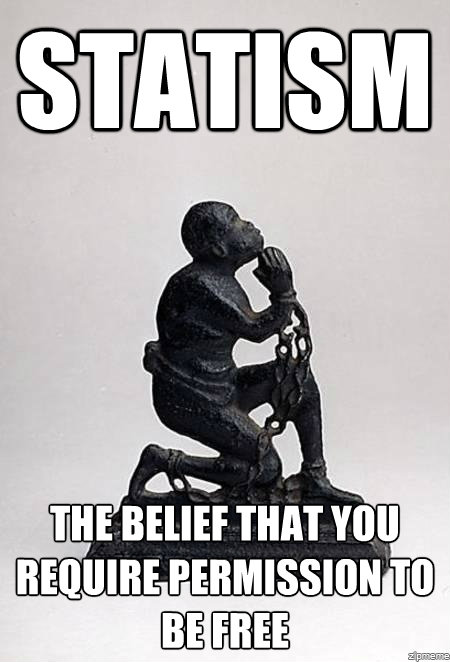
Notice statists (those people who love government and use it to control people) will create statute after DUI Checkpoint Police State money makerstature to control behavior but are extremely lax in holding people accountable for their actions. And here is just one example of how that is done – there are large numbers of laws on the books to control people and their driving habits. There are even mandated DUI checkpoints wherein people are subjected to questioning, DUI Checkpoint - anti-constitutional bill or rights breaking police state toolsearches and mandatory sobriety testing; all without “probable cause” required by the Constitution. These mandatory checks even include forced blood draws as you are restrained, should you object to the field sobriety test.
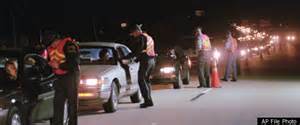
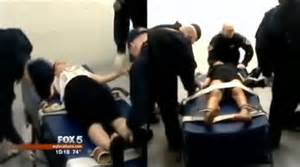
But how many times have you heard one convicted drunk driver after another let off with a light, or no, sentence who then drinks and drives again killing someone? Exactly! There are plenty of “behavior control” laws but weak “enforcement” laws. Why is that do you think?

To answer that question we will subject the scenario mentioned above to the “money & power” test. We will take the easiest test first – power. When our DUI checkpoint police state tool to violate a persons rightsnon-harmful activity is controlled by the government does power move to the individual person, or is it taken from the person?
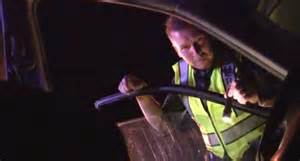
Example: A DUI checkpoint – without due process of law a large number of people are stopped against their will. They are questioned by law enforcement officers and often forced to submit to a variety of sobriety tests, including the potential for an invasive blood draw. So which way does the “power” flow? To the person…or to the government?

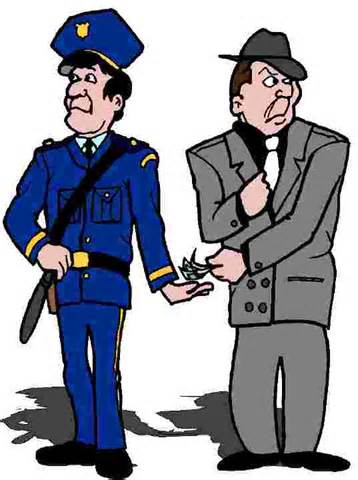
Let’s now touch on the money aspect. If a person is stopped for DUI what happens? Regardless of anything else, they are fined. And that money goes to a government entity. If the defendant seeks legal defense then money flows to lawyers. Regardless of the outcome of the case the legal system gains monetarily from the alleged DUI infraction.

Then with a DUI conviction on his drivers record insurance companies charge more for car insurance. And who issues business licenses to insurance companies? Correct, government agencies charge insurance companies for the right to conduct business in their states as well as charging a variety of other taxes including, in many cases, corporate income tax.Overtime Pay is the motivation for LEOs at DUI checkpoints

And interestingly enough…DUI is seldom discovered at DUI checkpoints; normally, it is expired insurance cards, expired drivers license, or out of date vehicle registration. All of which take money from the individual push it into the government bank accounts.

And finally, why are law enforcement offices so supportive of DUI checkpoints? Overtime Pay! Yup, money.

Federal government bribes cops to follow orders.And where does the money come from to pay that overtime to individual officers? The federal government.

The federal government sends billions and billions of dollars per year to local police departments. And why do you think they do that? In the old days they would call it what?

So regardless of any damage or harm done by the driver, power and money flow directly and indirectly from the individual to the government or government employees.

Apply that same test to every aspect of government intrusion in our lives. And I mean every single aspect. Now, be ready to answer a simple question.

Here’s the question –

Are you OK with this kind government action, taking of money and power from the individual by the government in every aspect of our lives?

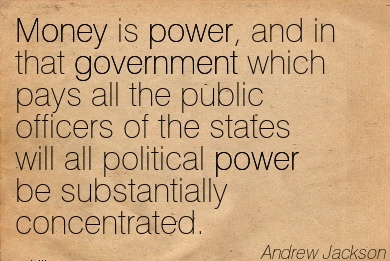
President Andrew Jackson money and power concentrated in government.

Remember, power is neither created or destroyed. Power exists in only one spot at a time; either it rests with an individual or it rests with the government. And the individual must freely give it up; or, conversely, a government entity must take by force the power from the individual.

Let’s make the test even simpler. Do you trust individuals more than the government? Or, do you trust the government more than individuals? Who is easier to deal with in a dispute, an individual or a massive bureaucratic government?

So you really want to know what this has to do with “prepping” and such?

Well, it goes first to “mind set”; the mental capacity to understand what you are up against as your prepare for emergencies, disasters, or grid-down.Support Bill of Rights Second 2nd Amendment to the Constitution for gun ownership
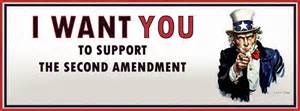
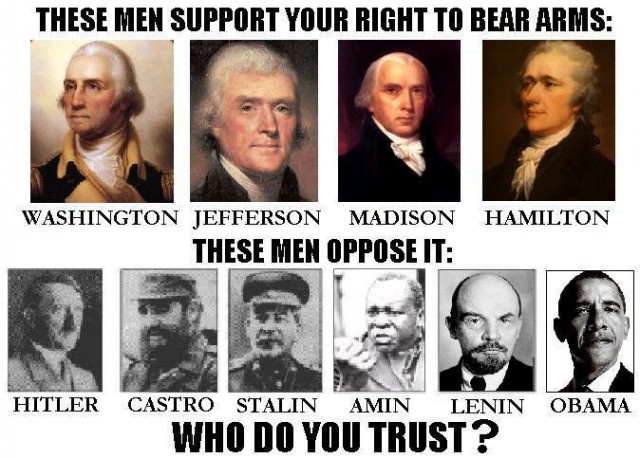
Let me really test your “statist quotient“. Do you support the Second Amendment in the Bill of Rights? Do you?

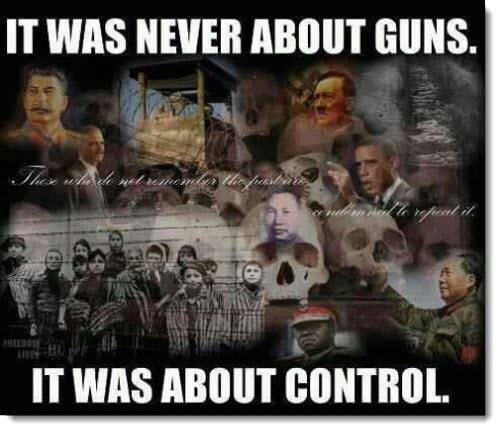
OK, great! Please answer the following questions:gun control violates the Bill of Rights and loved by statists
  1. Federal regulations controlling civilians owning automatic weapons are appropriate?
  2. Federal law prohibiting convicted felons from owning guns is the right thing?
  3. Federal law prohibiting guns being sold online or shipped in the mail make perfect sense?
  4. Federal law requiring the 4473 form to be completed and FBI background checks just makes sense?
  5. Federal law preventing kids under the age of 18 from buying guns is needed for public safety reasons?
  6. Banning of ‘bumpstocks” or “slide fire” accessories is OK with me?

Well…the Second Amendment to the Constitution contained in the Bill of Rights states,

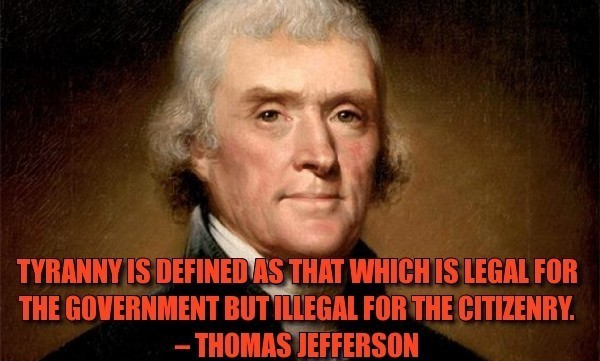
“…the right of the people to keep and bear arms shall not be infringed.”

If you answered “yes” to or agreed with, any of the six questions above then you do NOT support the Constitution and you Statists support big government and no individual rights or freedoms.are a statist.

Yeah, you may not like it, but you are. Yes, you can argue it and debate it all you want, but the wording in the Second Amendment of the Bill of Rights is clear, perfectly clear. And you either support it or you don’t.

As soon as you start coming up with reasons to restrict gun ownership or gun purchasing then you become a big-government statist.

So why are there gun laws?  Apply the “money & power” test to it.

The federal government makes huge money off regulating guns. They do so through the BATF via gun dealers. If you want to own an automatic weapon, you have to pay a huge fee to the government for them to give you that privilege. So the “money” test clearly shows that money flows from the individual to the government.

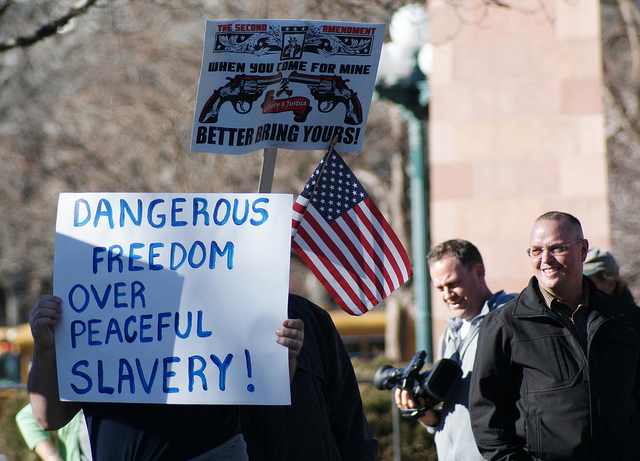
sometimes freedom is dangerous, but it is always preferable to safe slavery

Freedom or “safe” slavery?

Now test the “power” aspect. Does the individual currently have the power to do as they wish within Constitutional rights? “No” is the only answer to that question.

Let’s take felons first since they are prohibited by federal law from owning a gun. Why? The Second Amendment makes NO exception to prohibit felons owning guns. So some politician decided to take that power from felons.

Can a minor buy a gun or does federal law prohibit that? Answer – minors can not buy a gun based on federal law because some politician decided to take that power away from individuals.

Can the federal government deny a person the right to buy a gun?

Yes. Through the 4473 form the federal government can prevent a person from purchasing for virtually any reason, including a simple mistake on the form itself. So does power flow from the government to an individual or has the government seized power from the individual?

And why does the statist, via the government, want this particular power, gun ownership, to move away from the people, and to the government?  Our Founding Fathers addressed that subject:

Statism wants you to believe you to have permission to be free.Thomas Jefferson said – “The strongest reason for the people to retain the right to keep and bear arms is, as a last resort, to protect themselves against tyranny in government.”

George Washington said – “A free people ought not only to be armed but disciplined…”

George Mason said – “To disarm the people is the most effectual way to enslave them.”

Noah Webster – “Before a standing army can rule, the people must be disarmed, as they are in almost every country in Europe. The supreme power in America cannot enforce unjust laws by the sword; because the whole body of the people are armed, and constitute a force superior to any band of regular troops.”

Elbridge Gerry  – “What, Sir, is the use of a militia? It is to prevent the establishment of a standing army, the bane of liberty …. Whenever Governments mean to invade the rights and liberties of the people, they always attempt to destroy the militia, in order to raise an army upon their ruins.”

And why do you think they said those things?

Because they were all too familiar with the face of tyranny and its evil and its destructive power. Tyranny is not bottom-up…it is top-down from government against the people. Our Founding Fathers recognized the tyranny under British rule, opposed it, fought against it, some died fighting it, and they won freedom from it. They had no desire to allow tyranny to reign ever again in America.

That my friends is why the federal government promotes gun control, when they own the ballot box, there is only one last option to throw tyranny out. Now you understand why Progressives are such huge proponents of gun control, to preserve and promote power flowing to the government not to the individual. And Conservatives rarely object to those restrictions of gun ownership not being infringed.

Liberals, democrats. progressives, statists, communists, socialists support gun control and restrictions.Have I answered the “prepper” relationship question yet?

Let try this on you – applying it to any scenario where “preps” are needed, which way will the power be flowing?

Remember the terms “state of emergency”, “curfew”, “checkpoints”, “mandatory evacuations” to name just a few? Who loses power in these cases and who gains power?

Then there is the ultimate transfer of power, “martial law.” In this case, all power is moved to the government and the individual loses all their power, rights and liberties for as long as the government deems appropriate. And what is the outcome every time? Show me an example where the federal government seizes power, deprives rights and liberties to its citizens, and it turns out well.  And how do they control people under such a power grab?

They do it with a carrot and a stick. They promise food, hand out debit cards, open emergency shelters and pass FEMA teamout water. At what cost? You must do exactly as they say.
Do you want to depend on FEMA to take care of your family in times of need? The same government style bureaucrats that run the IRS?

Do you want that for you and your family when an emergency or disaster strikes? Or would you rather be self-sufficient? Or better yet, able to help out family, friends and community? You can only do that if you retain “power” within your situation. And you do that by NOT being dependent on what the government is offering.

The more power you retain to yourself, the ability to take care of you and your family, the less control the government has over you. And ask the people who were ever under total control of, at the mercy of, the federal government during any emergency or disaster. Ask them how did they do? How did it work out for them? Would they have avoided it if they could have?
FEMA disaster during Katrina

How did that worked out with FEMA during Katrina?

Now, let’s take the ultimate “grid-down” scenario; do you want to trust and to rely on the government to take care of your family? Would the government even have the capacity to do so?

Actually, let me ask a more fundamental question; what actions would the federal government take in the event of a “hard” grid-down? What policies would they implement?

Having a problem answering that question? Really? I doubt it.

Can you use the “power & money” test today in everyday life? Sure! Use it to test all things political, or anything related to the government. Simply look at who benefits in relation to the flow of money and the flow of power. Therein you will see who is the loser and who is the winner.
Net Neutrality is government police state control and lose of freedom for the individualExample: Net Neutrality.

Money: Through Net Neutrality the federal government is able, through the FCC, to charge any fee or tax to any aspect of the Internet industry just like they do phone and cable bills. Get out your cell phone bill and look at the extra charges on your bill levied by the government. So in the case of Net Neutrality the money flows from the individual and businesses to the federal government.

Power: Through Net Neutrality the federal government is able, through the FCC, to control and dictate to any Internet related company whatever policies they, the FCC, deems appropriate. The same is true for TV, radio, cable, and Ham licensing. They can control access, content, speed, and every other aspect now enjoyed by the individual person.

In the case of Net Neutrality both power and money flow from the individual to the government resulting in a huge loss of freedom, rights, and liberty for the individual. The government took control, again

As you prepare for emergencies, disasters and “grid-down” think about the way those scenarios might play out. Prepare yourself mentally on how to deal with it by understanding principles.

To better understand today’s political environment simply apply the “money & power” test against any law, policy, proposal, rule, or speech. Where does the money go?  Who gains the power? Answer those two questions and you will know the difference between good and evil.

money and power used by the federal government creates tyranny at the loss of rights and freedom.

money and power used by the federal government creates tyranny at the loss of rights and freedom. money and power used by the federal government creates tyranny at the loss of rights and freedom. money and power used by the federal government creates tyranny at the loss of rights and freedom.


2009 - 2019 Copyright © AHTrimble.com ~ All rights reserved
No reproduction or other use of this content 
without expressed written permission from AHTrimble.com
See Content Use Policy for more information.